-

Daily Care Management and Pest and Disease Control Methods for Tamarisk Bonsai
Tamarisk Bonsai Care and Management Knowledge Introduction Fertilizing: Tamarisk loves fertilizer. Except in winter and the plum rain season, apply thoroughly decomposed cake fertilizer water two to three times a month, or use oil meal alone. Pruning: Tamarisk is extremely tolerant of pruning. During the growing season, when new buds unfold, the unnecessary parts and excess buds must be removed. During July and August
-
How to grow a sago palm bonsai? Detailed care techniques and management methods
The sago palm is a tree species that greatly loves sunlight; the more sunlight it gets, the more robust its growth. The following are conventional care methods for the sago palm, for reference. Watering: during the spring and summer growing season, the pot soil should be kept moist, but not waterlogged. In the heat of midsummer, spray water on the leaves frequently to keep the foliage fresh and green. In winter, the pot soil should be kept appropriately on the dry side
-
How to grow a lilac bonsai? A detailed guide to care and management methods
Lilac (Syringa oblata) is an early-spring flowering deciduous shrub of the genus Syringa in the family Oleaceae. It is drought-tolerant and cold-hardy, likes sunlight and also tolerates partial shade, and is very widely cultivated in North China, Northeast China and Northwest China. In recent years it has increasingly been moved into pots for cultivation and enjoyment
-
Care and Management Methods for Japanese Maple Bonsai
Bonsai care and management of Japanese maple - Placement: Japanese maple is best placed in a spot with good ventilation and light, warm and humid. In summer, it should be properly shaded to prevent exposure to scorching sun. However, for those whose leaves turn red in autumn, ample light is needed so they can turn red when autumn arrives. In winter, simply move it indoors to prevent the pot soil from drying out and freezing.
-
Detailed Explanation of the Production Techniques and Management Methods for Portulacaria afra Bonsai
Portulacaria afra, also known as the jade tree, golden branch jade leaf, purslane tree, or ginkgo wood, is a perennial evergreen succulent shrub of the genus Portulacaria in the family Portulacaceae. Its stems are succulent, ranging from purplish-brown to light brown, with nearly horizontal branching. New branches turn purplish-red under conditions of ample sunlight, but remain green if light is insufficient. The succulent leaves are obovate, decussately opposite
-
Sago Palm Bonsai Care and Management Techniques and Methods Explained
The sago palm is a tree species that greatly loves sunlight; the more sunlight it gets, the more robust its growth. Below are the routine care methods for sago palm, for reference. Sago Palm Bonsai Care and Management (1) Watering During the spring and summer growing season, the pot soil should be kept moist, but waterlogging must be avoided. In the high heat of midsummer, the foliage should be sprayed with water frequently to keep the leaves bright green.
-
Japanese Maple Bonsai: Detailed Guide to Creation Methods and Care Management
(I) Botanical Knowledge: Belongs to the family Aceraceae, genus Acer. Deciduous small tree or shrub-like, branches slender and smooth, first-year twigs brownish-red. Simple leaves opposite, palmately 7-9 deeply lobed, lobe margins with double serrations, young leaves greenish, turning red in autumn, brilliant as morning glow. Small purplish-red flowers form corymbose inflorescences, blooming in April
-

What are the key management points for chives during the summer high-temperature period
Key management points for chives during the summer high-temperature period
-
Key Knowledge Points for Summer Care and Management of Cyclamen
How to help cyclamen survive the summer safely. 1. Shading and rain protection: From mid-April to early May, cyclamen enters the shade-framework care stage. Set up the shade framework, using 60-65% shade netting for shading. Under the shade framework, build small hoop houses, 2-2.5 m wide and 1 m high, with the length depending on the quantity. Place plastic film along the sides of the house, cover it with the film on rainy days, and uncover it when the rain stops.
-
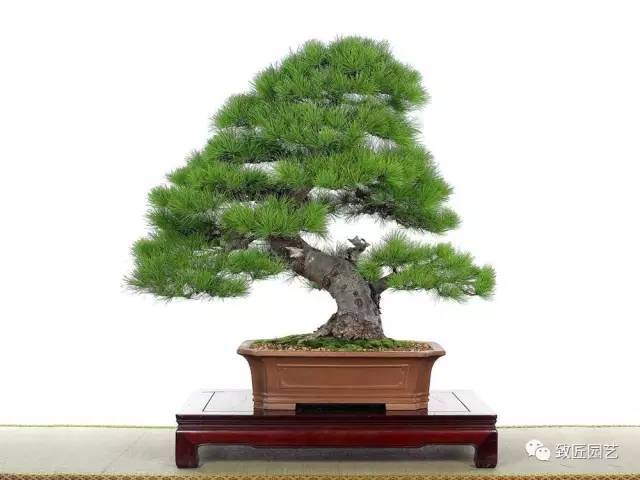
A Detailed Guide to Year-Round Management Methods for Pine Bonsai
In January, the tree is completely dormant, which makes it the best viewing period. You can carry out wiring and shaping, branch thinning and needle plucking, and any leaf removal not completed the previous year should be finished at this time. Except in extremely cold regions, it can overwinter outdoors; if conditions allow, move it into an air-conditioned room. Because the winter monsoon easily dries out the potting soil, be sure to pay attention to watering.
条件筛选