-

Six key management practices to focus on after transplanting spring eggplant in a large arch shed
I. Temperature control For spring eggplant cultivated in a large arch shed, from transplanting until the seedlings recover, the shed should be kept closed to retain heat, keeping the temperature inside the shed at 28°C-30°C during the day and 15°C-20°C at night as much as possible. After the seedlings recover, attention should be paid to ventilation, keeping the shed temperature at 23°C-25°C during the day, generally not exceeding 33°C. II. Fertilizer and water management Under conditions of good soil moisture, water as little as possible before the first eggplant reaches the size of a walnut, to raise soil temperature and prevent flower and fruit drop. When the first eggplant reaches the size of a chicken egg, apply 10 kg of urea per 667 sq m along with watering. After that, appropriately increase the frequency of watering according to soil moisture.
-
Lotus Root Cultivation Techniques and Management Methods
1. Site selection, land preparation and basal fertilizer application. The lotus field should be a clay loam plot with good water retention, good conditions for raising and lowering the water level, and high organic matter content. Along with plowing, apply 2000-3000 jin of organic fertilizer and 30 jin of compound fertilizer per mu. The plowing depth should not exceed 20 cm. Prepare the land so that the mud is soft, the field is level, and there is sufficient fertilizer. 2. Planting. Mid-to-late April each year is the best local planting period; protected cultivation in greenhouses can be advanced to early April. The seed rate per mu is 400-500 jin, with a plant spacing of 0.7*1.5 m. When planting, insert the seed lotus sprout tip diagonally into the soil to a depth of
-
Cultivation Techniques and Management Methods for Korean Pepper
I. Seedling Raising 1. Seed Treatment Soak Korean pepper seeds in warm water at 55°C for 12h, remove them, then dress the seeds with 50% Tuzet wettable powder, mix evenly, and set aside for later use. 2. Seedbed Preparation Drive some supports in the middle of the greenhouse, place the seedling trays filled with seedling soil on the supports, and prepare for sowing. In mid-March, sow the dressed Korean pepper seeds evenly in the seedling trays, water thoroughly, and cover with topsoil. 3. Pricking Out After the seedlings emerge completely, strengthen temperature and water management to cultivate strong seedlings. From April 10 to 15, the Korean pepper
-
How to prevent short, thin, and hollow scallion white? Management must not be relaxed next year
Scallions (Welsh onions) are one of the indispensable vegetable varieties on people's dining tables. In consumers' eyes, scallions with long, thick, and not easily hollow scallion white are truly good scallions. 1. Reasons why scallion white is short, thin, and prone to hollowing. 1. Variety type. Scallions are divided into two types: long-white and short-white. The length of the scallion white is related to the variety, so long-white varieties should be used in production. 2. Soil quality and cultivation conditions. The selected plot has heavy clay soil, shallow and coarse plowing, and untimely intertillage and hilling during the growing period, causing soil compaction below the roots.
-
Three defenses to do well in winter fish farming management
In winter, the water temperature is low and there is little light, so there is less phytoplankton in the pond water of fish ponds and the oxygen-producing capacity is poor. Because fish feed and move less, their constitution is relatively weak, which has a great impact on safe overwintering and growth. To ensure the safety and growth of fish in winter, the water quality regulation and management of fish ponds in winter should focus on three defenses. Guard against shallow water. Some fish farmers believe that shallow pond water in winter is good for fish, but in fact this is a misunderstanding. In winter, when the pond water level is shallow, the water temperature changes quickly and the temperature difference is large, which will cause freeze damage to fish and is extremely unfavorable to their overwintering and growth. Winter fish ponds
-
Feeding and Management Tips for Young Sheep During the Growing Period
Growing sheep refers to young sheep in the age range from weaning to first mating. For 3-4 months after weaning, growth and development are rapid, weight gain is intense, and the demand for feeding conditions is high. After 8 months of age, the intensity of sheep growth and development gradually declines. Key feeding and management points for the early growing period: During this period, especially for newly weaned lambs, growth and development are rapid, the rumen volume is limited and its function is not yet fully developed, and the ability to utilize roughage is relatively poor. Therefore, during this period the sheep's diet should be based mainly on concentrate and can be supplemented with high-quality hay and fresh green
-
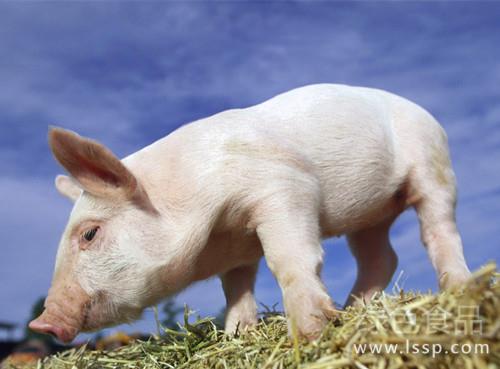
Improper management of piglets born in winter can easily lead to death; how to keep them alive
Cold winter, improper management makes piglets prone to death, how to keep winter-born piglets alive
-
Do a good job of cotton management in July and August for a more secure bumper harvest
I. The importance of battling through July and August. The flowering and boll-setting stage is the longest stage in cotton's growth period and the time when natural resources such as light, heat and water are most abundant, which is very favorable for cotton growth and development. However, this period also has its unfavorable side: not only are natural disasters such as wind, hail, drought and waterlogging frequent, but pests and diseases also occur and cause serious damage. As the farming proverb says, "Cotton is a weed in the dog days; good can turn bad, and bad can turn good." Therefore, this period is the key period for securing a bumper cotton harvest, especially this year, when the cotton growth process is delayed by 7-10 days compared with previous years, and the seedling condition
-
How to manage cotton after rain? Strengthening management by category is key
In view of the current complex state of cotton seedling growth, in order to promote balanced growth and enhance staying power, corresponding measures should be taken with guidance by category, management should be strengthened, and efforts should be made to fight disasters and secure a bumper harvest. 1. Seize the season and quickly supplement fertilizer. Applying topdressing quickly is the main contradiction in cotton management, but it must be implemented by category. For cotton that has already flowered and set bolls, apply flower-and-boll fertilizer heavily, with 15 kg of compound fertilizer, 10 kg of urea, and 15 kg of potash fertilizer per mu; for cotton entering the full bud stage, apply 2000-2500 kg of decomposed organic fertilizer per mu, or biological organic
-
Poor cotton growth, management must keep up in the middle and late stages this year
Since the beginning of this year, our province has experienced prolonged overcast and rainy weather with scant sunshine, severe occurrence of seedling diseases, and cotton growth generally poorer than in previous years. At present, cotton has entered a critical period of growth, so we must make full use of the current characteristics of higher temperatures and rapid cotton growth to do a good job in cotton field management. Management in the middle and late stages of cotton should focus on the following aspects: 1. Early stubble clearing, early management. Stubble clearing and intertillage can not only provide a good environment for cotton seedling growth and development, but also eliminate cotton bollworm pupae. Once cotton seedlings enter the field, the word "management" must be put first, and all localities should suit measures to the seedlings and carry out classified management. Category 1 cotton seedlings grow
条件筛选