-
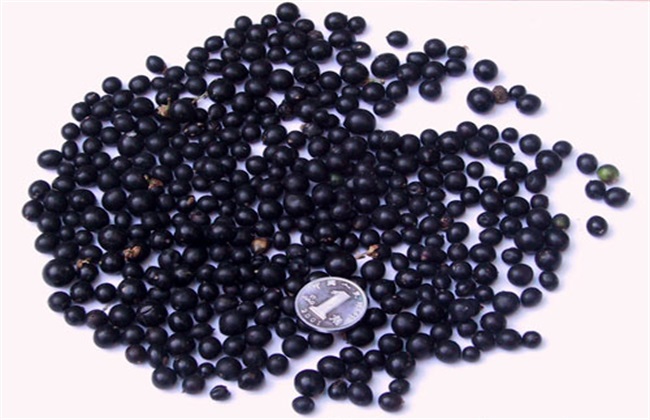
How much does Ophiopogon japonicus seed cost per jin? A detailed look at the market
How much does Ophiopogon japonicus seed cost per jin
-

What does Common Selfheal look like? Planting methods and timing, is the fresh plant toxic?
How should Common Selfheal be planted?
-
What does Polygonatum look like? A detailed introduction to the morphological characteristics of Polygonatum
Polygonatum is a perennial herb. The rhizome is horizontal, fleshy, and pale yellow, sometimes with a protruding tip resembling a chicken's head. The stem is erect, 50-90 cm tall. The leaves are whorled, 4-6 per whorl, linear-lanceolate, 8-15 cm long and 04-1.6 cm wide, with curled tips. The flowers are axillary, usually in 2-4 small flowers, drooping, with the peduncle 1-2 cm long; the perianth is tubular, white to pale yellow, 0.9-1.2 cm long, with 6 shallow lobes at the tip, 6 stamens, the filaments relatively short, 0.5-1 mm long, and the style length
-
Gastrodia cultivation prospects look promising, experts say so
According to Associate Professor Wang Kangcai from the Chinese Medicinal Materials Research Laboratory of the College of Horticulture at Nanjing Agricultural University, Gastrodia elata is a precious Chinese medicinal herb. Due to a large gap between market supply and demand, Gastrodia cultivation is particularly booming. Based on current market conditions, the price of dried Gastrodia is 150-200 yuan per kg, with a profit of about 200 yuan per sq m, and the prospects for Gastrodia cultivation look promising. Gastrodia growth does not require light, only suitable temperature, humidity and other environmental conditions. In most parts of the country, wherever there are broadleaf tree resources and slightly acidic
-
Gastrodia elata cultivation prospects look promising, worth growers' attention
According to Associate Professor Wang Kangcai of the Chinese Medicinal Materials Research Laboratory, College of Horticulture, Nanjing Agricultural University, Gastrodia elata is a precious Chinese medicinal material. Due to a large gap between market supply and demand, Gastrodia elata cultivation is particularly booming. Based on current market conditions, the price of dried Gastrodia elata is 150-200 yuan per kg, with a profit of about 200 yuan per sq m, and the cultivation prospects for Gastrodia elata look promising. Gastrodia elata growth does not require light, only suitable temperature and humidity and other environmental conditions. In most regions nationwide, wherever there are broadleaf tree resources and slightly acidic or neutral sandy soil, it can be grown using
-
What does licorice look like? A detailed introduction to its morphological characteristics
Licorice is a perennial herb, reaching 30-80 cm in height, with rhizomes that mostly creep horizontally. The main root is very long and thick, with reddish-brown outer bark. The stems are upright, bearing short white hairs and bristle-like glands. The odd-pinnate compound leaves have 7-17 leaflets, ovate or broadly ovate, with acute or obtuse tips and rounded bases, bearing short hairs and glands on both surfaces. The papilionaceous corolla is pale purple. The pods are flat, sickle-shaped or curved into a ring, densely covered on the outside with bristle-like glands. The flowering period is June to July, and the fruiting period is July to September.
-

How do you grow Lysimachia christinae so it grows vigorously and looks beautiful?
How to grow Lysimachia christinae
-
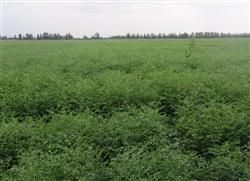
What Does Licorice Look Like? A Detailed Guide to Its Morphological Characteristics and Suitable Growing Environment
[Morphological Characteristics]Licorice (Glycyrrhiza) is a perennial herb, 30-100 cm tall. The entire plant is covered with short white pubescence and glandular hairs. The above-ground stem is upright, woody at the lower part, and the branchlets are angular and green. The leaves are alternate and odd-pinnately compound. There are 3-8 pairs of leaflets, ovate or ovate-elliptic, with entire margins, and the terminal leaflet is larger. The raceme...
条件筛选