-

-
-
-
-
-
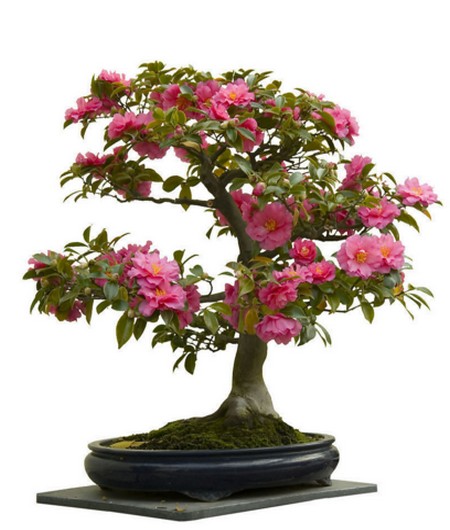
Camellia flower language and symbolic meaning, taking you through the world's flower language compendium
Camellias bloom at the turn of winter and spring, with full, dignified and elegant flowers; they are one of China's traditional top ten famous flowers and one of the world's famous flowers. Guo Moruo praised them: "A camellia tree blooms early with peach-red, a hundred crimson clouds proudly standing in the midst." The camellia has both
-
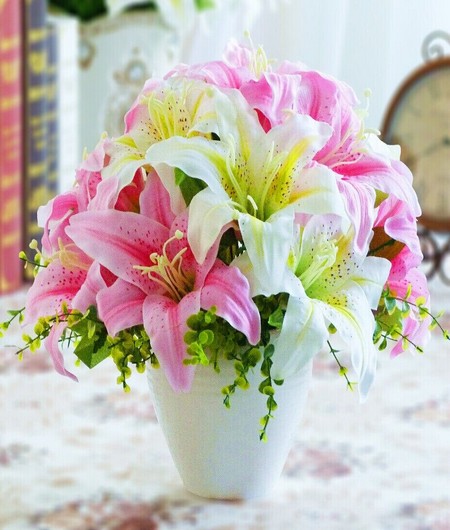
What is the flower language and symbolic meaning of the lily? The Complete World Flower Language Guide tells you
The lily is a perennial herbaceous bulbous plant of the genus Lilium in the family Liliaceae. Land with standing water is not suitable for growing lilies. In the early stage of growth, lilies consume their own nutrients, so the soil must be ensured to have sufficient nutrients. In China, the lily symbolizes a harmonious union lasting a hundred years. In Western mythology
-
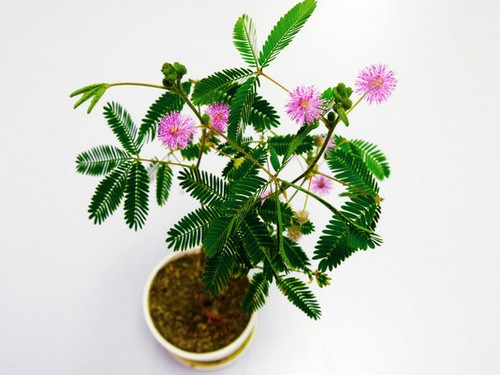
The Symbolism and Flower Language of the Mimosa Plant, Taking You Through the Complete Collection of Flower Languages of the World
The mimosa is a wondrous plant that can foretell changes in the weather, whether sunny or rainy. If you touch it with your hand, its leaves quickly close up, and when they open again it is very slow, which indicates that the weather will clear up; if when you touch the mimosa its leaves contract slowly, droop sluggishly, or even
-
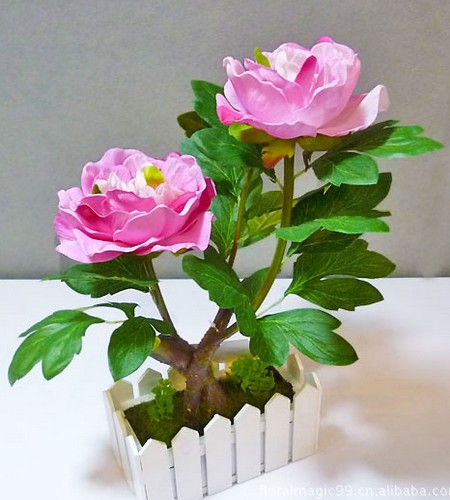
Peony Symbolism and Flower Language in the World Flower Language Encyclopedia
The peony is a traditional famous flower of China. It is elegant and charming, noble and magnificent, combining the beauty of color, fragrance, and charm, captivating all who see it. Throughout history, many poets have written poems in its praise. For example, a Tang dynasty poem praised it: "A fine name calls it the king of a hundred flowers." Also, in the Song dynasty ci poem "On the Love of the Lotus," it is written: "The peony is the wealthy and noble one among flowers."
-
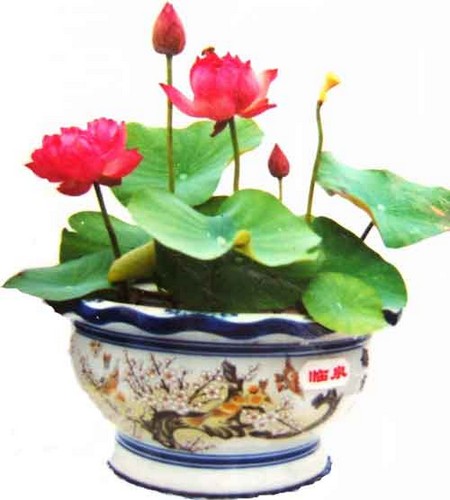
What are the flower language and symbolic meanings of the lotus? The complete guide to flower languages of the world tells you
In Buddhism it is regarded as a symbol of the Western Pure Land, a place where souls are nurtured. Buddha figures are mostly placed upon lotuses, so the Buddha's seat is also called the lotus seat. Poets of past dynasties praised the lotus for emerging from mud unstained, for being in clear ripples yet not seductive, hollow within and straight without, likening the lotus to a gentleman and giving it a holy and pure image.
条件筛选