-

Detailed Explanation of Technical Measures for Safely Overwintering Shiitake Mushroom Logs Through Summer
Key Management Points for Safely Overwintering Mushroom Logs Through Summer. Outdoor summering. Outdoor shade shelters have good ventilation and cool down quickly, therefore, using outdoor shade shelters for mycelium running can effectively reduce the occurrence of "mushroom burning." Specific measures taken for summering and mycelium running using outdoor shade shelters: First, build trellises around the shade shelter and plant vine crops such as pumpkins and luffa to improve the shading effect; Second, install automatic rotating tap water sprinklers or spray pipes on the shelter roof, and spray water to cool down from 10 AM to 4 PM every day; Third, dig interconnected trenches 20 cm wide and 30 cm deep around the inside of the shelter and on both sides of the walkways, and run flowing water through the trenches to cool down.
-
Key Technical Points for Over-summering Management of Spring Bag-cultivated Shiitake Mushrooms
After the color change of spring bag-cultivated shiitake mushrooms is completed in mid-June, the high-temperature season begins. Shiitake mycelium is intolerant of high temperatures and drought; when the temperature exceeds 35°C and persists for 4 hours, the mycelium begins to die, or even self-lyse. The following are the key technical points for ensuring that mushroom bags safely over-summer in production, for the reference of mushroom growers: 1. Cooling. Use shade, ventilation, sprinkling water on the ground, hanging clean wet burlap pieces and other methods to lower the temperature, so that the substrate temperature does not exceed 30°C. On sunny summer days, close doors and windows from 9 o'clock until sunset to prevent hot air from entering the room. 2. Shading. Thicken the shading
-
Grasp the prevention and control of scallion blight in summer
In the hot, humid and rainy seasons of spring and summer, epidemic scallion blight is prone to breaking out, causing scallion leaves to droop and wilt, or even rot, resulting in serious losses, so related prevention and control work must be done well. In the hot, humid and rainy seasons of summer, epidemic scallion blight is prone to breaking out, which can turn originally green scallions covered with yellow spots within a few days, then turning white, with leaves drooping and wilting, or even rotting, causing serious losses. Scallion blight mainly damages scallion leaves and flower stalks. In the early stage of infection, scallion leaves show indistinct pale greenish-white lesions, which after expansion become grayish-white spots, spreading along
-
Duck disease prevention and control requires attention during the transition between summer and autumn
Currently we are in the transition between summer and autumn, with large temperature fluctuations, and various pathogens easily breed and multiply. This is a season when livestock, poultry, fish and other animals are prone to disease. Neglecting prevention at this time can easily trigger disease outbreaks, causing death of livestock, poultry and fish from mass and epidemic diseases, resulting in relatively large losses. Therefore, the symptoms and prevention and treatment methods of common duck diseases during this period are introduced below. 1. Duck plague. It occurs frequently in spring, summer and autumn, with high morbidity and mortality. Prevention: inject duck plague vaccine at 10 to 15 days of age.
-
How can dried tea leaves be used to distinguish spring tea, summer tea, autumn tea, and winter tea?
Spring tea: The strips are tightly twisted, the buds, leaves, and stems are plump, strong, and heavy, the aroma is rich and fragrant, and occasionally young fruits the size of mung beans are mixed in - these are the characteristics of spring tea. Summer tea: The strips are loose, the tea leaves are light and bulky, the tender stems are thin and long, the tea fruits are the size of prayer beads, the bud tips often have fine hairs, and the aroma is slightly coarse and mature. Autumn tea: The tea leaves vary in size, the leaf blades are thin, light, and small, the aroma is mild, and occasionally tea flower buds and flowers are mixed in. Winter tea: The appearance of the tea leaves is slightly pale emerald green, the crude tea contains somewhat more yellow flakes, and the overall color is relatively uneven.
-
Key Techniques for Planting Eggplant in July for Summer Cultivation
Open-field summer eggplant. Eggplant likes water, so during the long drought with no rain in July, supplement water to keep the soil moist. When watering, dissolve the fertilizers ammonium bicarbonate, monoammonium phosphate, and potassium sulfate in water at concentrations of about 0.3%, 0.15%, and 0.2% respectively. For furrow irrigation, after filling one furrow with plenty of water, evenly sprinkle the above fertilizers into the furrow to dissolve, with per-mu amounts of 15-30 kg, 10 kg, and 10 kg respectively. If there is no water shortage, you can dig a hole in the middle of every four eggplant plants and place
-
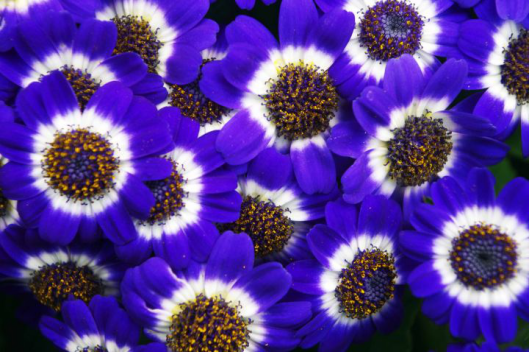
How to care for cineraria in summer? Detailed summer care methods
To care for cineraria well in summer, you need to do the following: 1. Light. Cineraria likes an environment with plenty of light, and should be placed in front of a bright east, west, or south window for at least about 4 hours of light every day to keep the flower colors vivid and the plant robust. But direct scorching sunlight will cause the leaves to wilt and curl
-
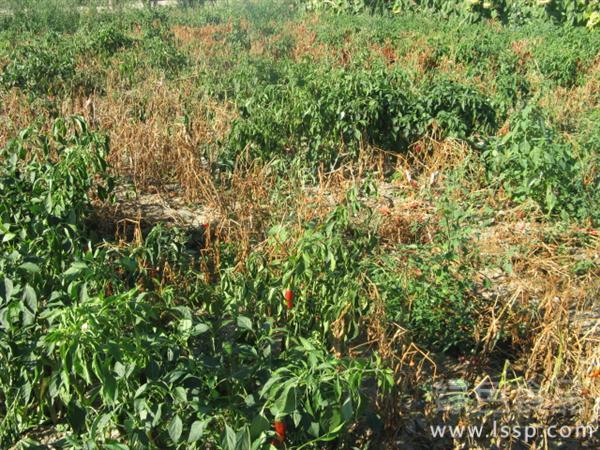
How to prevent and control pepper seedling death in summer high temperature and heavy rain
How to prevent and control pepper seedling death in summer high temperature and heavy rain Summer pepper seedling death
-

How to control bacterial angular leaf spot of cucumber in summer
Control methods for bacterial angular leaf spot of cucumber in summer
-
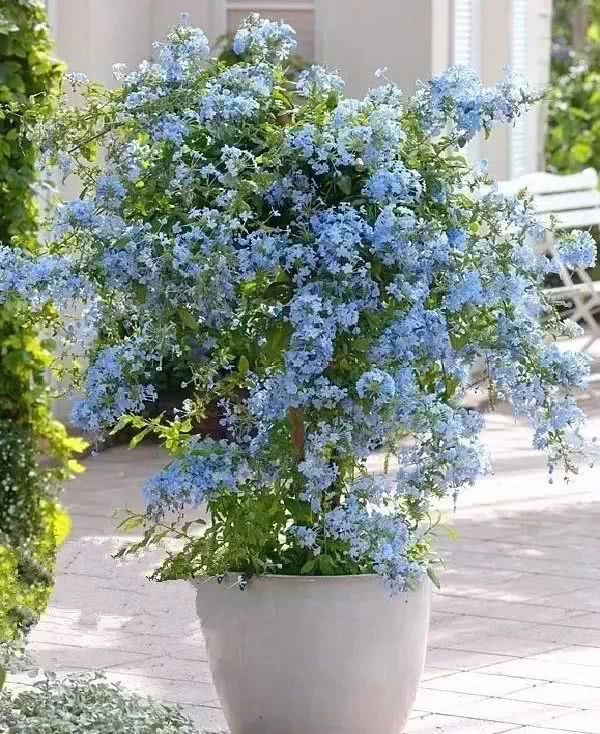
Blue plumbago (Plumbago auriculata) covers itself in blooms through summer and autumn, with the flowering period lasting until frost arrives
If you like plants with blue flowers, blue plumbago is absolutely the best choice; it is an especially easy plant to grow, producing particularly brilliant blooms in summer and autumn, and its flowering can continue right up until the winter frost...
条件筛选