-

Timely Early Sowing Measures and High-Yield Cultivation Techniques for Summer Sesame
The main sesame-producing areas in China mostly practice summer sowing, and for a long time yields have been low and unstable. This is certainly related to frequent disasters, but the more important reason is late sowing, a short growth period for sesame, and inadequate and irrational use of climatic resources. To solve this problem, in recent years we have carried out careful research on how to sow summer sesame earlier and on supporting cultivation techniques, and have preliminarily summarized a set of high-yield cultivation techniques. 1 Analysis of the reasons for increased yield from early sowing of sesame 1.1 Full use of climatic resources The main sesame-producing areas in China, including Henan
-
Six Key Prevention Techniques for Introducing Straw Mushrooms in Midsummer
Straw mushroom, also known as orchid mushroom, is one of the more commonly cultivated mushroom varieties in China. Straw mushroom contains Vc and a variety of amino acids, is rich in nutrients, and has a unique flavor; it is a variety with a short production cycle, quick results, low investment, and high returns. In the hot summer, fresh mushroom varieties are already rare on the market, but straw mushroom can not only regulate the supply of mushrooms during the off-season and meet people's growing living needs, but can also generate foreign exchange through export after deep processing. Straw mushroom is a saprophytic fungus, and it must absorb ready-made nutrients and water from dead plant matter and soil in order to live.
-
Things to note when raising piglets in spring and summer, farmers should grasp them in advance
First, pay attention to temperature changes. In spring and summer, temperatures vary greatly, there is a lot of rain, and humidity is relatively high. Pigs prefer a dry environment, have little fat tissue, and piglets are prone to feeling cold. Therefore, the temperature inside the shed and the dry environment of the pen should be maintained. Second, pay attention to increasing protein feed. Especially for piglets that have undergone long-distance transport, due to stimulation such as wind-cold and the bumping of vehicles and boats, some piglets develop dysentery and diarrhea, reduced appetite, and weight loss. In addition to doing a good job of keeping the pen dry and warm, nutrition should also be supplemented in a timely manner.
-
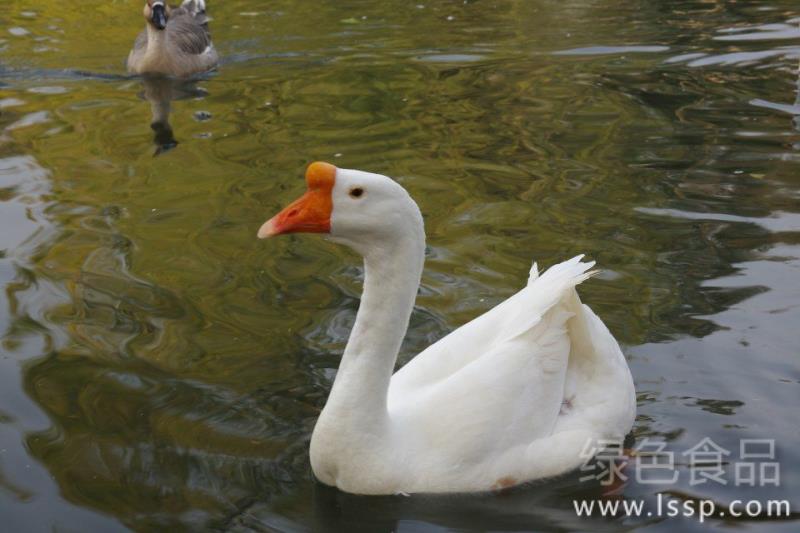
Symptoms and Prevention Methods of Heatstroke in Geese During Summer High Temperatures Due to Lack of Sweat Glands
Summer High Temperatures, Geese Lack Sweat Glands and Are Prone to Heatstroke: Symptoms and Prevention Methods of Heatstroke in Geese
-
Key Technical Points for Summer Management of Gastrodia elata in Northern Shaanxi
Gastrodia elata prefers to grow in warm, moist sandy (or leaf-mold) soil and has relatively strict requirements for temperature and humidity. However, the area along the Great Wall in northern Shaanxi lies in the mid-temperate zone, where summers are hot and dry with little rain, which is unfavorable for the growth and development of Gastrodia elata. To achieve a good harvest of Gastrodia elata, the measures that should be taken in summer management are: (1) Build a shed for shade. In summer, especially at noon during the hot dog days, due to direct sunlight, the ground temperature at 20 cm below the surface (already close to the Gastrodia elata layer) reaches as high as 30-37°C. To keep the ground temperature at 20-28°C
-
Detailed Explanation of Technical Measures for Safely Overwintering Shiitake Mushroom Logs Through Summer
Key Management Points for Safely Overwintering Mushroom Logs Through Summer. Outdoor summering. Outdoor shade shelters have good ventilation and cool down quickly, therefore, using outdoor shade shelters for mycelium running can effectively reduce the occurrence of "mushroom burning." Specific measures taken for summering and mycelium running using outdoor shade shelters: First, build trellises around the shade shelter and plant vine crops such as pumpkins and luffa to improve the shading effect; Second, install automatic rotating tap water sprinklers or spray pipes on the shelter roof, and spray water to cool down from 10 AM to 4 PM every day; Third, dig interconnected trenches 20 cm wide and 30 cm deep around the inside of the shelter and on both sides of the walkways, and run flowing water through the trenches to cool down.
-
Key Technical Points for Over-summering Management of Spring Bag-cultivated Shiitake Mushrooms
After the color change of spring bag-cultivated shiitake mushrooms is completed in mid-June, the high-temperature season begins. Shiitake mycelium is intolerant of high temperatures and drought; when the temperature exceeds 35°C and persists for 4 hours, the mycelium begins to die, or even self-lyse. The following are the key technical points for ensuring that mushroom bags safely over-summer in production, for the reference of mushroom growers: 1. Cooling. Use shade, ventilation, sprinkling water on the ground, hanging clean wet burlap pieces and other methods to lower the temperature, so that the substrate temperature does not exceed 30°C. On sunny summer days, close doors and windows from 9 o'clock until sunset to prevent hot air from entering the room. 2. Shading. Thicken the shading
-
Grasp the prevention and control of scallion blight in summer
In the hot, humid and rainy seasons of spring and summer, epidemic scallion blight is prone to breaking out, causing scallion leaves to droop and wilt, or even rot, resulting in serious losses, so related prevention and control work must be done well. In the hot, humid and rainy seasons of summer, epidemic scallion blight is prone to breaking out, which can turn originally green scallions covered with yellow spots within a few days, then turning white, with leaves drooping and wilting, or even rotting, causing serious losses. Scallion blight mainly damages scallion leaves and flower stalks. In the early stage of infection, scallion leaves show indistinct pale greenish-white lesions, which after expansion become grayish-white spots, spreading along
-
Duck disease prevention and control requires attention during the transition between summer and autumn
Currently we are in the transition between summer and autumn, with large temperature fluctuations, and various pathogens easily breed and multiply. This is a season when livestock, poultry, fish and other animals are prone to disease. Neglecting prevention at this time can easily trigger disease outbreaks, causing death of livestock, poultry and fish from mass and epidemic diseases, resulting in relatively large losses. Therefore, the symptoms and prevention and treatment methods of common duck diseases during this period are introduced below. 1. Duck plague. It occurs frequently in spring, summer and autumn, with high morbidity and mortality. Prevention: inject duck plague vaccine at 10 to 15 days of age.
-
How can dried tea leaves be used to distinguish spring tea, summer tea, autumn tea, and winter tea?
Spring tea: The strips are tightly twisted, the buds, leaves, and stems are plump, strong, and heavy, the aroma is rich and fragrant, and occasionally young fruits the size of mung beans are mixed in - these are the characteristics of spring tea. Summer tea: The strips are loose, the tea leaves are light and bulky, the tender stems are thin and long, the tea fruits are the size of prayer beads, the bud tips often have fine hairs, and the aroma is slightly coarse and mature. Autumn tea: The tea leaves vary in size, the leaf blades are thin, light, and small, the aroma is mild, and occasionally tea flower buds and flowers are mixed in. Winter tea: The appearance of the tea leaves is slightly pale emerald green, the crude tea contains somewhat more yellow flakes, and the overall color is relatively uneven.
条件筛选