-

How to Fertilize Phalaenopsis Orchids? A Detailed Guide to Fertilizing Timing and Humidity
With its graceful form, the "Phalaenopsis" (moth orchid) placed at home not only easily catches the eye, but also lives up to the beautiful meaning behind the Phalaenopsis flower language. However, many beginners assume that growing flowers is simple, that as long as you water them and give them some light, they will thrive. In fact, if you add the step of "fertilizing" before the flowering period, the blooming period can be extended by quite a bit.
-
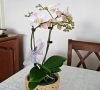
Why Phalaenopsis Orchids Drop Their Buds in Low Humidity and How to Fix It
The most distressing thing about growing Phalaenopsis orchids is this: the buds barely emerge before they shrivel and drop. In fact, insufficient humidity is a common trigger, but it is not the only one! Today I will explain the causes of bud drop and the ways to save them all in one go, so even beginners can keep their buds safe. Many people think bud drop is only caused by dryness, but in reality, problems with the environment and care can also make buds
-
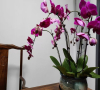
Will Phalaenopsis die from high temperature and high humidity? Clever little tips for dealing with too much humidity
It is well known that growing flowers and plants depends on the weather, especially for the relatively delicate "Phalaenopsis" (moth orchid). Besides adding shade tools in summer, you also need to move it to a relatively cool spot, and it cannot be placed outside the balcony, because after hot weather comes more rain, and at this time high temperature + high humidity kills quite a few
-

How to humidify Phalaenopsis orchids in the north? Practical ways to maintain indoor humidity
For gardening friends in the north growing Phalaenopsis orchids, the biggest headache is probably the humidity problem - clearly light and watering are done according to tutorials, yet the orchid leaves are still dry and shriveled, and may even have root rot. In the end, it is simply that the air is too dry! Phalaenopsis orchids are native to tropical forests and are used to a humid environment of 60%-80%. In our north, once the winter heating is turned on,
-

Is Areca Palm a Woody Plant? A Closer Look
The Areca Palm is a small palm plant with strong shade tolerance. Placed in the home, it can effectively remove volatile harmful substances such as benzene, trichloroethylene and formaldehyde from the air, and can also raise indoor air humidity.
-
-
-
-
-
条件筛选