-

What kind of growing environment, temperature and humidity are suitable for tulips?
Growing environment: Tulips like direct sunlight and can tolerate partial shade. In partial shade or with insufficient light, the leaves become tender and thin, weak in their upright stance, and are prone to breaking above the ground. They like moisture and are not very tolerant of drought, especially from the growth stage to the flowering stage. Once the water supply is insufficient, the leaf tips scorch and wilt, and the flower buds cannot open normally.
-

Overwintering edible fungi: raise the temperature and maintain humidity
December is the busiest period for edible fungus production. Most cultivated varieties are fruiting, some that fruit in spring are in the mycelial growth phase, and some spawn is being made or is in the mycelial growth phase. With the arrival of December, temperatures drop, which is a considerable challenge for edible fungus growth. Therefore, mushroom growers must plan reasonably, manage well, and ensure normal growth of the edible fungi. Oyster mushrooms are mostly at the fruiting stage, and some cultivated in autumn have entered the tail end of fruiting. The focus of management is heat preservation, resolving the contradiction between raising the temperature and maintaining humidity in the mushroom shed and ventilation.
-
Key points to note during the fruiting period of shiitake mushrooms: regulation of temperature and humidity differences
Increase the day-night temperature difference. In late autumn and early winter, daytime temperatures are high and nighttime temperatures are low. Cover with a layer of film during the day so that the temperature inside the mushroom bed is 2°C-3°C higher than outside the film, then open the film after 10 p.m. so the temperature drops rapidly. After several consecutive days, a large number of primordia will emerge on the surface of the mushroom logs and develop into mushroom buds. Control the humidity of the mushroom yard. After color change, initially maintain the relative humidity of the mushroom bed at about 85%. As large numbers of mushroom buds differentiate into caps and stipes, lower the air humidity to about 80%. Create a suitable dry-wet difference. In the early stage of autumn mushrooms, the internal water content of the mushroom logs is relatively sufficient and can safely
-
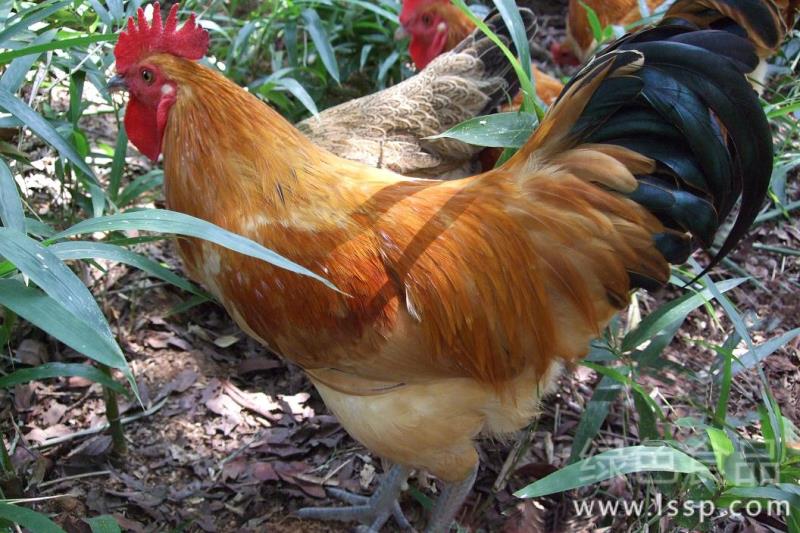
Prevention and Treatment Methods for Stubborn Diarrhea in Broiler Chickens Under High Temperature and High Humidity
Broiler chickens are prone to diarrhea under high temperature and high humidity; prevention and treatment methods for stubborn diarrhea in broiler chickens
-
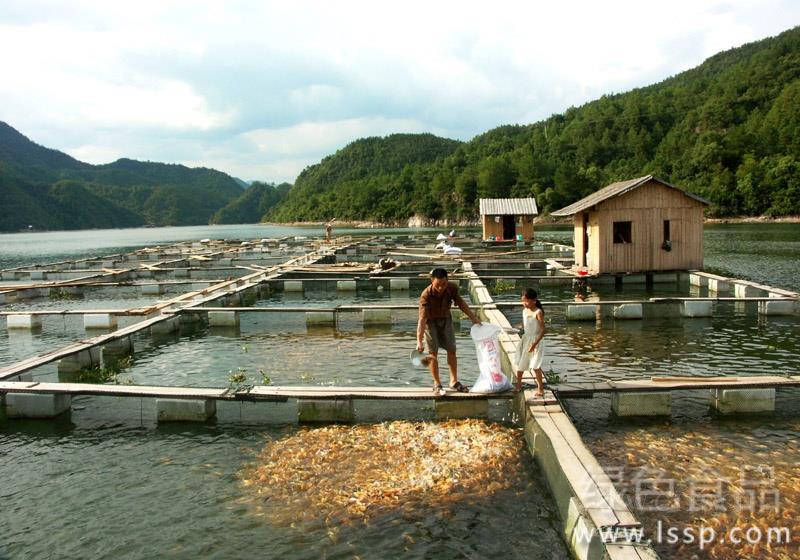
Cage fish farming in the dog days: humid and muggy conditions make skin rot likely, how to prevent it?
In the dog days, humid and muggy weather makes fish skin prone to rotting; how to prevent skin rot in cage fish farming
-
What are the suitable humidity conditions for the growth of Gastrodia elata?
In addition to temperature, humidity is also an important factor in the growth of Gastrodia elata. The annual rainfall in Gastrodia elata-producing areas is generally above 1000 mm. In some producing areas in the southwest, rainfall is mostly around 1700 mm, and the average relative humidity is 70%-80%. The climate conditions are often continuous drizzle and rainy and humid, which are most suitable for the growth of Gastrodia elata. Therefore, in artificial cultivation of Gastrodia elata, the humidity during the growth period should be controlled at about 60%, and during the overwintering period at 30%-40%. When the temperature is high, it does not matter to Armillaria mellea, but the Gastrodia elata tubers are prone to rot; while when the humidity is low, Gastrodia elata
-
How to control humidity for higher yields when growing oyster mushrooms indoors?
When growing oyster mushrooms indoors, humidity control is the key to success, and management after fruiting begins is especially important. At this stage, if the humidity is too low, the mushrooms will shrivel, stop growing, or even die; if the humidity is too high, the mushrooms rot easily. Practice has shown that controlling humidity by spraying water is hard to master, and sometimes spraying too heavily on the surface of the substrate affects the development of mushroom buds, causing young mushrooms to die and reducing or even wiping out the harvest. Here is a clever method that controls humidity without spraying water and can also increase oyster mushroom yields. Get some cotton cloth and a jar, cut the cotton cloth into a strip 8 cm x 40
-
High-efficiency cultivation technique for oyster mushrooms without spraying water for humidification
The narrow-shed no-spray high-efficiency cultivation method for oyster mushrooms combines the advantages of the soil-burial cultivation method and the mushroom-wall cultivation method, making the cultivation and management of oyster mushrooms simpler, with excellent quality and high yield. The method is: after harvesting the first flush of mushrooms, remove the mushroom blocks from their bags and build a mushroom wall around the four earthen walls of the shed. The outer ends of the wall are bonded block-to-block with sealing mud, the interior of the wall is entirely filled with nutrient soil, and a water trough is built on top of the wall for replenishing water and nutrients. The advantages of this method are mainly five: (1) Before building the mushroom wall, first let the blocks produce one flush of mushrooms; the wall built from already-shrunk blocks does not deform, does not dry-crack,
-
How to prevent rice sheath blight? Beware of high temperature and high humidity weather
Sheath blight, also known as banded leaf blight, has a great impact on the growth and development of rice. It not only weakens the absorption capacity of the root system, but also affects the photosynthesis of leaves, resulting in an increase in empty and shriveled grains, a decrease in 1000-grain weight and a decline in yield. Therefore, attention should be paid to the prevention and control of sheath blight in production. The following introduces the main symptoms, occurrence characteristics and control methods of this disease for reference. Main symptoms When rice leaf sheaths are infected, small dark green water-soaked spots with blurred edges appear near the water surface, later expanding into oval or cloud-like shapes, with the center grayish green
-
What is the most suitable temperature and humidity inside a snake enclosure?
Snakes are ectothermic animals, and changes in temperature greatly affect their growth and activity. Therefore, controlling the temperature and humidity inside a snake enclosure within the range suitable for snake growth and activity is another key issue in artificial snake farming. Generally, a temperature of 20-30°C is most suitable for the growth and reproduction of snakes. If it falls below 10-13°C, snakes curl up and become inactive; if in an environment above 40°C or below 0°C, weak and thin snakes will die in large numbers. So, in the process of artificially raising snakes, special attention must be paid to the outside
条件筛选