-
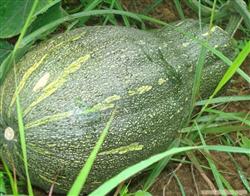
Key Points of Spring Cultivation Techniques for Honey Pumpkin
Honey pumpkin plants grow as vines. A single fruit weighs 2-3 kg, the fruit is about 36 cm long with a transverse diameter of 14.5 cm. The fruit is club-shaped, and when ripe it is orange-yellow with thick, orange-red flesh, fine-textured starch, and a sweet taste and excellent quality. It is early to mid-maturing, and can be harvested 85-90 days after transplanting. Spring planting is from January to March, autumn planting from July to August, with a yield of 2000 kg per mu....
-

Processing Methods and Technical Key Points for Honey-Crisp Ginger
This product is a wet-type candied fruit. Although it is mainly purely sweet in flavor, because the product is crisp and has a strong fresh tender ginger flavor, it is a popular candied snack. The processing technology is as follows: 1. Raw material: use the youngest part of fresh young ginger, cut into pieces about the size of a thumb, pink in color; the raw material appears delicate and small and is expensive. 2. Peeling: each piece of young ginger is about 1-2 cm long, and the ginger skin can be removed by manual rubbing. 3. Color protection and hardening measures: soak in 0.1% calcium dichloride and 0.1
-
Detailed Explanation of the Processing Technology and Production Method of Honey Garlic Milk
Garlic can reduce inflammation, kill bacteria, and prevent and treat high blood pressure and coronary heart disease, and it has a certain therapeutic effect especially in the prevention and treatment of cancer. Honey has the functions of nourishing and strengthening the body, promoting growth and development, and improving immunity. When honey is used together with garlic, it can eliminate the odor produced by garlic, improve the palatability of garlic, and at the same time give full play to the functions of both. 1. Raw material ratio: honey:garlic:egg yolk:sesame:oil=15:20:5:5:8 2. Initial processing of honey: add an appropriate amount of purified water to pure honey
-
How is honey-crisp ginger made? A detailed explanation of the processing technology for honey-crisp ginger
This product is a wet-type candied fruit. Although it is mainly purely sweet in flavor, because the product is crisp and has a strong fresh tender ginger flavor, it is a popular candied snack food. The processing technology is as follows: 1. Raw material: use the youngest and most tender part of fresh young ginger, cut off to be about the size of a thumb, pink in color; the raw material appears delicate and small, and the price? 2. Peeling: each piece of young ginger is about 1-2 cm long, and the ginger skin can be removed by manual rubbing. 3. Color protection and hardening measures: soak in 0.1% calcium dichloride and 0.1% sodium sulfite solution for 8 hours.
-
Method for Treating Purulent Wounds with Garlic and Honey
Traumatic purulent wounds in livestock are a common surgical condition. Using garlic and honey to treat purulent wounds of varying degrees has produced fairly good results. The treatment method is as follows: Preparation: Mash the garlic into a paste, then add honey, mixing one part garlic to four parts honey, and stir into an ointment-like consistency. It is best to prepare it fresh each time before use. Application: Clean the purulent wound thoroughly with an antiseptic solution, then place the prepared ointment into the wound cavity, and bandage it with two layers of gauze. Change the dressing every 2-3 days. Generally, 1-3 applications are enough for full healing.
-

How to grow the honey mushroom? A detailed explanation of honey mushroom cultivation techniques
Cultivation techniques for the honey mushroom
条件筛选