-

The Impact of High-Temperature Off-Season Flower Bud Differentiation in Phalaenopsis and How to Handle It
In the blink of an eye, April is about to pass, and as we step into May, temperatures in the south will get hotter day by day. At this time, friends who keep Phalaenopsis at home sent private messages asking, why is it that in especially hot weather, their orchids at home are still differentiating flower buds? At this point, should they keep them or cut them off? In fact, seeing Phalaenopsis differentiate flower buds in summer too
-

What to use to disinfect after pruning a Phalaenopsis, and how to handle it?
The Phalaenopsis (moth orchid) is a much-loved ornamental flower, and timely pruning helps it maintain a good plant shape and promotes new shoot growth and flowering. However, if disinfection and care after pruning are improper, it is very easy to trigger bacterial infection, causing the plant's growth to be stunted or even to die. Understanding the correct disinfection methods and follow-up care measures is the key to ensuring the health of the Phalaenopsis.
-
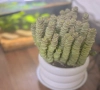
Should you cut off succulent flowers when they bloom? Here's the correct way to handle them
When a succulent at home suddenly blooms, do you feel both delighted and worried? Don't worry, succulents blooming is actually a natural phenomenon in their growth process. Below are a few tips to share, so next time your succulent blooms you can handle it with ease. Keeping the flowers for viewing: when you come across succulent flowers with plump petals and vivid colors, you can keep them and enjoy them properly
-
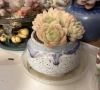
How are old succulent stems grown, and how do you handle daily care and management?
Who says old succulent stems can only be obtained by waiting 3 or 5 years? Master these few techniques, and in 1 year you can grow ordinary varieties into stunning cliff-style stems! Step one: grow the roots. Spring and autumn: mix leaf mold and garden soil at 2:1, then add 1 part perlite; it is loose, breathable, and has its own fertility. When repotting, you can also trim off rotten roots along the way. Summer: river sand + perlite 1:
-
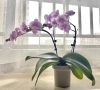
How to Handle Yellowing, Dropping, and Rotting Leaves on Phalaenopsis Orchids After the Flowers Fade
Do you often run into this situation: after a Phalaenopsis orchid finishes blooming, its leaves start turning yellow and dropping, and it just breaks your heart to watch? Don't worry! Actually, the main causes are just natural metabolism, root problems, or inadequate care, and you can easily solve it by treating the right cause. First, figure out why the leaves are turning yellow.
-
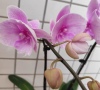
How to deal with old root rot in Phalaenopsis? Here's the best way to handle it
When growing Phalaenopsis, old root rot is the worst problem you can run into. Once you notice the roots turning black and mushy, don't worry - below we'll show you how to deal with old root rot in Phalaenopsis, along with everyday care tips. 1. Emergency treatment for old root rot in Phalaenopsis. 1. As soon as you spot root rot, stop watering immediately so the roots don't stay soaked. Carefully take the Phalaenopsis out of the pot, and you can gently shake the plant so the medium falls away naturally; if the medium is packed tight, use scissors to separate it along the pot wall to reduce root damage.
-
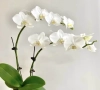
Reasons Why Phalaenopsis Leaves Turn Red and How to Handle It
Phalaenopsis, with its elegant flower form, is deeply loved by flower enthusiasts, yet during care the phenomenon of leaves turning red occurs from time to time, mainly caused by several aspects including light, water, temperature, nutrients and diseases. Light: when Phalaenopsis is exposed to overly strong light, the leaves show an obvious physiological response. New leaves are prone to
-
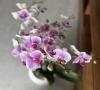
When a Phalaenopsis (moth orchid) stalls and won't grow a flower spike, this is how to handle it so it returns to normal
Phalaenopsis stalled and not growing a flower spike? You probably just haven't used the right method. Try these flower-forcing tips and the flower spikes will shoot up fast. 1. The temperature difference principle: a day-night temperature difference of over 10°C, such as 20-25°C during the day and 10-15°C at night, can trigger the flower bud differentiation mechanism of Phalaenopsis. Method: In heated rooms in the north: at night, place the pot
-

How to handle a Phalaenopsis right after removing it from its pot? Does it need to be sun-dried for a few days?
Friends who grow Phalaenopsis have surely encountered the time when they need to remove it from its pot. How to handle it after repotting, whether it needs sun-drying, and how long to dry it, these questions are all too common! After a Phalaenopsis is removed from its pot, never put it directly in the sun! Its roots are not as tough as those of other plants. They are that kind of white, tender, translucent aerial root. If placed directly in the sun, the water
-

How to Handle Yellow Leaves or Bud Drop in Phalaenopsis Caused by Temperature Fluctuations, and the Suitable Growing Temperature
In the market, it is believed that few flowers can rival the "Phalaenopsis" in beauty, so in recent years its varieties have been coming out more and more, and at the same time the price has been rising along with it. Generally speaking, buying a pot of Phalaenopsis with 5-6 plants costs at least 150 yuan. Having bought such an expensive flower, the top priority is to grow it well, otherwise the money is wast
条件筛选