-

Can old Phalaenopsis orchids grow new shoots? Here is how to handle it when they do
Can an old Phalaenopsis orchid grow new shoots? Plenty of orchid growers have probably wondered about this. Let me tell you, it really can! But it depends on the situation - not every old plant can push out a new shoot. So what should you do when a Phalaenopsis grows a new shoot? This question looks simple, but there is actually a lot to it. After a Phalaenopsis blooms, there
-

Can Sphagnum Moss Kill Phalaenopsis Orchids If Too Wet? Learn the Correct Way to Handle It
Friends who grow Phalaenopsis orchids have probably all run into this situation: you excitedly buy sphagnum moss, thinking it's definitely the right choice for growing them, but less than two weeks later the leaves turn yellow, the roots turn black, and the once-healthy plant just wilts away - nine times out of ten it's caused by the sphagnum moss being too wet. Actually, the roots of Phalaenopsis orchids aren't ordinary soil-grown roots; they're those plump
-
Reasons for Softening Leaves in Phalaenopsis Orchids and How to Handle It
Today I will teach you how to effectively solve the problem of Phalaenopsis orchid leaves suddenly going soft during care, so that your Phalaenopsis orchid regains its vitality and blooms with beautiful flowers. 1. Soft rot Soft rot is a common disease of Phalaenopsis orchids, and once it strikes, it spreads quickly. Symptoms: small water-soaked spots first appear on the leaves, and within just a few days they will
-

How to Handle Yellow Leaves or Bud Drop in Phalaenopsis Caused by Temperature Fluctuations, and the Suitable Growing Temperature
In the market, it is believed that few flowers can rival the "Phalaenopsis" in beauty, so in recent years its varieties have been coming out more and more, and at the same time the price has been rising along with it. Generally speaking, buying a pot of Phalaenopsis with 5-6 plants costs at least 150 yuan. Having bought such an expensive flower, the top priority is to grow it well, otherwise the money is wast
-

How to handle a Phalaenopsis right after removing it from its pot? Does it need to be sun-dried for a few days?
Friends who grow Phalaenopsis have surely encountered the time when they need to remove it from its pot. How to handle it after repotting, whether it needs sun-drying, and how long to dry it, these questions are all too common! After a Phalaenopsis is removed from its pot, never put it directly in the sun! Its roots are not as tough as those of other plants. They are that kind of white, tender, translucent aerial root. If placed directly in the sun, the water
-
When a Phalaenopsis (moth orchid) stalls and won't grow a flower spike, this is how to handle it so it returns to normal
Phalaenopsis stalled and not growing a flower spike? You probably just haven't used the right method. Try these flower-forcing tips and the flower spikes will shoot up fast. 1. The temperature difference principle: a day-night temperature difference of over 10°C, such as 20-25°C during the day and 10-15°C at night, can trigger the flower bud differentiation mechanism of Phalaenopsis. Method: In heated rooms in the north: at night, place the pot
-
Reasons Why Phalaenopsis Leaves Turn Red and How to Handle It
Phalaenopsis, with its elegant flower form, is deeply loved by flower enthusiasts, yet during care the phenomenon of leaves turning red occurs from time to time, mainly caused by several aspects including light, water, temperature, nutrients and diseases. Light: when Phalaenopsis is exposed to overly strong light, the leaves show an obvious physiological response. New leaves are prone to
-
How to deal with old root rot in Phalaenopsis? Here's the best way to handle it
When growing Phalaenopsis, old root rot is the worst problem you can run into. Once you notice the roots turning black and mushy, don't worry - below we'll show you how to deal with old root rot in Phalaenopsis, along with everyday care tips. 1. Emergency treatment for old root rot in Phalaenopsis. 1. As soon as you spot root rot, stop watering immediately so the roots don't stay soaked. Carefully take the Phalaenopsis out of the pot, and you can gently shake the plant so the medium falls away naturally; if the medium is packed tight, use scissors to separate it along the pot wall to reduce root damage.
-
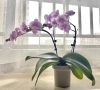
How to Handle Yellowing, Dropping, and Rotting Leaves on Phalaenopsis Orchids After the Flowers Fade
Do you often run into this situation: after a Phalaenopsis orchid finishes blooming, its leaves start turning yellow and dropping, and it just breaks your heart to watch? Don't worry! Actually, the main causes are just natural metabolism, root problems, or inadequate care, and you can easily solve it by treating the right cause. First, figure out why the leaves are turning yellow.
-

How to judge the quality of Phalaenopsis potting medium and tips for handling mold
When growing Phalaenopsis, the choice of potting medium is crucial, as it directly affects the plant's growth. To help Phalaenopsis thrive, in addition to suitable light, temperature, and humidity conditions, a high-quality potting medium is equally indispensable. So, how do you judge whether a Phalaenopsis potting medium is good or bad? And what should you do if the potting medium becomes moldy?
条件筛选