-

What is the difference between Gymnocalycium baldianum and Gymnocalycium multiflorum? Learn to tell them apart easily
Gymnocalycium baldianum is native to the Andes Mountains of Argentina. Its globe shape is neat and upright, its flowers are beautiful, and it has very few pests and diseases, making it very suitable for ordinary household cultivation, displayed on balconies, windowsills or courtyards. But flower shops also sell Gymnocalycium multiflorum, and the difference between Gymnocalycium baldianum and Gymnocalycium multiflorum is
-
Grafting Propagation Methods and Wintering Tips for the Red Moon Cactus (Gymnocalycium mihanovichii)
The red moon cactus is a plant that flowers very easily and is deeply loved by flower enthusiasts. As a plant in the cactus family, the red moon cactus has stronger vitality than other varieties, and keeping it alive is not a difficult task. The propagation method for most plants is grafting. So does the red moon cactus
-
How to Grow a Gymnocalycium mihanovichii (Ruby Ball Cactus)? Growing Methods and Precautions
Gymnocalycium mihanovichii, also known as the red peony cactus, has a ball body in diverse colors and is very beautiful. It also blooms in spring and summer, extremely dazzling. The ruby ball cactus not only beautifies the living environment, but also has very remarkable effects in clearing blood heat and dissipating blood stasis. So is this beautiful
-
How to grow Gymnocalycium baldianum? The planting method revealed
Gymnocalycium baldianum is the flower produced by a plant that looks exactly like a cactus. Indeed, it also belongs to the cactus family. As everyone knows, cactus-family plants are all easy to grow, yet people do not know the correct way to plant it. So what is the planting method for Gymnocalycium baldianum? Below
-
What to do if a Gymnocalycium baldianum has root rot? The latest treatment methods
Gymnocalycium baldianum is a common succulent plant in everyday life. As long as succulents are not cared for properly, root rot is extremely likely to occur, and Gymnocalycium baldianum is no exception. Many friends do not know what to do when a Gymnocalycium baldianum has root rot? Can a Gymnocalycium baldianum still be saved after root rot? Follow the editor to take a look.
-
How to grow Gymnocalycium mihanovichii var. friedrichii well? A detailed guide to the latest cultivation methods
Gymnocalycium mihanovichii var. friedrichii is one of the main cultivated varieties of cactus plants, also known as Red Lantern, Red Peony, etc. It is a variegated mutation of Gymnocalycium mihanovichii var. friedrichii, a variety of Gymnocalycium mihanovichii in the cactus family Cactaceae, native to South America. The color of its body remains the same throughout the four seasons, and placed on a balcony in winter when few flowers bloom, it has the decorative effect of a spot of red amid a sea of green. Let's take a look below at how to grow Gymnocalycium mihanovichii var. friedrichii well!
-
Gymnocalycium baldianum
Gymnocalycium baldianum - does the name make you think it should be a tiny, soft, delicate plant? In reality, that is not the case at all; it grows sharp spines and belongs to the cactus family.
-
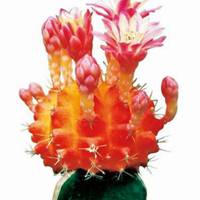
How adaptable is Gymnocalycium mihanovichii actually?
Gymnocalycium mihanovichii is the most common red ball cactus, blooming with pink flowers in summer; both flowers and stems compete in beauty, a truly gorgeous sight. Grown in pots to accent balconies, desks and writing tables, it instantly brightens the whole room. It can also be combined with other small succulents in a landscape frame or bottle garden for a uniquely stylish display.
-
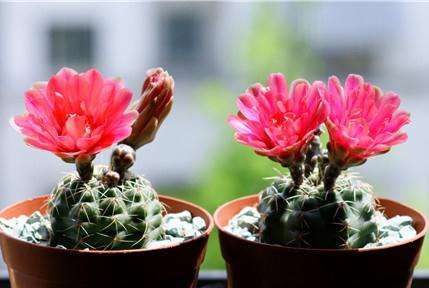
What is Gymnocalycium baldianum? Let us introduce you to this succulent plant
Gymnocalycium baldianum, a plant in the cactus family, genus Gymnocalycium. This species has a neat spherical form, beautiful flowers and very few pests and diseases, making it very suitable for ordinary home cultivation. It is robust, likes sunlight, but also tolerates short periods of partial shade. It is not demanding about soil, tolerates drought, ...
-
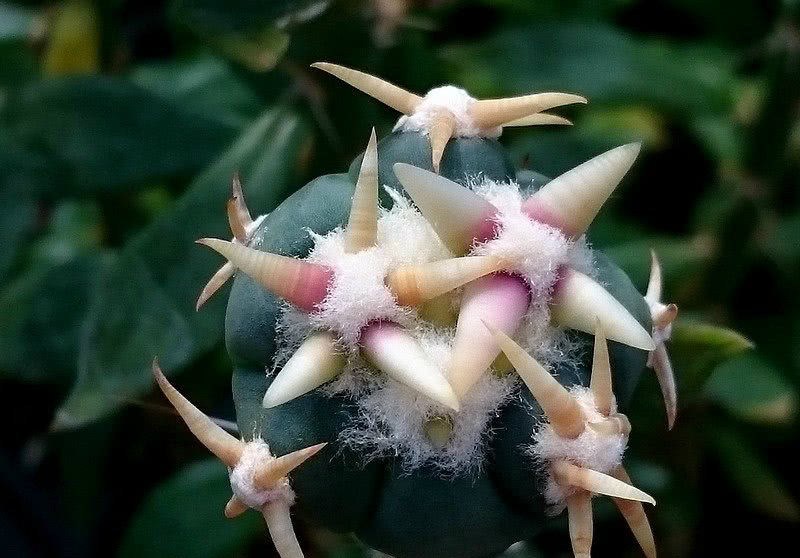
Appreciation of a new short white-spined cultivar of Cui Ping Wan (Gymnocalycium) grafted by a cactus master
Thanks to You Congxuan for the material, home-produced seeds, home-sown seedlings and grafting. Although many hobbyists think grafting has no value, these spines just look awesome. Home-produced seeds, home-sown seedlings and grafting. Although many hobbyists think grafting has no value, these spines just look awesome. Home-produced seeds...
条件筛选