What is Gymnocalycium baldianum? Let us introduce you to this succulent plant
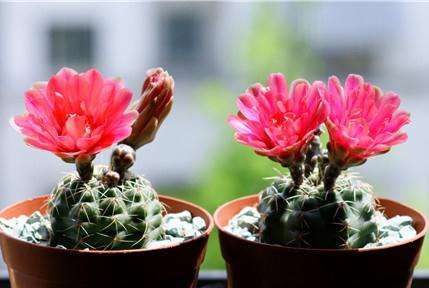
Gymnocalycium baldianum, a plant in the cactus family, genus Gymnocalycium. This species has a neat spherical form, beautiful flowers and very few pests and diseases, making it very suitable for ordinary home cultivation. It is robust, likes sunlight, but also tolerates short periods of partial shade. It is not demanding about soil and tolerates drought; during the flowering period it needs appropriate moisture to supply the flower buds, and it is cold-hardy in winter.
Gymnocalycium baldianum
The cristate mutant form of Gymnocalycium baldianum, called "Gymnocalycium baldianum crest" or "Gymnocalycium baldianum cristata", has growing points that extend laterally in a linear shape, with fleshy stems that twist and bend as they grow, forming an irregular shape; the flower shape and flower color are the same as those of Gymnocalycium baldianum, but the flowers are slightly smaller. The variegated mutant form "Gymnocalycium baldianum variegata" has a body that is yellow or orange with red patches.
Gymnocalycium baldianum
It is robust, likes sunlight, but also tolerates short periods of partial shade. It is not demanding about soil and tolerates drought; during the flowering period it needs appropriate moisture to supply the flower buds. It has the habit of growing in the warm season and going dormant in the cold season, making it a "summer-growing type" among succulent plants. From April to October, during the growing period, place it in a spot with ample light; if light is insufficient, the body will become leggy and the flower buds will be difficult to open. In summer, when temperatures are high, shade it appropriately to avoid intense sunlight scorching the surface of the body. For watering, follow "do not water until dry, and when you water, water thoroughly"; pay attention to drainage during the rainy season. Ensure good ventilation and avoid muggy, humid conditions.
Gymnocalycium baldianum
Gymnocalycium baldianum requires a dry environment and fears waterlogging in the potting soil; generally keep the potting soil "dry before wet". After winter begins, watering should be absolutely prohibited, keeping the potting soil dry to encourage it to enter dormancy. If the temperature does not fall below 2°C-5°C, it can overwinter safely. This is because cacti are most cold-hardy during dormancy. If improper watering is done in winter, breaking their dormancy and restoring their physiological activity, the plant's cold hardiness will decrease and it will easily suffer frost damage and rot.
After the cactus has passed the severe winter, attention must also be paid to the hurdle of moving it outdoors in spring. In spring, it is sometimes warm and sometimes cold, and the climate is changeable; do not be in a hurry to move it outdoors too early, and even more so do not water in early spring, otherwise the careful care of a whole winter will be ruined in an instant. You must wait until around Grain Rain, when the temperature has stabilized, before moving it outdoors for normal care and management.