-

How to grow spider plants? A detailed guide to the growth habits and cultivation methods of spider plants
How to grow a spider plant, method one? The cultivation method for spider plants is very simple. The cultivation methods for spider plants are described below: Spider plant potting soil that is too wet - since spider plants have fleshy roots, during cultivation you only need to keep the soil moist, not overly wet or waterlogged. If the soil is too sticky and heavy, its permeability becomes poor, or if there is overwatering and other such reasons
-
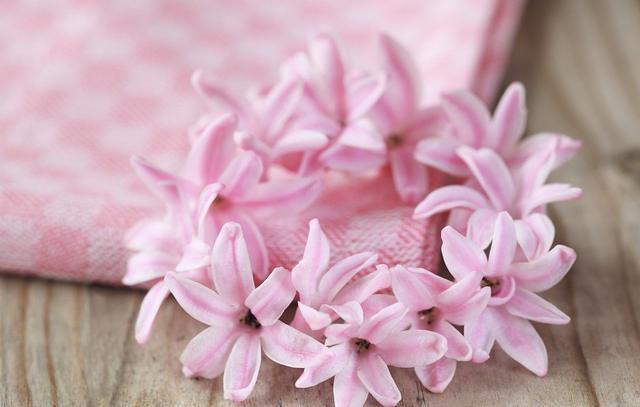
A detailed guide to hyacinth care: learn to grow the bulb flowers you love
Hyacinth is a representative plant among bulb flowers. Most of the nutrients for its blooming this season come from nutrients stored during the previous growth cycle, which is also why its bulb is so large...
-

A Complete Guide to Common Pests and Diseases of Chestnut and Their Control Methods
Common Pests and Diseases of Chestnut and Their Control
-
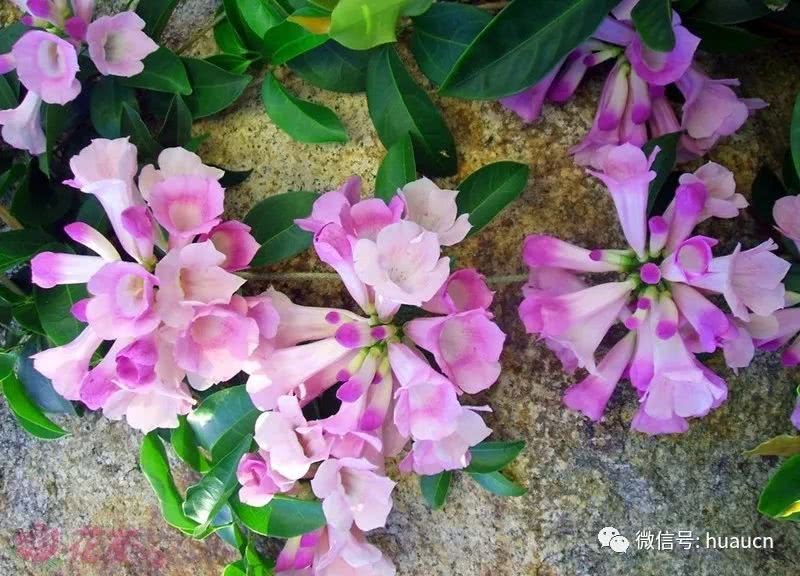
How to Grow Garlic Vine? Detailed Guide to Cultivation Methods and Precautions
1. Pot and soil: For growing garlic vine at home, you can plant it in a pot on a sunny balcony, either as a climbing potted plant or directly as a hanging plant, and you need to choose a suitable flower pot or hanging basket. For the soil, you can choose loose, fertile, slightly acidic soil, mixing garden soil, peat...
-

-
How do you care for hostas so they fill out the pot? A full guide to growing techniques
To get hostas to fill out the pot, four conditions must be met: First, suitable light - the light must not be too bright, and they should be grown in a semi-shaded spot. Second, loose soil - they need loose, fertile, well-draining soil, and the potting soil should be low in salt. Third, plenty of water - they need ample moisture, and the potting soil should stay moist at all times. Fourth, reaching a certain age - they usually fill out the pot after about three years of growth.
-
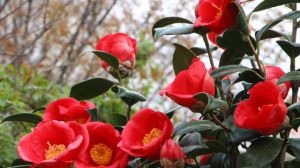
How to identify Camellia japonica? A detailed guide to the methods of identifying Camellia japonica
Leaves: leathery, alternate, elliptical or ovate to obovate, dark green on the upper surface and lighter on the underside. Flowers: solitary or 2 to 3 borne in the leaf axils or at the tips of branches, pink or bright red. Seeds: the capsule is round, and the seeds are blackish brown or light brown, nearly spherical or pressed against each other into a polygonal shape.
-
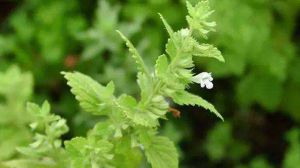
What is the difference between lemon balm and mint? A quick guide to telling them apart
Leaf differences: lemon balm leaves are ovate, with a blunt or acute tip and a rounded to nearly heart-shaped base, and they have relatively long soft hairs. Mint leaves are oblong-lanceolate, elliptic or ovate-lanceolate, and compared with lemon balm, their soft hairs are shorter. Flower differences: lemon balm has a creamy-white corolla, while mint has a pale purple one.
-
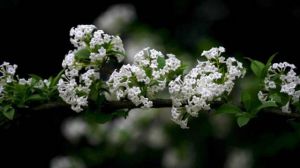
What is the difference between Viburnum farreri and lilac? A quick guide to tell them apart
Leaf difference: the former is papery, elliptical or rhombic-obovate, with triangular serrations. The latter is ovate to reniform, with a smooth surface and no serrations. Flower difference: the former is pink and turns white after opening, with 5 petals, while the latter is purple, with 4 petals.
-
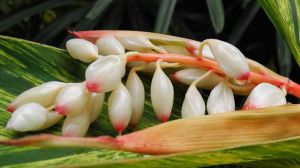
What is the difference between shell ginger and Amomum villosum? A quick guide to tell them apart
Leaves: the former has lanceolate leaves with a petiole about 1-1.5 cm long. The latter has lanceolate leaves in the middle and linear leaves at the top, with nearly no petiole. Flowers: the former has a panicle, white at the bottom and pink at the tip. The latter has a spike, with white petals and a yellow pointed tip in the center. Fruit: the former is ovoid, while the latter is elliptical.
条件筛选