A detailed guide to hyacinth care: learn to grow the bulb flowers you love
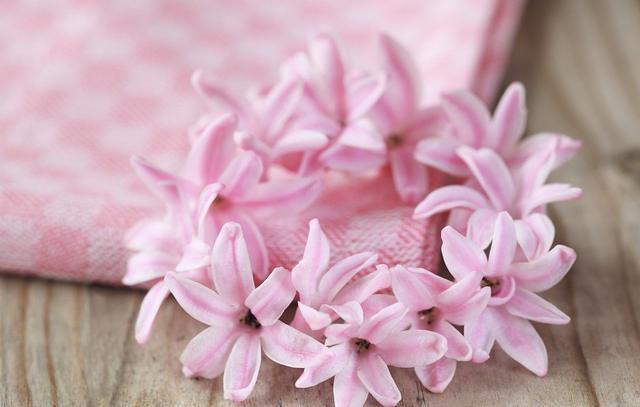
Hyacinth is a representative plant among bulb flowers. Most of the nutrients for its blooming this season come from nutrients stored during the previous growth cycle, which is also why its bulb is so large. It is precisely for this reason that we can also use hydroponics to make hyacinths produce beautiful flowers. Here are a few points to keep in mind about hydroponics, so remember them well!
When growing hyacinth hydroponically, pay attention to the water level in relation to the bulb: there should be a gap of 1cm to 2cm, and this space can provide enough fresh air for the hyacinth's roots. Once the roots are directly soaked in water, root rot is likely to occur!
The water used for hydroponic hyacinths needs to be changed frequently. Generally, it should be changed once every 5 days. When changing the water, try to lift the hyacinth up a little and then change the water, and be careful not to damage the roots. Nutrient solution can be added or not; if adding it, generally 3 drops at a time is enough, not too much.
The container used for hydroponic hyacinths also matters. Many flower growers choose transparent glass containers when cultivating them, but because they are transparent, they are also very unfavorable for hyacinth rooting. If you choose a transparent glass container, we should use a piece of cloth or newspaper to cover the bottle and keep it in a dim environment. After letting it sit for about 20 days and waiting for the roots to sprout, it can be moved to a bright place and receive sunlight again.
At the beginning of hydroponics, generally 1 to 2 hours of light per day is enough. Only later should the light duration be gradually increased, generally to 8 hours of light in the later stage. Most of the time, the lighting should be given when the weather is good. Although hydroponic hyacinths are simple and have relatively fewer pests and diseases, there are still two major problems we need to pay attention to: first, how to deal with moldy bulbs, and second, what to do about flower stalk entrapment!
First, if the bulb becomes moldy, we can buy carbendazim liquid, dilute it, and apply it to the moldy area. After using it several times in a row, it can be removed. If the mold is excessive and rot has appeared, then we should soak it in diluted carbendazim solution for several hours, wait for it to dry, and only then replant it.
Hyacinth flower stalk entrapment actually means that the hyacinth's flower stem cannot elongate normally and appears trapped by the leaf cluster. The main reason for this situation is that the temperature during flowering is too low. The temperature for hyacinth flowering should preferably be kept above 17°C.
The sign of hyacinth flower stalk entrapment is that the flower stem has not yet elongated, while the flowers at the top have already shown color. At this time, we can put a paper tube over the inflorescence and then move it to a warm environment, waiting for the flower stem to elongate and bloom normally. In fact, this uses the principle that plants will become leggy in an environment lacking light.
The above are the few points we need to pay attention to when growing hyacinths hydroponically. I hope it can bring a lot of help to flower lovers who like hyacinths. At the same time, the editor also wishes everyone here can grow a pot of hyacinths bursting with blooms. Thank you for reading, and friends who like the editor's articles can click follow!