-

When to Plant Yacon? Detailed Guide to Planting Methods and Precautions
Summary Site selection: desert areas or high mountains, with loose soil and clean water, at a temperature of around 20 degrees. Sowing: can be sown in spring or autumn, the growing period is about 200 days, and it enters the flowering stage in September. Watering: do not water onto the leaves, water from the roots. Fertilizing:
-
How Do Torreya Seeds Germinate? A Detailed Guide to Cultivation Methods
Abstract First, make a seedling box, which needs a channel for water flow, as well as a water tank equipped with an electric heating mechanism and a motor switch. Then place the seeds on the support plate, fill with wet sand at a moisture content of 3%-5%, and use the wet sand to completely cover the support plate and the Torreya seeds. Pour
-
How to Grow Hydrangeas? Detailed Guide to Cultivation Methods and Precautions
Summary Soil: Hydrangeas like to grow in fertile, well-drained, loose sandy loam, and the pH value should not deviate too much. Light: They need light but it must not be too strong, otherwise the hydrangeas need to be given appropriate shade. Temperature: They are not suited to surviving at 15 degrees; in winter they must not go below 5 degrees; flower bud differentiation requires about 6-8 weeks at around 5-7°C; temperatures above 20°C can promote flowering, but if the temperature is too high, the flowers will fade.
-
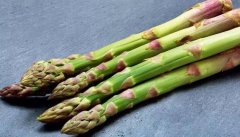
Detailed Guide to Asparagus Planting Techniques and Seasonal Timing
Summary Seeds: The asparagus seed coat is very thick, so the seeds must be soaked to promote germination and treated with chemicals before sowing. Sowing: Generally, the method of raising seedlings and then transplanting is chosen, as this gives a better emergence rate and better seedling quality, and can shorten the root-crown growing period in the field. Planting out: An
-
Detailed Guide to High-Yield Cultivation Techniques for Wine Cap Mushroom and Yield per Square Meter
Summary Season: generally two crops can be cultivated per year, usually one crop each in September to December and December to May. Site: requires an adequate water source and fertile land, avoid sunlight exposure, and do not choose ground that is too low or prone to waterlogging. Disinfection: the site needs to be
-
A Detailed Guide to White Ginseng Fungus Cultivation Techniques and Spawn Culture Methods
Abstract Season: cultivate every year in autumn and spring. Substrate: conventional bagging and sterilization, preferably using vertical cultivation techniques. Disinfection: strict aseptic operation throughout, and after sterilization is complete, cool to below 28°C before inoculation. Spawn running: adjust the indoor temperature well to ensure
-
Can Tricholoma mongolicum be grown with sheep manure? A detailed guide to growing techniques
Summary Tricholoma mongolicum can be grown. Temperature: the growing time must be chosen well, as environments that are too hot or too cold are both unsuitable for cultivating Tricholoma mongolicum mycelium. Spawn: the mycelium is required to be white and dense, with good clumping, uniform and consistent mycelium, free of contaminating microbes, cut into blocks of moderate size
-
A Detailed Guide to Wine Cap Mushroom Spawn Formulas and Production Timelines
Abstract Maltose yeast agar medium: soy peptone 1 g, yeast 2 g, maltose and agar 20 g, add water to 1,000 ml. Potato dextrose yeast agar medium: potato 300 g, yeast 2 g, soy peptone 1 g, glucose 10 g, agar 20 g, add
-
Detailed Guide to High-Yield Cultivation Techniques and Harvest Time of the Pig Stomach Mushroom
Abstract Season: The pig stomach mushroom is usually inoculated during March to May, and harvesting begins from June to September. Site: Indoors there should be several windows facing each other to facilitate ventilation, and outdoors a shade shed site 2 meters high should be set up, with drainage ditches dug around it. Mushroom house: arched bamboo, each covered with plastic
-
How to Grow Huagu Mushrooms? A Detailed Guide to High-Yield Huagu Cultivation Techniques
Summary Mushroom shed: it needs to be ventilated at all times. Temperature: the average daily temperature is best at 26 to 28 degrees. Preparing the culture material: wood chips are preferred; use a grinder to mix 2kg potassium dihydrogen phosphate + 175kg wheat bran + 18kg gypsum powder + 2kg lime into the culture material. Bagging and sterilization: complete within 6-7 hours
条件筛选