-

Why is the nipplefruit also called "five generations under one roof" and "golden fruit"
Aliases: five generations under one roof, golden fruit, five sons paying birthday respects. Family and genus: an evergreen small shrub of the genus Solanum in the family Solanaceae. Morphological characteristics: the fruit of the nipplefruit is golden yellow with a peculiar shape; its flowering and fruiting period is summer and autumn, and the fruiting period is long, especially after leaf fall in early winter, because its fruit does not change color or shrink, making it unique and attractive. It is an upright branching small shrub, usually grown as an annual, with a plant height of 0.5--1.5 m, relatively sparse leaves, and the whole plant covered with waxy yellow flat spines. Its flowering and fruiting period is summer and autumn; before flowering, the flower buds often droop, and when fully open they are slightly upright, with 5 purple flowers
-
Key Production Technology Points for Flat-Bed Cultivation and Successive-Generation Cultivation of the Elm Oyster Mushroom (Pleurotus citrinopileatus)
The elm oyster mushroom (Pleurotus citrinopileatus), due to its strong growth vigor, good stress resistance, ease of cultivation and promotion, and high biological efficiency, has very broad development prospects in Shandong Province. Shandong Province is a major cotton-growing province, and in recent years the cotton planting area has risen sharply, with cottonseed hulls being of high quality and low price. The following is an introduction to the production technology for cultivating the elm oyster mushroom using cottonseed hulls as the main substrate, employing fermented substrate flat-bed cultivation and successive-generation cultivation. I. Spawn Production 1. Spawn Selection Select strains with strong growth vigor, good stress resistance, high and stable yields, and a broad temperature adaptation range, such as Yuhuang-1 and Yuhuang-2. The mycelial growth temperature is 5-35 degrees, with 20-30 degrees being suitable; the fruiting body differentiation and growth temperature is 10-30 degrees, with the optimum temperature being 8-25 degrees. It is tolerant to carbon dioxide. Under conventional cultivation, the biological yield can reach 150%, and under successive-generation cultivation, the conversion rate can reach 200%. It is an excellent strain suitable for cultivation in Shandong Province.
-
How to Carry Out Sprout Regeneration of Black Locust? Detailed Practical Technical Points
1. Site clearing. After clearcutting black locust, a large amount of residues, shrubs and weeds accumulate on the site, which are obstacles to sprout regeneration and should be cleared in time. The main purpose is to improve site conditions and sanitation, create a favorable environment for young tree growth, and promote the young stand to close its canopy as soon as possible. 2. Forest land enclosure. To shorten the forest cultivation cycle, comprehensive enclosure measures are adopted for black locust clearcut sites. Cattle and sheep specifically browse the tender shoots of young trees and cause extremely severe damage to black locust sprouts, so dedicated personnel must be assigned for supervision and protection, grazing must be strictly prohibited; mowing and firewood gathering are strictly prohibited,
-
Using the large-plow furrowing method for clear-cut regeneration of black locust
1. Preparatory work. Large-plow furrowing means using a tractor to pull a large plow to furrow in a clear-cut black locust (Robinia pseudoacacia) site. A tractor with relatively high horsepower must be used. An ordinary iron plow for plowing farmland is sufficient, but a single plow is required. First clear branches and large stones from the site. 2. Plot selection. Large-plow furrowing requires concentrated, contiguous plots, a slope of less than 25 degrees, and a soil layer of more than 30 cm. 3. Technical requirements. The black locust root system is relatively shallow, the main root is not obvious, and the lateral roots are well developed. The main lateral roots are mostly distributed in the surface layer at a soil depth of 20-30 cm.
-
Control recommendations for the fourth generation of white-backed planthopper in rice issued, please carry out timely prevention and control
For the pesticide, use 40% chlorpyrifos (Xinnongbao, Saiben) 100 ml/mu plus 25% buprofezin (Puhsiling) 50 g/mu plus 5% jinggangmycin 200 ml/mu (or 30% Aimiao 15 ml/mu), mix with 30 kg of water for fine spraying.
-
How to scientifically control the first generation of the second-brood striped stem borer in single-season rice
Control recommendations 1. For early-sown and early-transplanted single-season rice fields, carry out a full control treatment once from June 20-25, targeting mainly stem borers and small brown planthoppers, and also controlling early-occurring leaf folders and rice thrips. Use 5% fipronil (Regent) suspension concentrate at 40-50 ml/mu, diluted in 30 kg of water for spraying. 2. For fields where rice stripe disease has occurred, on the basis of pulling out and removing diseased plants, promptly apply chemicals to control small brown planthoppers. Use 40% chlorpyrifos (Xinnongbao, Saiben) at 100 ml/mu, diluted in 30 kg of water for spraying, and repeat the treatment after an interval of 5-7 days.
-
Moderate to slightly light occurrence of the second generation of rice stem borers in Suijiang County in 2007
Rice stem borers in our county include the yellow stem borer (Scirpophaga incertulas), the striped stem borer (Chilo suppressalis), and the giant stem borer (Sesamia inferens). In the riverside area, 3 generations occur per year; in the mid-mountain area, 2 generations occur per year. At present, the first generation in the riverside area has ended, and the second generation is beginning to occur successively. According to observations at our station's Fengchi pest and disease monitoring point, this year's second-generation moth flight began on June 10, 1 day earlier than last year and 2 days later than normal years, with the peak day on June 18, 1 day later than last year and 8 days earlier than the historical average; by June 25, a cumulative total of 234 moths had been trapped, with the yellow stem borer, striped stem borer, and giant stem borer accounting for 94.9
-
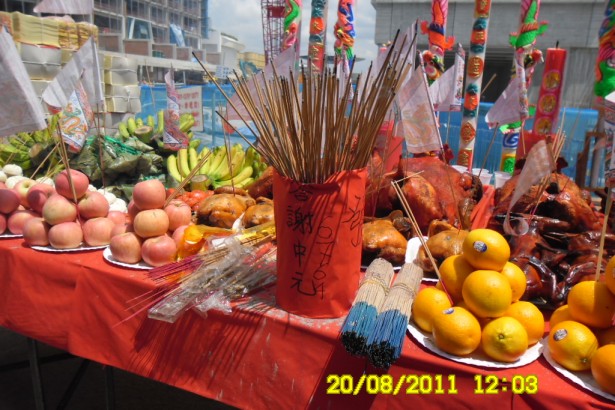
A dialogue between two generations of daughters-in-law on eco-friendly food customs
A dialogue between two generations of daughters-in-law: eco-friendliness, food and customs
-
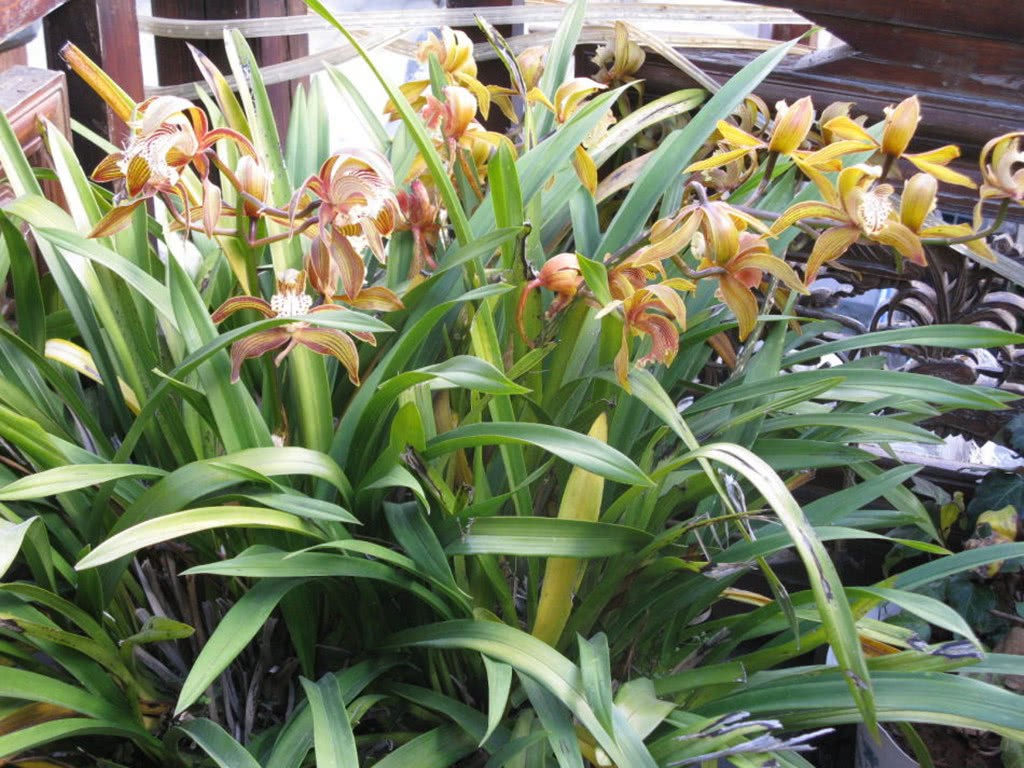
Should autumn orchid divisions keep three generations together? A farmer's practice proves this works better
Must autumn orchid divisions keep "three generations under one roof"? A farmer's practice tells you this works better. Growing orchids is a calm path of self-cultivation, and friends without a bit of patience really cannot manage it. Because orchids, as a highly ornamental...
-

Most corrupt officials are brought down by their mistresses; those who throw tantrums are all second-generation officials.
Great content, click below to watch more. To see more content, please click: Bonsai article summary and compilation! Like this article? Share it right away...
条件筛选