-

Colorful wheat brings high returns: one mu sells for the price of two mu
Growing colorful wheat: one mu sells for the price of two mu
-
US successfully isolates wheat Fusarium head blight resistance gene
US isolates wheat Fusarium head blight resistance gene
-
Fusarium toxins harm both wheat and human health
Fusarium head blight toxins damage wheat and harm people
-
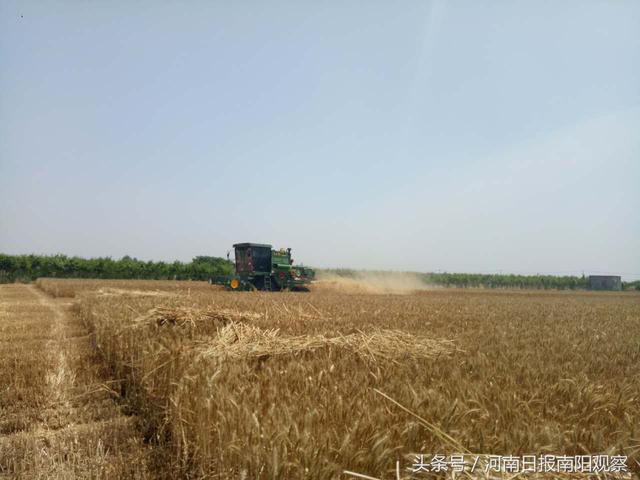
Colorful wheat becomes a good helper for farmers to get rich
Colorful wheat, a good helper for farmers to get rich
-
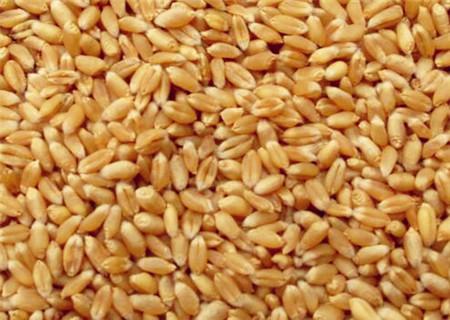
Future wheat price forecast analysis: Will wheat prices rise in 2018?
Future wheat price forecast analysis: Will wheat prices rise in 2018?
-
Henan's new colorful wheat varieties are nutritious and high-yielding
Henan's new wheat variety: colorful wheat is nutritious and high-yielding
-
Does applying chlorsulfuron to wheat fields affect cotton?
Chlorsulfuron is a sulfonylurea herbicide with high herbicidal activity, mainly used in wheat and flax fields to control annual monocotyledonous and dicotyledonous weeds. In China, it is currently restricted to use only in wheat fields in the wheat-rice rotation areas of the Yangtze River basin. It is not easily decomposed in soil, and its residual effect lasts up to 6 months. Crops such as cotton, peanut, soybean and vegetables are sensitive to this herbicide. When chlorsulfuron is applied to wheat fields and sensitive crops such as cotton are planted in the following crop, phytotoxicity of varying degrees will occur. In wheat fields where chlorsulfuron has been applied, it is best not to transplant cotton; other crops with strong tolerance can be planted instead.
-
Detailed Explanation of the Technical Key Points for Returning the Full Amount of Wheat Straw to the Field
Crop straw is an important by-product of crops. It is also an important production resource for agriculture and industrial production. Returning crop straw to the field not only avoids the environmental pollution problems caused by rotting and burning, and achieves feeding the land with the land itself, but also consolidates the foundation of soil fertility for greatly increasing soil organic matter content, improving soil structure, building up soil fertility, strengthening the quality construction of cultivated land, and raising crop yield and quality. In every agriculturally developed country in the world, great attention is paid to the scientific rationality of the fertilization structure and the
-
Introduction to the Longfumai 14 (formerly Longfu 93-127) wheat variety
Breeding institution: Crop Breeding Research Institute, Heilongjiang Academy of Agricultural Sciences. Variety source: F0 (Ke 86F6-545/Hei 85-1584) γ1.0Rad. Characteristics: spring type, late maturing, whole growth period 92 days. Seedlings erect, leaf color light green. Plant height 87 cm. Spike spindle-shaped (rectangular at the Labudalin site), awnless (tip-awned at the Keshan Wheat Institute site), white glume, red grain, hard texture. Average number of spikes per mu 372,000 spikes, grains per spike 26, 1000-grain
-
Longfumai No. 8 wheat variety (original name Longfu 90-83199)
Breeding institution: Crop Breeding Institute, Heilongjiang Academy of Agricultural Sciences. Approval status: approved by the Heilongjiang Provincial Crop Variety Approval Committee in 1998, and by the National Crop Variety Approval Committee in 2000. Variety approval number: Guoshenmai 20000011. Variety source: young ears of the pure wheat line K202 were used as explants, irradiated with cobalt-60 rays, and through in vitro induction and tissue culture, selected and bred. Characteristics: spring type, plant height about 100 cm, awnless, yellow glume,
条件筛选