-
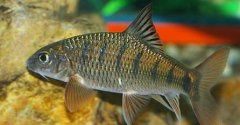
Latest Farming Techniques and Environmental Conditions for Freshwater Grouper
Freshwater grouper is rich in nutritional value and is a very special fish; it is not only economically valuable but also has ornamental value, and its farming scale is growing larger and larger, gradually becoming a new freshwater aquaculture species. Freshwater grouper is a tropical fish, generally growing in freshwater
-
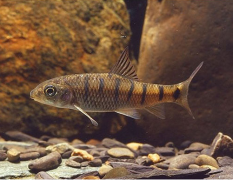
What Types of Freshwater Grouper Are There? A Detailed Guide to Farming Techniques and Market Prices
Do you know about grouper? Have you ever eaten grouper? This fish is very popular right now, did you know? This has also become the focus of many people raising grouper, so how do you raise grouper? What is the market price, and are the profits high? Let's take a look together.
-

Is the cutlassfish a freshwater fish or a saltwater fish? Learn about the cutlassfish's habitat in one article
The cutlassfish is a fish with extremely delicious meat, tender in texture, rich but not greasy, and loved by many people. So is the cutlassfish a freshwater fish or a saltwater fish? 1. Is the cutlassfish a freshwater fish or a saltwater fish? The cutlassfish is a freshwater fish. Every spring, from late February to early March, groups of individuals
-
Detailed Explanation of Freshwater Shrimp Farming Techniques and Management Methods
Summary Pond selection: The pond bottom should be flat, the water quality fresh, drainage and irrigation convenient, and water retention good, etc. Pond clearing: 20-30 days before stocking shrimp fry, drain the pond water and promptly remove excess silt, then disinfect with quicklime or bleaching powder. Aquatic plants: Plant alligator weed, tape grass and other plants on the pond slopes around the pond. Stocking: Release shrimp fry when the water temperature is stable above 20°C. Feed: Artificial feed combined with small trash fish and other fresh live feed. Water quality: Ensure sufficient dissolved oxygen. Management: Patrol the pond morning and evening, and actively prevent and control diseases.
-
A Detailed Explanation of the Key Points of Australian Redclaw Crayfish Farming Technology
Summary Pond conditions: The pond water quality must be fresh and rich in dissolved oxygen. Shrimp fry stocking: Before stocking, the pond must be dried and disinfected, and pests such as catfish and snakes must be thoroughly removed from the pond. Feed feeding: Feed small trash fish, river snails, shrimp compound feed, and so on. Daily management
-
Techniques for Pure Freshwater Farming of Whiteleg Shrimp
Abstract Stocking shrimp larvae: Select shrimp larvae that are highly active, strong in adapting to water, with a transparent body, no blackening on the gills, and with the black umbrella fully open, and stock them in a pond with a water temperature above 20°C. Strict desalination and nursery rearing: In the early stage of farming, the shrimp larvae must be gradually desalinated
-
Detailed Explanation of Key Technical Points for Freshwater Farming of Whiteleg Shrimp (Litopenaeus vannamei)
Abstract The most suitable water temperature for the survival of whiteleg shrimp is 28-32°C. Release them when the weather is clear or in the evening; the most suitable water temperature for releasing fry is 20°C or above. Select high-quality fry with good vitality, quick responses, and a transparent body. Before releasing them into the freshwater
-
Can seahorses be farmed artificially? Must seawater or freshwater be used?
Abstract: Seahorses can be artificially farmed. There are mainly two species used for artificial farming, namely the spotted seahorse and the great seahorse. To farm seahorses well, one must master scientific farming techniques, especially in regard to water quality control. The seahorse is a marine
-
How to Grow Pearls from Freshwater Mussels: A Detailed Guide to Farming Techniques
Summary Common freshwater mussels can hardly produce pearls. Generally, pearl mussels or triangle sail mussels (Hyriopsis cumingii) are chosen: nucleus insertion in the second year, mantle tissue implantation in the third year, and harvesting in the fifth year. 80-120 triangle sail mussels can cultivate about 500 grams of non-nucleated pearls. Farming method: single-suspension culture is preferable; the water environment for the mussels should be sunny and well ventilated, with a water depth of over 1m, no aquatic plants, a weak current, and neutral water quality. Prevent toxic sewage from entering the pearl farm, and keep the mussels in the water layer with the most abundant food.
-
How to keep freshwater jellyfish (Craspedacusta)? Are they poisonous? Explained clearly in one article
Summary Environment: Add seawater to the aquarium; for natural seawater, a jellyfish protectant needs to be added, and it should be left to settle for about 24 hours before use. For artificial seawater, add artificial sea salt to purified water at a ratio of 1:0.032; seawater salinity is generally 3.5%. Management: Starting from the 2nd day after entering the tank
条件筛选