-
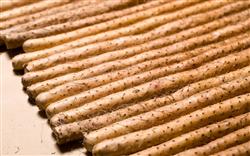
What Is Chinese Yam? A Detailed Explanation of Chinese Yam's Benefits and Effects
What is Chinese yam? What effects does Chinese yam have? Please give an introduction. Chinese yam is a twining herbaceous plant of the Dioscoreaceae family. Its original name was Shuyu. According to "Compendium of Materia Medica," because Emperor Daizong of the Tang Dynasty was named "Yu," in feudal times, to avoid naming taboo, it was changed to Shuyu, and later because Emperor Yingzong of the Song Dynasty was named "Shu," it was changed again to Shanyao (Chinese yam). Chinese yam includes wild and cultivated types; mountain-grown and flatland-grown, and so on. For medicinal use, mountain-grown and wild varieties are considered better.
-

What are the effects and benefits of mulching when growing garlic
What is the use of mulching when growing garlic
-

30% Daowudi Wettable Powder: Effects and Methods of Use
A herbicide specially for paddy fields, suitable for weed control in the middle and late stages in paddy fields, seedling-throwing fields, and direct-seeded fields. A single application can control barnyardgrass, various broadleaf weeds, and annual and perennial cyperaceous weeds throughout the entire growth period of paddy rice, making it an ideal herbicide for paddy fields. The suitable timing for use is when barnyardgrass is at the 2-3 leaf stage and broadleaf weeds have all emerged. Method of use: 50-60 g per 667 sq m, sprayed with 30 kg of water. At the time of application, the field should be kept moist, or evenly sprayed under a shallow water layer. However, the field
-
A Detailed Explanation of the Effects of Low-Temperature Cold Damage on Rice and Defensive Measures
Rice cold damage refers to the disaster in which rice is affected by low temperatures below the minimum critical temperature for growth, resulting in the inability of rice to grow and develop normally and thus causing reduced yields. Depending on the period of damage, it can be divided into delayed-type cold damage, sterility-type cold damage, and mixed-type cold damage. I. Types and Characteristics of Rice Cold Damage 1. Delayed-type cold damage: During the vegetative growth period of rice, and sometimes also during the reproductive growth period, the plant is harmed by relatively low temperatures over a longer period, which weakens the physiological activity of the rice plant, delays its development, postpones heading and flowering, and prevents full grain filling and
-
What are the effects and benefits of intercropping Corydalis yanhusuo with garlic
Garlic is a perennial herbaceous plant in the Liliaceae family, and is a familiar vegetable and medicinal material. Garlic contains volatile oils with a pungent taste and odor that have a strong antibacterial effect against many plant pathogenic fungi and bacteria. The pesticide "antibacterial agent 402", modeled on the synthesis of allicin, primarily has a protective effect on plants, and also has a certain therapeutic effect and systemic activity. It strongly inhibits spore germination and mycelial growth of many plant pathogens, and can effectively control downy mildew, as well as black spot, anthracnose, damping-off, red rot, and Fusarium wilt
-
Methods of Adding Garlic to Feed and Its Effects
Methods When adding fresh garlic in small amounts, peel the fresh garlic, mash it, chop it, or grind it into garlic paste with a meat grinder, then add it to the feed, mix thoroughly, and feed. When adding it in large amounts, first mix the fresh garlic (peeling not required) with the main ingredient of the feed (generally corn) in the required amount, then grind it. This neither affects the grinding effect on the active ingredients nor prevents the garlic from being evenly mixed into the feed. The addition ratio is 1%-5%. Adding dried garlic (residue) powder: Make garlic (residue, that is, the leftover material after steam distillation to extract oil) into dried powder
-
Four Effects on Rice After Exposure to High Temperatures
Rice has different temperature requirements at each growth and development stage, and there is an optimal temperature for each. If the upper or lower critical temperature limit is exceeded, abnormal phenomena, namely physiological disorders, will appear in the growth and development of rice. Therefore, attention should be paid to the effects of high temperatures on rice. 1. Effects of high temperatures on each growth stage of rice. 1. Heading and flowering stage. Generally, rice prefers a temperature of 25-30°C during the heading and flowering stage. When the temperature is below 25°C or above 30°C, large numbers of empty and shriveled grains will appear in rice. At the same time, high temperatures also
-
Malabar Spinach Pest and Disease Control Techniques and Its Benefits and Effects: Can Pregnant Women Eat It?
Malabar Spinach Pest and Disease Control Techniques
-
Can You Really Lose Weight by Eating Only Vegetables? An Analysis of the Long-Term Effects of a Vegetarian Diet for Weight Loss
Whether for health or for looking better, weight loss is always a timeless topic. To get better weight-loss results while also keeping the body from losing...
-
What are the 8 vegetables with significant blood sugar-lowering effects?
Besides taking blood sugar-lowering medication, dietary control and food therapy are also important auxiliary treatments for diabetes. According to domestic and international research, the following eight vegetables have...
条件筛选