-

How to choose fish medication? These are safe and effective
Dibromohydantoin is a compound disinfectant with a strong effect of killing bacteria and viruses, with a lasting efficacy. It can effectively prevent and treat bacterial or viral diseases in fish and shrimp, and is applied by splashing over the whole pond. Prevention: use once every 10-15 days, with a dosage of 0.1-0.2 grams per cubic meter of water; Treatment: a dosage of 0.2-0.3 grams per cubic meter of water, and if the condition is severe, use it once more after 2 days. Chelated copper has the characteristics of high efficiency and low toxicity. It not only retains the insect-killing and algae-inhibiting effects of copper sulfate, but is also far less toxic to fish and shrimp than copper sulfate, and its effectiveness is not easily affected by the water environment, making it a good substitute for copper sulfate.
-
How to effectively treat acute rheumatism in pigs
To prevent acute rheumatism in pigs, feeding management must be strengthened, strictly guarding against invasion by wind, cold and dampness, improving ventilation, and promptly removing manure, urine, sludge and muddy water from the pen to keep the floor dry and clean. Add thicker bedding, protect against cold and keep warm, and prevent bedsores. Treatment: (1) For each pig, use 20 to 50 milliliters of 10 percent sodium salicylate injection or compound sodium salicylate injection, intramuscularly, once a day, for 2 to 3 consecutive days. (2) For each pig, use 5 to 10 milliliters of compound aminopyrine injection, intramuscularly, once a day, for 2 to 3 consecutive days. (3) For each
-
How can sheep bot fly larvae disease be treated effectively?
Sheep bot fly larvae disease mainly affects sheep and goats. This disease mainly occurs from early autumn to mid-autumn. After infection, the sheep become restless, showing symptoms such as shaking the head, running around, and lowering the head to press the tip of the nose against the ground; some hide their heads under the bellies of other sheep. Treatment: (1) In early autumn, when adult flies fly and deposit larvae, an insecticidal ointment can be applied to the sheep's nose and nostrils once every 7 days to prevent adult flies from depositing larvae. (2) Spray 60 ml of 3% Lysol solution into the sheep's nostrils once a day for 7 consecutive days; the curative effect is excellent.
-
Analysis of the Causes of Chicken Immunosuppression and Effective Countermeasures
With the deepening of research on chicken health care, people have gradually come to clearly recognize the harmfulness and severity of the immunosuppression problem in chicken flocks. As far as chicken flocks are concerned, what exactly causes immunosuppression? 1 Causes of immunosuppression 1.1 Chickens contracting diseases that can cause immunosuppression In disease prevention and control work, the common infectious bursal disease, avian influenza, avian leukosis, Marek's disease of chickens, and so on are all diseases that severely attack the body's immune system and cause immunosuppression. For example, the main pathological feature of infectious bursal disease is usually attacking the bursa of Fabricius.
-
What herbicide is used to control rice barnyardgrass? Rongjie is a highly effective herbicide.
Rongjie is a rice field herbicide newly developed by Dow AgroSciences of the United States, with penoxsulam (25 g/L oil suspension concentrate) as its main ingredient. Years of trials and demonstrations have proven that Rongjie is particularly outstanding in controlling rice barnyardgrass, a vicious weed in paddy fields in Northeast China. In the rice fields of the Fushun area, there are two types of barnyardgrass: water barnyardgrass and rice barnyardgrass. Water barnyardgrass has no auricle or ligule, while rice barnyardgrass, though also lacking an auricle and ligule, has fine hairs on the internodes between the leaf and leaf sheath. In recent years, after conventional barnyardgrass-killing herbicides were applied in rice fields, water barnyardgrass has been effectively controlled,
-
How to effectively prevent and control common pests and diseases of Euonymus japonicus?
Euonymus japonicus, as an evergreen shrub, is one of the most commonly used landscaping plants in urban streets, squares, parks, institutional courtyards, and residential green spaces. Due to the large differences in its growing environment and relatively extensive management measures, the occurrence and damage of its pests and diseases are also relatively severe, seriously affecting the urban landscaping landscape. Investigating and studying the occurrence characteristics of the main pests and diseases of Euonymus japonicus can help formulate and implement prevention and control measures according to local conditions, achieving the goal of controlling damage and beautifying the environment. 1. Occurrence characteristics of main pests and diseases (1) Euonymus japonicus powdery mildew. Powdery mildew is a common
-
How effective is azadirachtin as an insecticide, really?
Neem - nature's insecticide. Neem has insecticidal and sterilizing properties and has long been used as a herbal medicine. But do you know its effects on insects, the residual activity of azadirachtin, the systemic action of azadirachtin, the efficacy of azadirachtin products, and so on? If not,
-
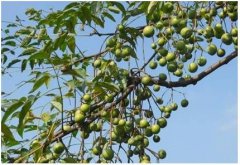
How effective are neem seed extract and neem oil as insecticides?
Have you heard of neem plant insecticide? This is an insecticide made from insecticidal compounds extracted from a plant. The development and use of neem plant insecticide seems to have become a worldwide trend. In Thailand, I saw that some places already use neem as street trees, and flower markets everywhere
-

What to do when Clivia leaves turn yellow? Effective prevention and treatment tips
A reader asks: what to do when Clivia leaves turn yellow, and how to prevent Clivia leaves from turning yellow? Clivia leaves turning yellow generally occurs in several situations. If the bottom leaves turn yellow because new roots grow from the leaf axils, this is normal metabolism. In another situation, no new roots grow from the leaf axils but the leaves turn yellow
-

What are the effects and uses of cockscomb? High medicinal value, extremely effective for gynecological diseases
Cockscomb is a flower native to tropical regions. Over time it has been introduced and cultivated by countries around the world, and today it can often be seen in our country as well. Although cockscomb is grown in many countries, very few people truly understand what its uses are
条件筛选