-

Is Scots pine easy to grow? Detailed planting methods and precautions
During the long winter, there is a tree in the botanical garden that, like the black bark Chinese pine, can display green for the entire park. In appearance, the trunk is brownish yellow, and the tree body is straight and upright, showing no dullness at all against the winter backdrop. What is mentioned above is the Scots pine (Pinus sylvestris var. mongolica), which is both cold-resistant and long-lived. The Scots pine is an evergreen tree, mostly originating
-

Which is easier to grow, the lotus or the purple magnolia? A detailed explanation of the differences between the two
The world is vast and full of wonders; people can look alike, and so can flowers and plants. Among them, even veteran gardeners find it hard to tell apart two plants: the lotus and the purple magnolia. So how can you quickly distinguish these two plants in the flower market? Let's take a closer look below. Although the lotus and the purple magnolia do not belong to the same family
-

Which flowers are the easiest to root from cuttings during Major Snow? A detailed guide to winter care methods
As December arrives, the cold winter is striding in, snow falls heavily, and all things seem to have entered a deep sleep. Yet for veteran gardeners, this is actually an excellent time for cuttings, because low temperatures not only inhibit bacterial growth but also reduce the risk of branches rotting, while the winter period can also help the plant store up large amounts of nutrients.
-
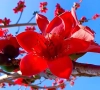
Detailed Explanation of Why the Silk Floss Tree Has Thorns and Its Blooming Time
Hello everyone, today I will give you a thorough introduction to the silk floss tree. The silk floss tree, also known as the beautiful silk floss tree, beauty tree, or wine bottle silk floss tree, is a deciduous tree in the Malvaceae family, genus Ceiba. It is native to Brazil and Argentina in South America, and later widely cultivated around the world, especially in Guangdong, Guangxi, Fujian, Hainan and other places in our country. The silk
-
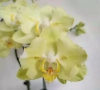
How Big Are the Flowers of the Phalaenopsis Ferrara? A Detailed Guide to Home Cultivation Methods
Today I want to share with you a "hidden gem" among phalaenopsis orchids: the Ferrara Anthura European variety! It is truly super tough and easy to grow, and even if you are a complete beginner at growing flowers, you can handle it with ease. The flower shape is huge, with a flower diameter of about 9.5 cm, and when in full bloom it is truly elegant and noble, with a commanding presence. Moreover, the unique wavy edges on its petals are simply
-

Why is the daylily called the mother flower? Detailed planting methods and precautions
Today we introduce a herbaceous plant that symbolizes motherhood, and that is the "daylily." It is native to southern China, mainly in the moist ravines of the Qinling Mountains at altitudes of 300 m to 2500 m. The reason it is praised as the flower of mothers comes from the plant's own love of moist environments. In ancient times, houses facing south were relatively
-
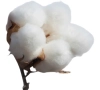
When Is the Best Time to Sow Cotton? A Detailed Guide to Planting and Care Precautions
Today let me introduce cotton, something common in our daily lives yet not very well understood. Cotton is an important cash crop; its fiber is soft and white, and it is the main raw material of the textile industry. Much of the clothing we wear and the sheets and duvet covers we use would not exist without it. The cotton plant is generally 1-2 m tall, with an upright stem,
-

How Cold-Tolerant Is Saffron Crocus? Detailed Guide to Growing Methods and Precautions
Today we introduce a very famous flower, one that embodies expensiveness, and it is also one of the most precious spices in the world; in traditional Chinese medicine it is called fanhonghua (saffron). Saffron crocus is native to the Mediterranean and southern Europe regions, and was later successfully cultivated on a large scale in Shanghai and Zhejiang; generally speaking, in the flower market it is mostly grown as a potted plant.
-

What are the differences between camellia and sasanqua? A detailed explanation of their growing environment differences
People can look alike, and plants in nature are even more so, especially plants of the same genus, which are the easiest to confuse. Among them, sasanqua and camellia are always mistaken for the same plant, since their names are similar and their leaves look similar too, making them easy to mix up. So how do you quickly tell them apart in daily life?
-

Is Allium giganteum annual or perennial? Detailed planting method and timing
Allium giganteum is not only prized for its huge flowers and brilliant colors, but also draws much attention for its growth habits and planting method. Below is a detailed answer to whether Allium giganteum is an annual or perennial plant, along with its planting method and the best planting time. Allium giganteum is not an annual plant, but a perennial bulbous flower. This means that once
条件筛选