-

Will Frequent Watering Kill a Phalaenopsis? Understanding the Dangers of Overwatering
Do gardening friends always feel that watering flowers is a form of love? Especially for the delicate Phalaenopsis (moth orchid), you just can't resist giving it a little extra water? Stop right there! Frequent watering may be slowly murdering your precious orchid! Today let's talk about why Phalaenopsis can't be watered too much, and just how much harm overwatering really does to the plant. Phalaenopsis and ordinary flowers and plants
-

How to choose a budding stimulant for Phalaenopsis orchids? You need to know the dangers of overuse
Friends who grow Phalaenopsis orchids surely want their plants to sprout lots of new shoots, and that's when they start wondering: which budding stimulant is actually reliable? And will using too much cause problems? First, let's talk about choosing a budding stimulant. What's common on the market now, like cytokinin-type budding stimulants, is quite popular, since they can stimulate the growth of Phalaenopsis bud points and make the original
-

When Should You Not Water Plants in Winter? The Dangers of Overwatering Are Not to Be Underestimated
In winter, as temperatures gradually drop, many flowering plants enter a dormant period. At this time their metabolism slows down, and their demand for water and nutrients decreases greatly. Therefore, when caring for plants in winter, watering becomes an issue requiring special attention. The following are five situations in which you must absolutely not water your plants,
-

Detailed Explanation of the Endangered Causes of the Elephant Ear Orchid and Its Division Propagation Method
The elephant ear orchid, a rare species among orchids, is currently in an endangered state, and the reasons behind this deserve our in-depth discussion and reflection. First, excessive collection by humans is one of the key factors leading to the endangerment of the elephant ear orchid. This unrestrained collection has greatly reduced the population of the elephant ear orchid in its natural environment.
-
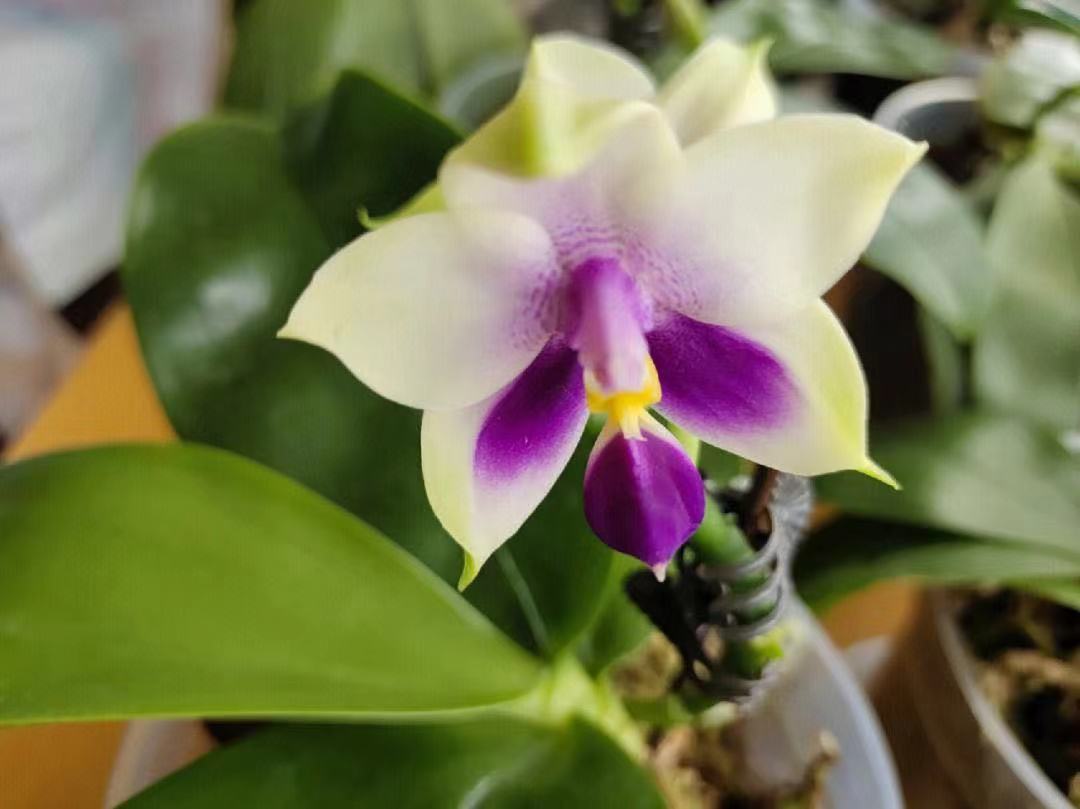
What are the reasons for the endangerment of Elephant-ear Orchid?
The Elephant-ear Orchid, as a rare species among orchids, is currently in an endangered state, and the reasons behind it deserve our in-depth exploration and
-
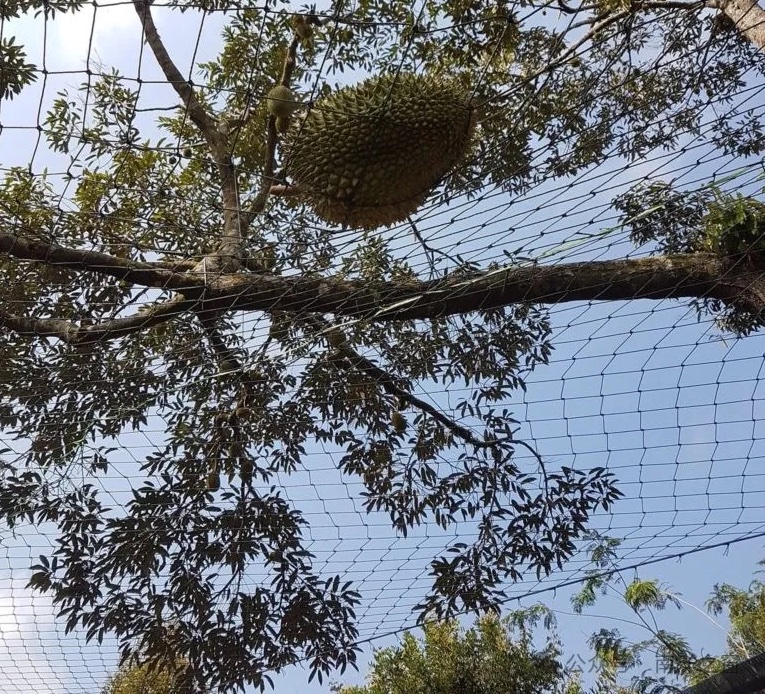
Distribution of durian varieties in Malaysia, Musang King/SULIAN/BLACK THORN/ UDANG MERAH
The king of fruits, durian, in Malaysia, also holds an unshakable position in Southeast Asia, such as Malaysia, Thailand, Singapore, and even in China. As the
-

The 11th case this year! Endangered green sea turtle strays and strands, coast guard rescues immediately, keeps it moist and temporarily shelters it
The Yuanli Inspection Station of the Third Coastal Patrol Corps under the Central Branch of the Coast Guard Administration received a report from the public on the 27th that a live green sea turtle was stranded on the beach along the coast of Chushuili, Miaoli County. Coast guard personnel went to the scene to handle the situation and also contacted staff from National Taiwan Ocean University and the Fourth Marine Conservation Work Station of the Ocean Conservation Administration to assist on site. Later, personnel from National Taiwan Ocean University took the green sea turtle back for care.
-

Protect the habitats of endangered species such as the leopard cat, and get paid for it! Covering 2,000 hectares, payments for not using herbicides or poisoned bait
Protect the habitats of endangered species such as the leopard cat, and get paid for it! Covering 2,000 hectares, payments for not using herbicides or poisoned bait
-
Overuse of antibiotics in livestock farming endangers human health; Taiwan, China responds to OIE Antibiotic Awareness Week
Overuse of antibiotics in livestock farming may endanger human health; OIE "World Antibiotic Awareness Week"; Taiwan, China declares its response
-
A Full Analysis of the Dangers, Symptoms and Treatment of Schistosomiasis
Schistosomes are parasites whose adult worms live in the blood vessels (portal-mesenteric venous system) of humans and many kinds of mammals. In the human body, schistosomes live an average of 4.5 years, with a maximum lifespan of 46 years. So what dangers do schistosomes pose to the human body? What
条件筛选