-
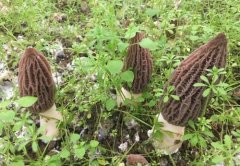
Morel Cultivation Techniques Explained: Growing Methods and Growing Conditions
What benefits do morels have? Why do so many people grow morels? And how do you grow morels? Want to know? Let's find out together. According to tests, every 100 grams of morels contains 28.1 grams of crude protein and 4.4 grams of crude fat, along with as many as 20 amino acids
-

What are the cultivation conditions for Agrocybe aegerita? Detailed explanation of the growing environment requirements
Cultivation conditions for Agrocybe aegerita
-

What conditions are needed for the growth and development of straw mushrooms?
1. Nutrition Straw mushroom is a saprophytic fungus that does not contain chlorophyll and cannot carry out photosynthesis to synthesize the nutrients it needs, so these must be supplied from outside. The nutrients required by straw mushroom are mainly carbohydrates and nitrogen-containing compounds. Carbohydrates mainly include sugars such as glucose, sucrose, maltose, starch, hemicellulose and cellulose. Organic nitrogen compounds mainly include peptone, amino acids and urea; inorganic nitrogen compounds include ammonium sulfate and ammonium nitrate. It is generally considered that the carbon-to-nitrogen ratio during the vegetative growth stage
-
What environmental conditions does straw mushroom (Volvariella volvacea) need to grow?
1. Temperature: Straw mushroom is a high-temperature type agaric mushroom. The temperature required for spore germination is 25-45°C, with 40°C being optimal; above 45°C or below 25°C, germination cannot occur. The temperature range that straw mushroom mycelium can adapt to for growth is 20-40°C, and the most suitable temperature for growth is 35-36°C; at this temperature, the mycelium grows fastest. Below 15°C or above 42°C, the mycelium grows slowly, stops growing at 10°C, and dies quickly below 5°C. The suitable temperature for fruiting body development is 28-32°C
-
What kind of growing environment suits Angelica sinensis? Detailed planting conditions
Angelica sinensis is an alpine plant that requires cool, humid climate conditions. It is fond of fertilizer and afraid of waterlogging and high temperatures. When cultivated in low-altitude areas, it struggles to survive the summer, and dies easily when temperatures are too high. Seeds germinate well within the range of 10-25°C, with seedlings emerging in 10-15 days. Angelica sinensis exhibits early bolting, which should be prevented in production; generally, seedlings are raised and then transplanted, and the roots can be harvested in the third year.
-
Analysis of Off-Season Shiitake Mushroom Production and Market Conditions
1. Off-season shiitake mushrooms are produced during the high-temperature season from May to October using natural conditions such as mountain caves and civil air defense structures, or facilities such as constant-temperature cold storage. Nowadays, off-season cultivation is mostly carried out in existing cold storage (constant-temperature warehouses) or ordinary greenhouses using cooling equipment. The technical key points are: 1. Facility preparation: For an ordinary edible mushroom greenhouse, after completing spring production, immediately clean up, remove the original mushroom bags, clean the interior of the greenhouse, check and repair the greenhouse film, spray an appropriate amount of medication for sterilization, then build
-
What Is Improved Rice Seed? A Detailed Guide to Selecting Seed Varieties Adapted to Local Conditions
Improved rice seed has relatively stable, specific heredity, as well as relative biological, economic and morphological uniformity. In a specific region, under specific cultivation conditions and within a specific period, it meets production needs in terms of yield, maturity period, quality and adaptability. Besides possessing the basic qualifications of a variety, improved rice seed must also have advantages such as high and stable yield, excellent grain quality, disease resistance, insect resistance and strong stress resistance. A good rice seed should include 3 aspects: first, it must have high yield, high quality,
-
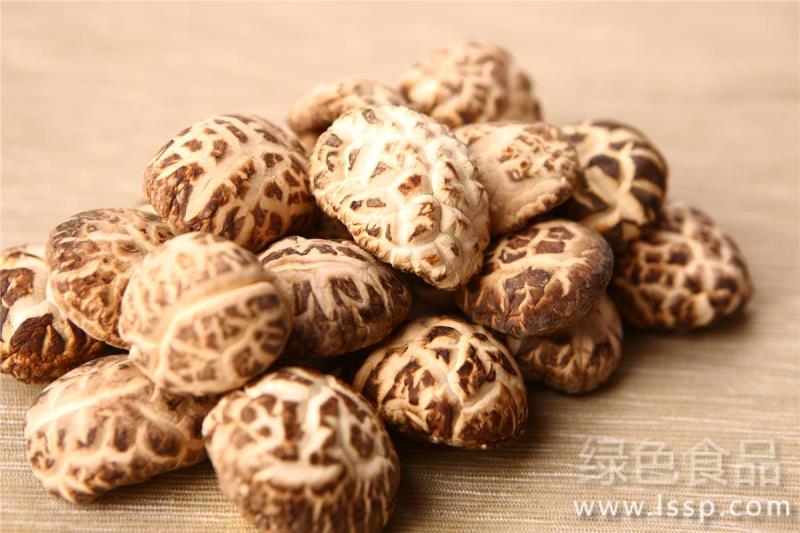
How to artificially create and rationally utilize the cultivation conditions for flower shiitake
Artificial creation and rational utilization - the cultivation conditions for flower shiitake
-
What are the suitable environmental conditions for the growth of Panax notoginseng?
1. Temperature: Temperature is the main factor affecting the normal growth and development of Panax notoginseng. It requires warm winters and cool summers, with small temperature differences across the four seasons, and an annual average temperature of 18-19°C is ideal. 2. Moisture: The growth and development of Panax notoginseng require a moist environment; it fears both drought and waterlogging. Soil moisture should generally be maintained at 25%-30%, and the relative air humidity should ideally be 70%-80%. 3. Light: Panax notoginseng is a shade-loving plant, sensitive to light, and avoids direct sunlight. Its growth and development require a cool, shaded environment with weak sunlight. Therefore, cultivation requires building
-
Key Technical Points for Scientific Management of Soybeans Adapted to Seedling Conditions
Liang Huizhen, associate researcher at the Cash Crop Research Institute of the Provincial Academy of Agricultural Sciences, said that at present most areas of our province's soybeans are at the flowering and podding stage, which is the period of greatest nutrient and water uptake and also the peak period of root nodule nitrogen fixation. The main goal at this stage is to promote more flowering and more pod setting, prevent premature senescence, control excessive vegetative growth, increase flowers and preserve pods, reduce shedding, and lay the foundation for a high yield. Due to the tight time schedule at sowing, summer soybeans often receive no or little basal fertilizer, and by the time the soybeans set pods, nutrient deficiency occurs, so flower and pod fertilizer should be applied promptly. At
条件筛选