-

Common symptoms of silkworm poisoning and prevention methods
Pesticide poisoning: 1. The pesticides that commonly cause silkworm poisoning fall into several major categories, including organophosphates, organonitrogens, pyrethroids and botanical insecticides. Various pesticides enter the silkworm body through contamination of mulberry leaves, rearing rooms and rearing tools, and the air, and cause poisoning when the silkworms eat them, breathe them in through the spiracles, or come into contact with them. 2. After pesticides enter the silkworm body, three effects may occur: activation, accumulation and detoxification. Most pesticides can accumulate or become activated and cause silkworm poisoning. The common symptom of poisoning by all kinds of pesticides is a sudden stop in feeding on mulberry leaves. Also, because the chemical drugs differ in composition and structure and have different properties,
-
Common problems in potato production and their solutions
Zhaosu is located in the northwest border region, at an altitude of 1720-1860 m, with a short frost-free period and a cool mountainous climate. With the adjustment of the industrial structure, potato has become the main crop of our regiment. 1. Existing problems 1. Climatic effects From April to early May 2007, due to high temperatures and dry soil, potato emergence was difficult and seed potatoes shriveled. After emergence, there was abundant rain, causing seed rot and missing plants with gaps in the rows. 2. Poor quality of seed potatoes In 2007, seed potatoes suffered from rot, disease and damage. When cutting seed potatoes, diseased tubers were not strictly removed
-
Common Problems and Solutions in Potato Production
Suihua City is a major potato-producing city, with a perennial planting area stable at around 1.5 million mu, and the quality of potato production is of great significance to agricultural production. In order to achieve high quality, high yield and high efficiency in potato production, and to help farmers achieve the goal of continuously increasing their income, I have summarized and analyzed the problems that frequently occur in potato production in our city over the years and their causes, and put forward corresponding solutions. I. Problems that frequently occur in production and their causes 1. Potato blight Potato late blight is a major disease in potato production in our city,
-
Detailed Explanation of Common Diseases in Salmon and Trout and Their Prevention Methods
Salmon and trout are major cold-water fish species cultured worldwide, generally raised through relatively intensive farming methods, which makes various fish diseases prone to outbreaks. These mainly include viral fish diseases, bacterial and fungal fish diseases, and parasitic fish diseases. I. Viral Diseases 1. Infectious Pancreatic Necrosis Pathogen: The pathogen is infectious pancreatic necrosis virus. Transmission routes: Vertical transmission: eggs and milt of virus-carrying broodstock; horizontal transmission: feces, urine, and secretions of diseased fish introduce the virus into the water
-
Analysis of Common Misconceptions About Soaking and Disinfecting Eel Fry
In many years of fishery production, aquaculture technicians have accumulated rich farming experience. Soaking fish fry in salt water for disinfection is one of the traditional practices of farmers in various regions. However, aquaculture experts in China and some eel farmers have found in practice that the method of soaking and disinfecting fish fry in salt water, which is widely used for other fish species, is not suitable for use in eel farming. In early 2000, based on experiments, a scholar put forward the view that "using salt water to disinfect eels is unsafe." The experiment showed that after using salt water to disinfect the body of
-
Common Vitamin Deficiency Symptoms and Treatments in Pigs
Main symptoms of vitamin A deficiency: When pigs lack vitamin A, they often show inflamed eyes, cloudy corneas, dry and withered ear tips, poor appetite, dull coat color, weight loss, and bumping around blindly at dusk; pregnant sows may show miscarriage symptoms, and newborn piglets are difficult to keep alive. Treatment: Promptly add 5-10 ml of livestock cod liver oil to the feed. In severe cases, inject 5 ml of vitamin AD injection, once every 5 days. Increase feeding of green, juicy feed or carrots. Vitamin deficiency
-
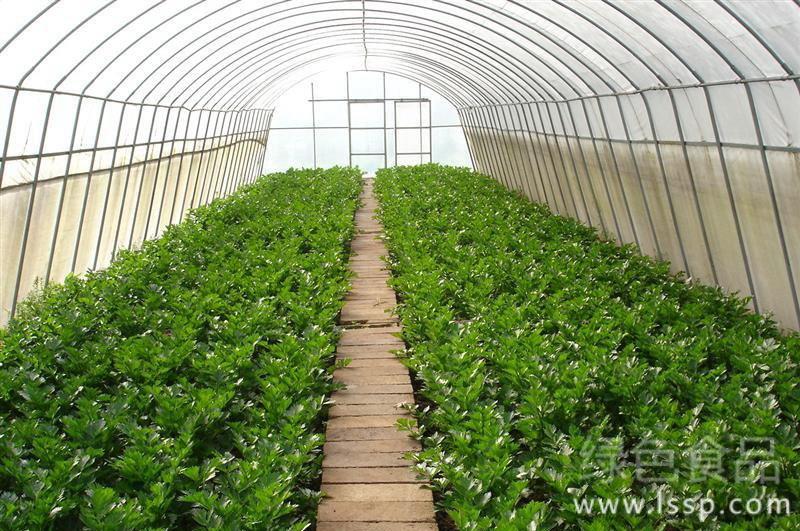
Six common mistakes to avoid when changing greenhouse film, vegetable growers should steer clear of them
Six common mistakes vegetable growers make when changing greenhouse film
-
Panax notoginseng is a common medicinal flowering plant
I. Source: It is the plant Panax pseudo-ginseng Wall. of the Araliaceae family. Also known as Tianqi and Jinbuhuan. The root and rhizome are used as medicine. It is a precious Chinese medicinal herb with over 400 years of application history. Panax notoginseng was included in the 1990 edition of the Pharmacopoeia of the People's Republic of China. It was first recorded in the Compendium of Materia Medica, which states: "The taste is slightly sweet and bitter, quite similar to the taste of ginseng, ... Jinbuhuan, ... whenever there is injury from beating or blood stasis dripping, chew it up immediately and apply it and it stops, and the bruising
-
What Types of Physiological Deformities Occur in Mushrooms? A Full Analysis of Common Types
Mushroom deformities are mostly triggered by temperature differences or unfavorable environmental conditions; they may also be related to the strain used. The common deformed mushrooms mainly include the following types: 1. Hollow stipe. From the outside the mushroom looks normal, but when the base is cut off, part of the stipe is found to be hollow, usually with a ring-shaped cavity around a hard core. Afterwards, the cut surface of the stipe may split and curl backward, making the mushroom poor in appearance and reducing its marketability. Cause: This is mainly caused by low air humidity during the fruiting period, rapid evaporation of water from the mushroom body, and overly dry casing soil,
-
A Detailed Guide to Common Geranium Diseases and Their Control Methods
The main diseases of geraniums include: ① Leaf spot disease. In the early stage, needle-tip-sized, round or irregular small brown spots appear on the leaves, which gradually expand into dark brown or reddish-brown lesions. In severe cases, the entire leaf is covered with lesions until it dries up and falls off; the stems and branches also turn black, shrink and rot, and even the leaves on the stems wither and die, leaving only a few leaves at the top. Preventive measures: a. When cultivating in a greenhouse, do not plant too densely, and pay attention to frequent ventilation and light exposure; b. When watering, avoid pouring water onto the plants and avoid splashing water droplets
条件筛选