-
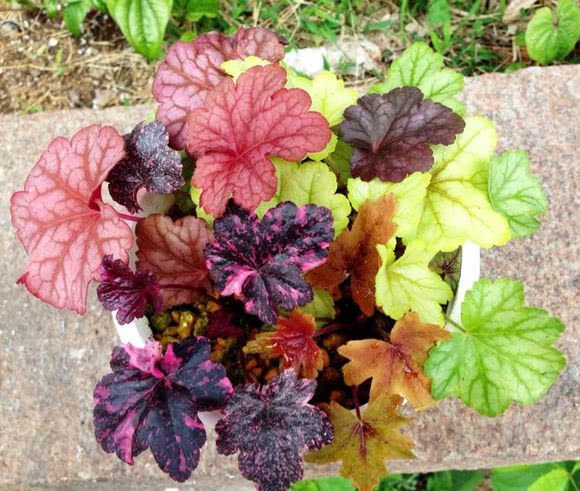
This flower has colorful leaves, and the key point is that it is especially easy to grow, so it would be a pity to miss it.
Recently, Huahua has been won over by a kind of potted plant, and wishes she could grow a few more pots at home, so there would be no need to go to the trouble of choosing ornaments. Yes, it is heuchera. Its leaves can be even more stunning than flowers, just like an overturned palette...
-
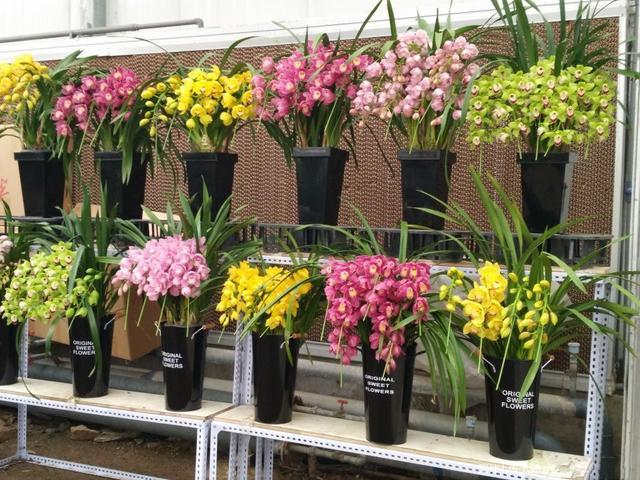
The easiest orchid to grow: big, colorful flowers, rich fragrance, long blooming period, blooms every year, and very cheap
Introduction: Potted green plants are essential decorative touches for home life. Keeping some flowers and plants at home has many benefits: it beautifies your living space and lifts your mood. "Flower Sound Potted Plant Diary · Issue 1405" introduces you to an orchid suitable for beginners....
-

Colorful rice transplanting kicks off early: 2019 Pingtung Hot Expo twin pigs light up to welcome the Year of the Pig
The painted rice field of the 2019 Pingtung Tropical Agriculture Expo has begun transplanting! On the morning of the 3rd, at the Tropical Agriculture Demonstration Park, Pingtung County Magistrate Pan Meng-an led students from Qingshan Elementary School and guests in planting rice seedlings of hope together, warming up ahead of the 2019 Pingtung Tropical Agriculture Expo to be held from January 29 to February 17, 2019...
-
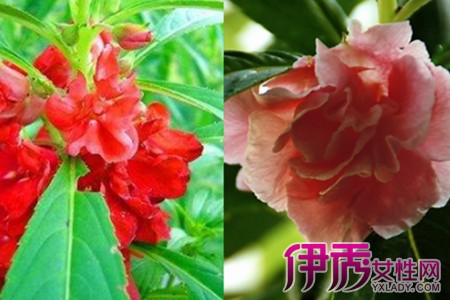
How to grow impatiens? Grow them this way to make your home flowers colorful and varied
Impatiens bloom very beautifully, and many people want to grow them at home. But the impatiens bought from stores rarely live long, so these friends really want to know whether impatiens can be grown by themselves. Today we will talk about how to grow impatiens
-
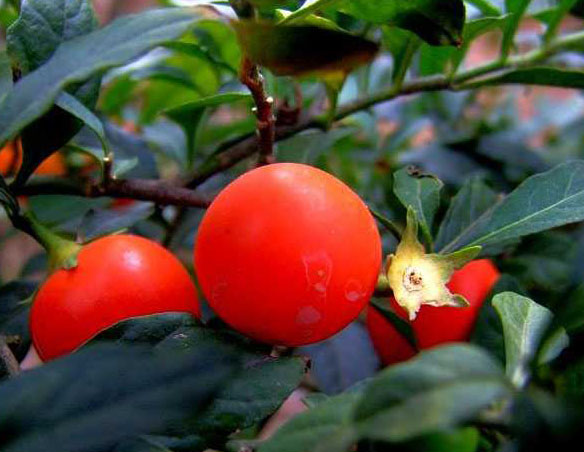
What conditions are needed for the Jerusalem cherry to have bright, colorful fruit?
The Jerusalem cherry, also known as coral cherry, lucky fruit, coral seed, coral bean, jade coral, red coral, wild chili, wild sea pepper, false winter cherry, and four-season fruit. It is an upright small shrub in the Solanaceae family. Its leaves are oblong or oblanceolate. The flowers are solitary or clustered in the leaf axils, with a white corolla. The fruit is spherical, turning red or yellow when ripe.
-

Unique and Colorful: A Brief Discussion of Butterfly-Type Floral Art in Chinese Cymbidiums
The "butterflies" among Chinese orchids, in all their myriad forms, have formed one of the most captivating groups in Chinese cymbidiums, collectively known as "Chinese Cymbidium Butterfly-Type Floral Art." Concept: In the flowers of Chinese cymbidiums, if 2 sepals (lateral sepals) or 2 petals (petals) undergo partial or complete mutation into a lip, then the flower colors of this type of orchid become richer and more varied. Usually the lip-transformed perianth segments bear colors such as green, white, red, and pale yellow. These mutated perianth segments curl backward or outward at the tip just like a lip (labellum), and their shape and color resemble butterfly
-
Introduction to the Characteristics of Colorful Mini Eggplant Varieties
Colorful mini eggplant, also known as gold-and-silver fruit, gold-and-silver eggplant, color-changing eggplant, colorful eggplant, pellet eggplant, cherry eggplant, pocket eggplant, mini small eggplant, etc., belongs to the Solanaceae family, Solanum genus, a perennial shrub-like herbaceous plant. It combines edible and ornamental value in one and is a rare advantageous variety of specialty vegetable today. We have incorporated various aspects of modern science and technology into it. Not only is it delicious and rich in nutritional and health benefits, but its young fruit is as white as silver with a smooth surface, as exquisite and lovely as a sparrow's egg; when the fruit is approaching maturity, the skin appears to have a natural wax
-
Golden Privet: Introduction to a New Colorful-Leaf Plant Variety
Golden Privet: also known as Howard's privet, Ligustrum japonicum 'Howardii', a new colorful-leaf variety in the Japanese privet series. Evergreen shrub or small tree; leaves leathery, thick, with a fleshy feel; new leaves in spring are bright yellow, turning golden yellow by winter, and some new leaves have cloud-like light green patches along both sides of the midrib or locally on one side, with bright and pleasing colors; internodes short, branches and leaves dense. The original species is distributed from west of Kanto in Japan, Honshu, Shikoku, Kyushu, and Taiwan, China. It likes light, is drought-tolerant and cold-tolerant, and can grow in acidic,
-
Selection of Greenhouses for Colorful Bell Peppers and Key Cultivation Techniques
The colors of colorful sweet peppers include red, golden yellow, purple, light purple, cream yellow, and others. The fruit shape is square and large, the skin is smooth, and the flesh is thick, with flesh thickness reaching 5 to 7 mm, single fruit weight 200 to 400 grams, and a maximum of up to 500 grams; the taste is sweet and crisp, the nutritional value is high, and it is suitable for eating raw. Colorful sweet peppers are tolerant of low temperatures and weak light, and have a long growth period. In recent years, China has introduced colorful sweet peppers from countries such as the United States, the Netherlands, and Israel, planting them in the suburbs of Beijing, Shanghai, and other cities, with good results, and they have developed rapidly nationwide. The greenhouse cultivation techniques are now
-
What kind of colorful-leaf tree is the golden-leaf honeylocust?
Golden-leaf honeylocust (Gleditsia triacanthos 'Sunburst') is a plant in the genus Gleditsia of the family Caesalpinioideae. A broadleaf deciduous tree, it grows rapidly and has no branch thorns; the young leaves are golden yellow, the mature leaves light yellow-green, and in autumn they turn golden yellow. Its branches spread out gracefully, giving it a beautiful form, and it does not produce fruit. The honeylocust has strong adaptability, prefers light but tolerates slight shade, drought and cold, and can withstand low temperatures of around -25°C. It likes a warm, humid climate and deep, fertile, appropriately moist soil
条件筛选