-

How to Grow Bird's Nest Fern in Water? Master Temperature, Light, and Water Change Techniques
How to grow bird's nest fern in water? This article introduces the key care points for water-cultured bird's nest fern, including how to select plants and wash the roots, temperature and light requirements, misting and moisture retention techniques, adding nutrient solution, and water change frequency, to help you easily grow a bird's nest fern with glossy green leaves.
-
What animal is the "chong" in "wolf, chong, tiger, leopard"? Common knowledge about fierce beasts in old rural sayings
"Wolf, chong, tiger, leopard" was a general term in ancient times for fierce wild beasts. The "chong" here is not an insect, but refers to venomous snakes and pythons; in many dialects, snakes are simply called "changchong". This article explains clearly what animal each of the four characters refers to, and includes practical reminders for preventing animal and snake encounters when working in the fields in rural areas.
-
Key Points for Buying and Using Changchai WP/WPL Irrigation and Drainage Pump Units
The Changchai WP/WPL series pump units are common irrigation and drainage machinery. This article introduces their selection points, correct methods of use and routine maintenance techniques to help farmers improve irrigation and drainage efficiency. Unit prices vary by region and configuration, and subsidies are subject to what the local agricultural machinery department publishes.
-
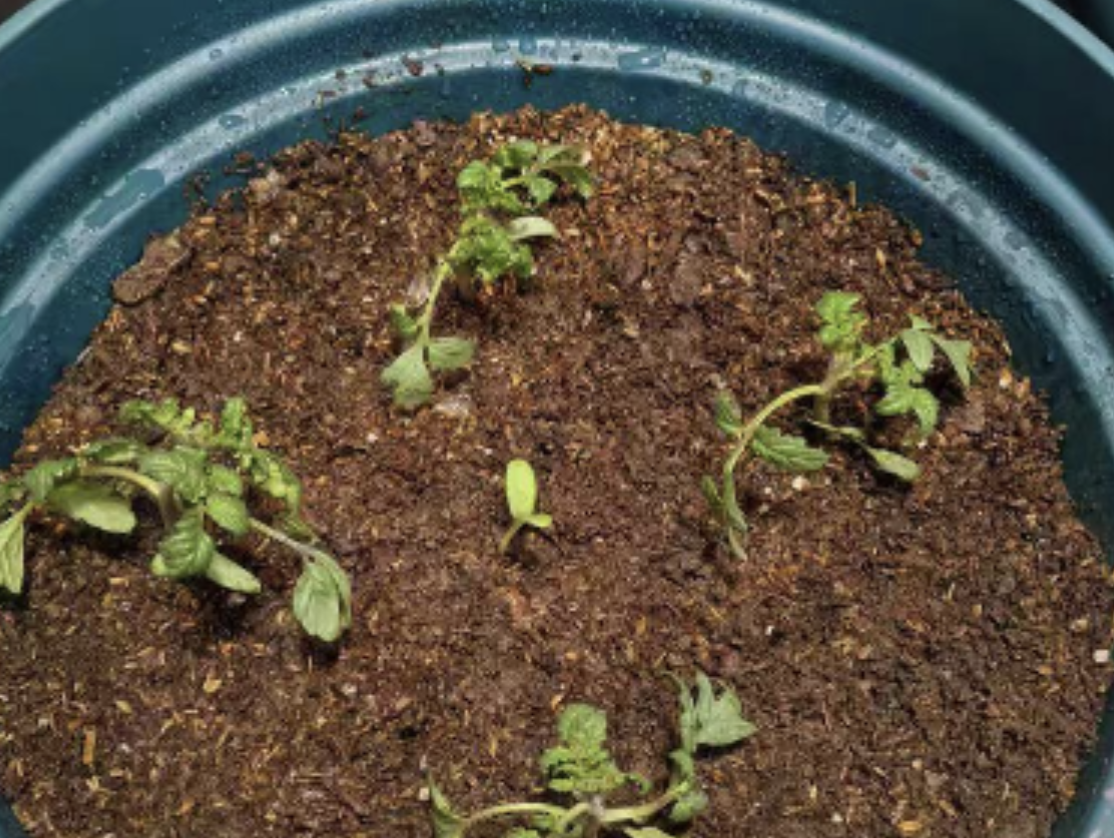
Is it okay to change the pot when the tomato plant is flowering?
Can you transplant tomatoes when they are flowering? This is a question that many beginner gardeners are particularly concerned about. We all know that the
-

Detailed steps for repotting and changing the soil of a Phalaenopsis orchid: what do you do when the roots are too long to fit into the pot?
"You can't repot a Phalaenopsis orchid well without a few tricks." This remark comes from a shop owner with years of experience, because having a professional repot it costs 25 yuan each time. Is this just the owner's smooth talk to make money, or is it really true if you try it? The editor can say responsibly that the answer is actually half and half.
-
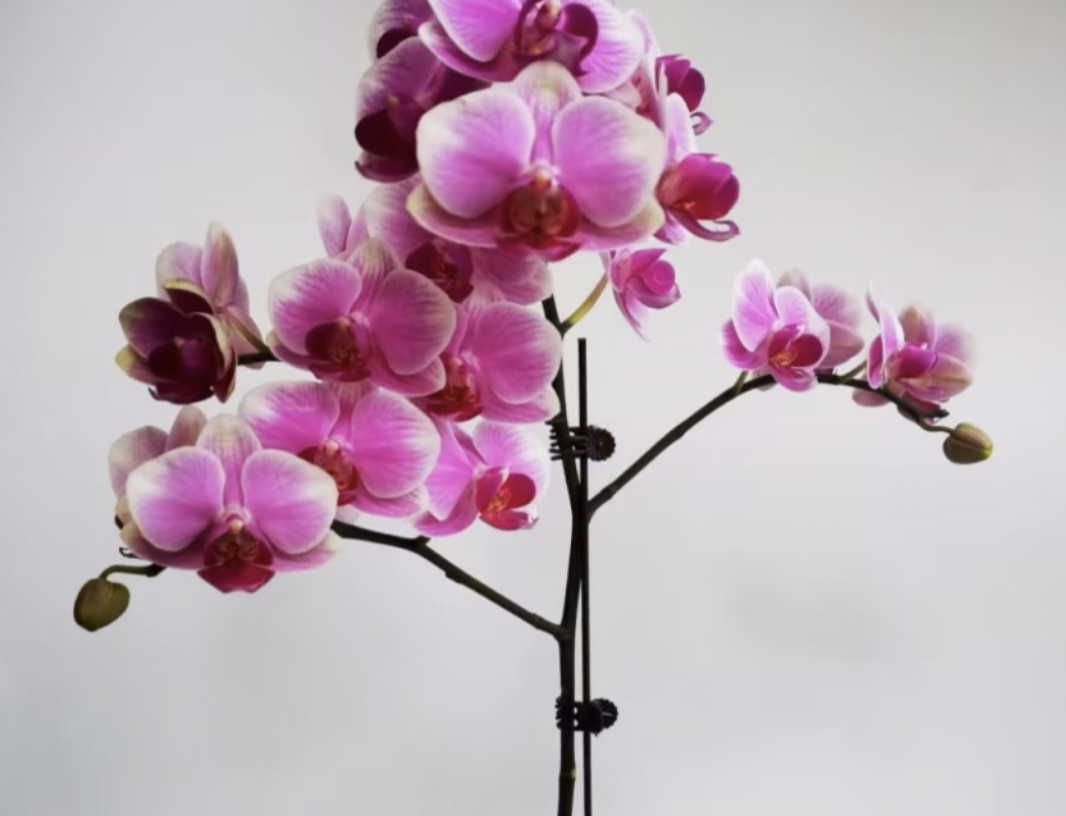
What pot size is suitable for repotting a Phalaenopsis orchid, and how do you change its medium and pot?
Generally speaking, when a Phalaenopsis orchid’s condition suddenly declines, aside from improper daily care, the cause may also be compacted potting medium.
-

What pot size in centimeters is suitable for repotting a Phalaenopsis? A detailed guide to the soil and pot changing method
Generally speaking, when a Phalaenopsis's condition suddenly takes a nosedive, besides improper daily care, it may also be because the medium in the pot has become compacted, and the media commonly used for orchids include sphagnum moss and bark. When sphagnum moss becomes airtight, it easily develops mold and a foul smell inside, and the roots get dragged into it too
-

How high should the water level be for hydroponic Phalaenopsis, and how should the water be changed?
Friends who have grown potted Phalaenopsis have probably also thought about trying hydroponic care, because it looks simpler, and when placed in the living room, water-grown plants always give a more elegant feeling. So for hydroponic Phalaenopsis, what level should the water be controlled to? And how should its roots be protected later during water culture? The method is actually
-

Can You Repot and Change the Soil of a Phalaenopsis Orchid During Blooming? Detailed Notes and Precautions
When a Phalaenopsis orchid is in bloom, it is a highlight of indoor decor. So can you repot and change the soil of a Phalaenopsis orchid during its blooming period? If repotting is necessary, what precautions should be taken? Understanding this knowledge allows you to better care for the delicate Phalaenopsis orchid and avoid improper handling that could affect its growth and blooming performance. From the perspective of plant growth patterns, Phalaenopsis orchid blooming
-

Causes of and Solutions for Hollow and Rotten Roots in Phalaenopsis After Changing Sphagnum Moss
With its unique aerial root structure and dependence on sphagnum moss as a substrate, the Phalaenopsis has become a plant that many gardening enthusiasts both love and "fear." When we change the sphagnum moss for a Phalaenopsis, we may find that hollow roots and rotten roots appear. This not only affects the plant's growth but, in severe cases, can lead to the death of the entire plant. Hollow roots in Phalaenopsis after changing sphagnum moss
条件筛选