-

How to store seed lily bulbs? Master these key points
Due to crop rotation scheduling, the harvest period and sowing period of lilies do not coincide. Lily bulbs kept for seed must be stored for 30 to 50 days after harvesting before they can be sown. To prevent damage from pests and diseases, and spoilage and deterioration during storage, the following key points should be observed when storing seed lily bulbs: First, harvest on a sunny day around End of Heat (Chushu, in August). Second, the lilies used for storage as seed must be fully mature, with low moisture content, free of disease and pests, and undamaged. When collecting the bulbs and loading them into baskets, remove the stems, clean off all soil, trim off the fibrous roots, handle gently, and grade
-
Cultivation Techniques for Tulip Bulbs Treated at 9°C
Tulips require a certain period of cold treatment and will only flower after their stems have grown sufficiently. If tulip bulbs are cold-treated before normal winter, they can be brought into bloom earlier; this technique is called "forcing," and different treatments can make them flower between December and February of the following year. The bulbs first need transitional temperature treatment for varying periods before cold treatment begins. The transitional temperature refers to the temperature used from the time the flower has fully developed until the start of cold treatment; the duration of transitional temperature treatment depends on the cultivar and generally requires 2 to 8 weeks.
-
Key cultivation and management techniques for 5°C tulip bulbs
5°C tulip bulbs need sufficient time to complete development at each stage, and the treatment time required differs among varieties, so each variety has an earliest and a latest planting time. Within this period, growers can choose the most suitable planting time based on actual conditions and their own market expectations. Preparation before planting: after the bulbs arrive, they should be planted immediately. If the soil temperature is above 16°C, they can be stored for at most 1-2 weeks. Store the bulbs in a cold room at 2°C-5°C, with 70% relative humidity and
-
Cultivation requirements for tulip bulbs after 5°C low-temperature treatment
1. Carefully remove the brown outer skin wrapped around the roots before planting. 2. Plant the bulbs in slightly moist soil at the specified number of bulbs per sq m and the correct depth. 3. Provide the recommended temperature conditions at bulb depth and at plant height in the greenhouse. 4. The relative humidity in the greenhouse must never exceed 80%. 5. Keep the soil in the greenhouse at the optimal moisture content. 6. Regularly check the plants, temperature and relative humidity; always use annually calibrated testing equipment. Bulb peeling
-
Tulip Cut Flower Bulb Rot: Symptoms and Control Methods
It is mainly spread through the bulbs, infecting new shoots during the sprouting process of tulips and causing disease in the above-ground parts. The optimum temperature for infection is 10°C to 15°C, which coincides with the early growth temperature of tulips. The disease occurs more frequently during the period from bulb sprouting to the unfolding of the first leaf, and can continue until flowering. In the early stage of the disease, the spots on the leaves appear water-soaked or grayish-white; in severe cases, the epidermis separates from the mesophyll, causing cracking that exposes the mesophyll, and yellow spots form on the bulbs. Control methods: promptly pull out and destroy infected plants, and broadcast agricultural streptomycin on the surrounding soil; seed bulbs should be
-
Detailed Explanation of Key Points of Tulip Bulb Propagation Techniques
Tulip propagation methods include bulb division propagation, seed propagation and tissue culture. The latter two methods take a long time to propagate (seed propagation takes 5 years to bloom) and are costly. Apart from special uses such as breeding new varieties and virus elimination, the bulb division propagation method is generally used. Agricultural technology recommendation. The propagation material uses small bulbs harvested in June, which are cleaned of mud, dried in the shade, and stored in a 5-10°C cold storage, with attention paid to ventilation and air exchange. Tulips prefer loose, well-aerated sandy loam soil. For bulb division propagation, choose a location with good drainage, abundant sunshine
-
Symptoms and Control Methods of Tulip Bulb Rot Caused by Sclerotium tuliparum
Symptoms: The disease affects tulip seedlings and bulbs. In the early stage of the disease, the outer scales of the infected bulbs develop soft rot, and many white silky mycelial strands grow on the diseased parts and the nearby soil surface. In the later stage of the disease, many sclerotia form. The sclerotia are round or irregular in shape, initially white, later turning brown to black, with a lighter interior color and tightly packed tissue. After seedlings are infected, the small leaves die as soon as they emerge. Pathogen: The pathogen is Sclerotium tuliparum Kleb, belonging to the Deuteromycotina, Hyphomycetes.
-

Is German iris a perennial or a bulb flower, and can it be grown hydroponically?
German iris, this is also a kind of plant, and it is known to a huge number of people, and it looks really beautiful when it blooms. So, is this German iris a perennial or a bulbous root? Can it be grown hydroponically: Is German iris a perennial or a bulb flower: German iris is a perennial flower, with bright colors, many varieties, and it is very beautiful.
-
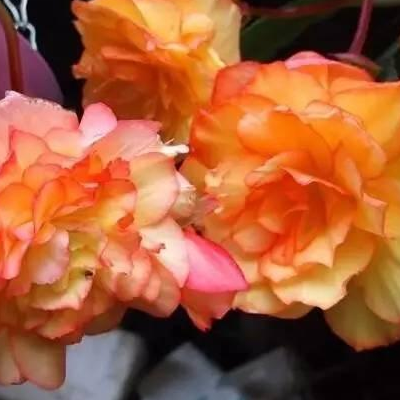
Hyacinth Bulb Propagation Methods and Flower Pot Diameter Selection
Hyacinth, this is something many people like. How can you get hyacinths to grow more and more? Then you need to understand the bulb propagation method of hyacinth. What is the bulb propagation method of hyacinth: 1. There are many fake bulbs on the market now, so friends must pay extra attention when buying.
-
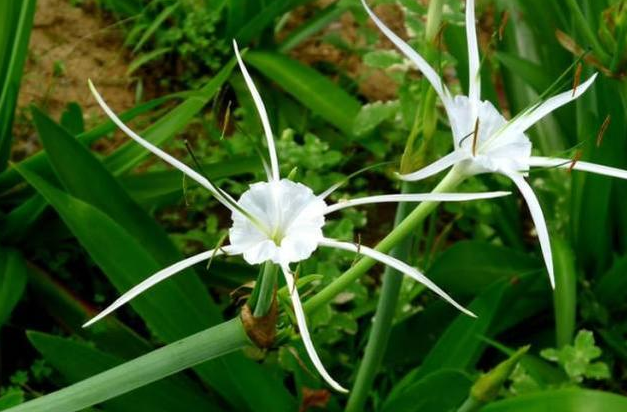
Spider Lily Growing Methods, Precautions, and How to Tell It Apart from the Poison Bulb
Spider Lily: does the name make you think it has something to do with spiders? It really has nothing to do with spiders. Let's take a look at the growing methods and precautions for the Spider Lily, and what the differences are between the Spider Lily and the Poison Bulb: Growing methods and precautions for the Spider Lily: Light: it likes plenty of sunlight and tolerates slight shade.
条件筛选