-

How to Grow Lucky Bamboo for Strong Growth: A Detailed Guide to Planting Methods
A detailed introduction to Lucky Bamboo planting methods and care techniques, including how to grow Lucky Bamboo, soil preparation, light and watering, propagation methods, fertilizing and pruning, pest and disease control, and other practical content.
-

Is Guanyin Bamboo the Same as Lucky Bamboo? Which One Is Better for Beginners
Many friends around me ask when growing plants: "Guanyin bamboo and lucky bamboo look quite similar, are they the same thing?" Actually, they really aren't! Although both carry the word "bamboo" in their names and look a bit like lush little bamboos, a closer look reveals considerable differences, and even their ease of care is different. The most intuitive difference - their appearance.
-
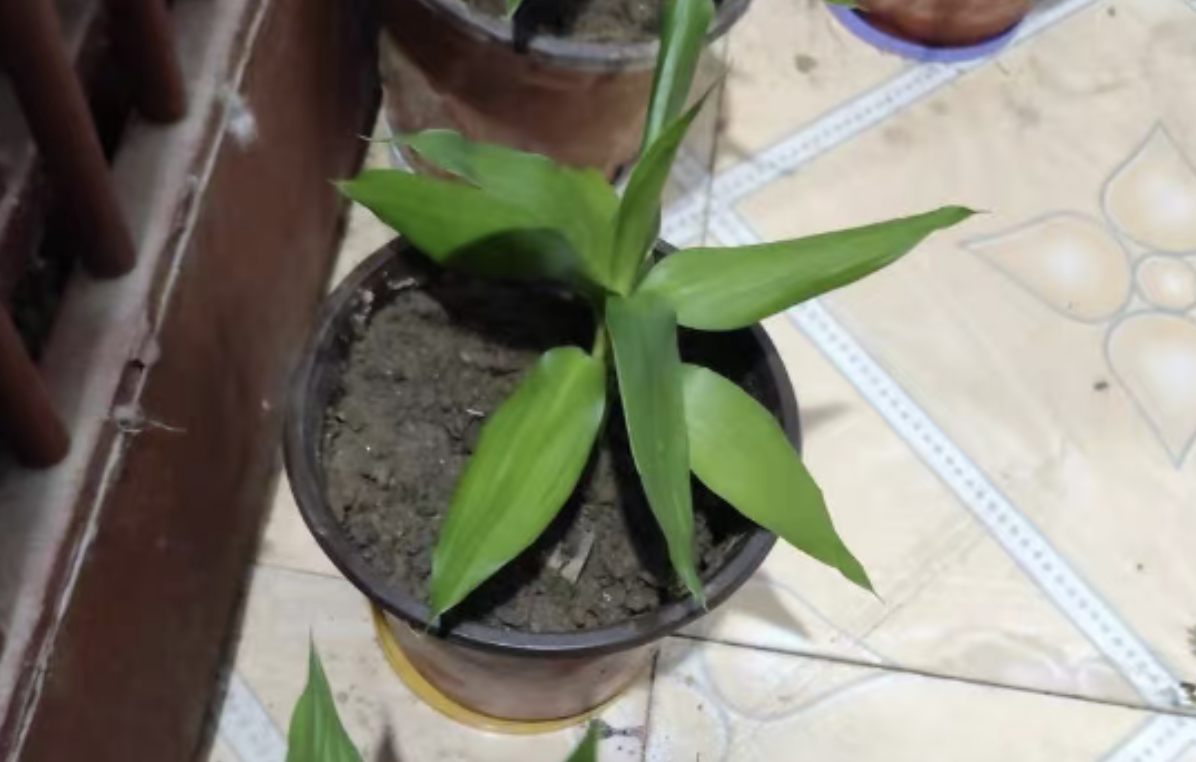
Are Guanyin bamboo and lucky bamboo the same? Which one is better for beginners to grow?
Many of my friends who like to grow plants often ask: “Guanyin bamboo and lucky bamboo look pretty similar — are they actually the same plant?” The answer is
-

The Symbolism and Blooming Period of the Golden Shrimp Plant (Pachystachys lutea)
Today I'm introducing a particularly beautiful plant called the golden shrimp plant (Pachystachys lutea), which flower shop owners also call the golden pagoda and the yellow shrimp flower. Just from the name alone, doesn't it already feel like it must look out of the ordinary? That's right, the golden shrimp plant has a pagoda-shaped appearance, and each bract is paired with golden-yellow petals, looking like glittering gold, paired with
-

Recommended Flower Varieties with Both Ornamental and Medicinal Value
In the embrace of nature, there are many flowers that not only adorn our living spaces with their brilliant beauty, but also hold rich medicinal value. Today, let us step into the world of cockscomb, globe amaranth, corn poppy, and foxglove, and learn about these wondrous flowers that are both ornamental and medicinal. Cockscomb:
-

What are the differences between lotus bamboo and lucky bamboo and how do their symbolic meanings differ?
People can look alike, and the same goes for things, especially the wondrously crafted flowers of nature. Among them, lotus bamboo and lucky bamboo are often mistaken by many flower enthusiasts for the same plant. In fact, their growth habits, plant leaves, and growth height, as well as their symbolic meanings, are all different. Lotus bamboo and lucky bamboo, which are often mistaken for the same plant, it
-

What Are Auspicious Bonsai? Five Recommended Bonsai with Lucky Meanings
In Chinese culture, bonsai are not only ornamental works of art but are also endowed with symbolic meanings of good fortune and prosperity. Today, let us learn about five bonsai that boost wealth and fortune: Podocarpus bonsai, banyan bonsai, pine bonsai, orange jasmine bonsai and sago palm bonsai. Podocarpus bonsai: Podocarpus is regarded as a Buddhist tree and has
-

Jaboticaba Nutritional Value and Benefits Explained: Can Potted Jaboticaba Trees Bear Fruit?
Today we introduce a plant that performs particularly well in the field of beauty, and that is the jaboticaba. Its fruit contains a variety of vitamins and fiber beneficial to the human body. Eating its fruit can resist skin aging, reduce pigmentation, and maintain skin luster, among other benefits. Therefore, in recent years, it has been welcomed by women who love beauty but dislike taking health supplements.
-

Which bonsai has the highest value? What are the best bonsai tree species for beginners to grow?
For veteran gardening enthusiasts, they generally like to grow bonsai, because bonsai are easy to care for and are mostly evergreen year-round. So which evergreen bonsai are the most popular on the market? Below are several recommendations for beginners that are favorites of many veteran gardening enthusiasts. Jade plant. The jade plant is a succulent, with an upright overall plant shape and fleshy emerald-green leaves. If well cared for, it is said to live for more than 20 years, and it can even bloom.
-
The Language of Flowers and Symbolism of the Siam Tulip, Plus Potted Planting Methods and Precautions
The Siam tulip is native to Chiang Mai and other parts of Thailand. It is a perennial herbaceous plant in the ginger family (Zingiberaceae) and the genus Curcuma, named for its flowers, which resemble lotus blossoms. The Siam tulip plant is upright and tall, with slender, green, glossy leaves. The flowers are usually pink or white, relatively large, with layer upon layer of delicate and soft petals. The Siam tulip has a long flowering period, and once
条件筛选