-

Detailed Explanation of the Key Processing Techniques and Methods for Mantis Shrimp
Mantis shrimp, also called shrimp crawler, scientific name Squilla. The body is flat and depressed, with well-developed abdominal feet and tail fan. The carapace on the front part of the body is very thin, while the rear part is thicker. The rostrum is not prominent. The carapace is broad and round. The first pair of legs is pincer-like and asymmetrical, with sexual dimorphism and two protrusions on the inner margin. Mantis shrimp is the main bycatch of set nets, with the spring season from April to July and the autumn season from October to November. It can be processed into frozen boiled mantis shrimp with head and frozen boiled headless mantis shrimp. 1. Processing of frozen boiled mantis shrimp with head 1. Quality conditions: fresh quality, plump shrimp meat
-
How to Cultivate the Shaggy Mane Mushroom? Detailed Explanation of Key Planting Techniques
The shaggy mane mushroom, also known as Coprinus comatus and called "fine-split night ear" in Japan, is a rare edible mushroom with both food and medicinal value and broad development potential. Its flesh is thick and tender, its flavor is sweet and delicious, and it is rich in nutrients. The shaggy mane mushroom also has advantages such as being easy to cultivate, high-yielding, good in taste, and easy to keep fresh. In recent years, its cultivation scale in rural areas of our country has developed rapidly, with obvious social and economic benefits. Its key cultivation techniques are as follows: Cultivation season. The shaggy mane mushroom belongs to the medium-to-high temperature mushroom type and is a straw-rotting soil-inhabiting fungus. The mycelial growth temperature range is 10-3
-
At what age do dogs start wanting to mate?
After a puppy is born and reaches a certain age, the male dog can produce sperm capable of fertilization, and this is called sexual maturity. Maturity does not mean the dog has reached the period when it can reproduce, because the dog's body has not yet fully developed and matured. Around 12 months of age is the suitable time to begin breeding. Generally, small dogs reach sexual maturity earlier, while large dogs reach sexual maturity later. Sexual maturity is generally considered to occur at 8-12 months after birth, with some as early as 6 months. This also varies across different regions. For small and medium-sized dogs, 1-1.5 years, the survival rate of offspring is high, and for large dogs, starting breeding at 2 years of age is most suitable.
-
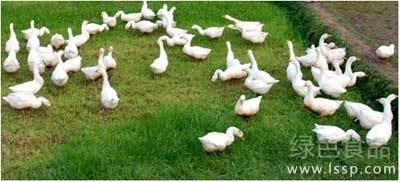
Technical points of "planting grass to raise geese" for improving economic benefits
Technical points of "planting grass to raise geese" for improving economic benefits
-
Processing Methods and Technical Points for Mantis Shrimp
Mantis shrimp is also called shrimp crawling child, scientific name Oratosquilla oratoria. The body is flat, the pleopods and tail fan are well developed, the carapace on the front part of the body is very thin, and the rear part is thicker, the rostrum is not prominent, the carapace is wide and round, the first pair of thoracic legs is pincer-like, asymmetrical, with sexual dimorphism, and there are two protrusions on the inner margin. Mantis shrimp is the main bycatch of fixed nets in the Bohai Sea, with the spring fishing season from April to July and the autumn fishing season from October to November. It can be processed into frozen boiled mantis shrimp with shell and frozen boiled headless mantis shrimp. I. Processing of frozen boiled mantis shrimp with head 1. Quality conditions:
-
How are wild Schizothorax prenanti domesticated? Keep the precautions firmly in mind
Schizothorax prenanti belongs to the Cyprinidae family, Schizothoracinae subfamily, and Schizothorax genus; it is also known as Yayu, fine-scaled fish, and carp. As market demand for Schizothorax prenanti increases, its natural resources fall short of demand. To meet the market need for Schizothorax prenanti, some areas in Sichuan and Chongqing have begun flow-through pond and cage culture. Schizothorax prenanti farming has developed fairly quickly in recent years, and its broodstock mostly comes from wild populations in natural waters. In order to scientifically and rationally protect and develop high-quality wild fish resources, the Make River Sichuan-Shaanxi Taimen Protection
-
Characteristics of Golden Gem Japanese Holly and Its Planting and Care Methods
Golden Gem Japanese Holly Ilex crenata 'Golden Gem' Family and genus: Aquifoliaceae, Ilex Flowering period: May to June Temperature: -11 to 30°C Soil: Prefers neutral or slightly acidic soil Habits: Evergreen, tolerant of low temperatures, mature leaves are dark green and glossy, new leaves are golden yellow, the plant is low and compact, and growth is relatively slow.
-
Yantang Strong Antibacterial Star is a compound antibacterial drug
Yantang Strong Antibacterial Star is a compound antibacterial drug developed and produced by Guangdong Yantang Veterinary Drug Co., Ltd. (Tel: 020-87633374). Its generic name is Compound Gentamicin-Micronomicin Sulfate Injection, and its main ingredients are gentamicin-micronomicin, trimethoprim, lincomycin, and analgin. Functions and indications: for swine streptococcosis, edema disease, piglet yellow and white scour, pig diarrhea with persistent high fever, loss of appetite, oral ulceration, foot rot, and other conditions, as well as mastitis and endometritis in pigs and cattle, and
-
Introduction to Tylosin (Tylan), a Commonly Used Macrolide Antibiotic in Duck Clinical Practice
Source and properties: This product is extracted from the culture broth of Streptomyces fradiae. It is a white crystalline substance, weakly alkaline, and slightly soluble in water. Its salts are readily soluble in water. Tylosin tartrate, tylosin hydrochloride, and tylosin phosphate are commonly used in clinical practice. Actions and uses: This product is an antibiotic specifically for livestock and poultry, with antibacterial activity against Gram-positive bacteria and some Gram-negative bacteria, such as Staphylococcus aureus, Streptococcus pyogenes, Mycoplasma, and Spirochetes, all of which it inhibits, and it is especially effective against Mycoplasma. However, its effect against Gram-positive bacteria is not
-
A Detailed Guide to the Application of Antibiotics in the Treatment of Snake Diseases
Antibiotics, originally called antibacterials, are metabolic products of microorganisms such as bacteria, fungi and actinomycetes. At very low concentrations they can inhibit or kill pathogenic microorganisms and systemic bacterial infections. They are one of the commonly used and indispensable high-efficiency drugs in clinical practice, and are equally applicable to the prevention and treatment of snake diseases. Practice has proven that injecting antibiotics into snake bait can not only prevent snake diseases, but also improve snake metabolism, promote growth, and raise the survival rate or feed conversion rate. Commonly used antibiotics include penicillin, erythromycin, cephalosporin, chlor
条件筛选