-

Guannan, Jiangsu Edible Fungus Project Wins Provincial 2014-2015 Agricultural Harvest Award
Recently, the Jiangsu Provincial Commission of Agriculture announced the winners of the 2014-2015 Jiangsu Provincial Agricultural Harvest Award. The project "Research, Promotion and Application of Key Technologies for Large-Scale Safe Production of Edible Fungi", led by the Guannan Vegetable Office, won the second prize of the Agricultural Harvest Award.
-

How to Keep a Savannah Monitor? Basic Care Tutorial
Do you like savannah monitors? Do you know how to keep them? Below is an introduction to keeping savannah monitors. Environment: Savannah monitors come from the African savanna. They like to climb and swim less. But they still need a large swimming pool. When young, they like
-
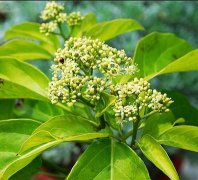
How to Grow Nothapodytes nimmoniana in Xishuangbanna? Detailed Guide to Suitable Climate and Cultivation Techniques
Nothapodytes nimmoniana is a medicinal plant with relatively high medicinal value, having effects such as detoxification, reducing swelling and dispelling wind, and its medicinal value is fairly broad. So do you know how to grow this plant? Let us find out together. Nothapodytes nimmoniana is a plant that lives in tropical and sub
-

What Is Cannabidiol (CBD)? An Analysis of the Benefits of Cannabis Extract
When people hear "cannabis," they think of it as an illegal drug that must not be touched! But at the Natural Products EXPO WEST held in California, USA, from March 6 to 9, 2019, all kinds of nutritional supplements and foods containing cannabis extract were on display,
-
How to Grow Water Canna from Seed? A Detailed Guide to Planting Methods
Water canna, also called Florida canna, is a flowering ornamental plant commonly used in subtropical and tropical regions. It likes warmth and full sunlight and is not cold-tolerant. So, how do you grow water canna from seed? 1. How to grow water canna from seed? Generally done in April-May
-
How to Plant Canna Seeds? Detailed Guide to Planting Methods and Precautions
Speaking of canna, friends who may not be too familiar with it might think it is a type of banana. In fact, canna is a flowering plant. Its flowers are especially large and brightly colored, with extremely high ornamental value, and it is deeply loved by everyone. So how should such a beautiful canna be
-
Detailed Explanation of Gannan Navel Orange Cultivation Techniques, Scientific Cultivation and Management Methods
What I liked to eat most in the past was rock sugar orange, which I thought had the best taste among oranges. Later, I accidentally ate a Gannan navel orange and was attracted by its rich orange aroma and sweet-and-sour taste. Since then, I have especially liked this kind of orange. Today let's talk about Gannan
-
Three Key Protection Techniques for Four-Season Cultivation of Navel Orange
Along with the development of the navel orange industry in Gannan, the management techniques for navel orange throughout the four seasons of the year are becoming increasingly important. 1 Autumn shoot protection. Autumn shoots are the main fruit-bearing mother branches of navel orange, and autumn shoots should be promoted according to different climatic conditions. Generally one week after Minor Heat, nitrogen fertilizer is applied to promote budding according to the fruit load of the plant; after Major Heat the shoots are released; when the buds are half a grain of rice long, spray 25% bisultap 600-fold solution to control citrus leaf miner, spraying once a week until the autumn shoots stop growing; at the same time, spray a shoot-strengthening fertilizer once.
-
A Detailed Explanation of Canna Edulis Planting Techniques and Management Key Points
Canna edulis is edible, suitable for the elderly, the weak and young children, or for making starch noodles and brewing wine, and some rural areas grow canna edulis. So what are the planting techniques for canna edulis? 1. Planting. Seed propagation of canna edulis is mainly used for breeding new varieties; in rural cultivation
-
Detailed Explanation of Key Technical Points for Freshwater Farming of Whiteleg Shrimp (Litopenaeus vannamei)
Abstract The most suitable water temperature for the survival of whiteleg shrimp is 28-32°C. Release them when the weather is clear or in the evening; the most suitable water temperature for releasing fry is 20°C or above. Select high-quality fry with good vitality, quick responses, and a transparent body. Before releasing them into the freshwater
条件筛选