How to Grow Nothapodytes nimmoniana in Xishuangbanna? Detailed Guide to Suitable Climate and Cultivation Techniques
Nothapodytes nimmoniana is a medicinal plant with relatively high medicinal value, having effects such as detoxification, reducing swelling and dispelling wind, and its medicinal value is fairly broad. So do you know how to grow this plant? Let us find out together. Nothapodytes nimmoniana is a plant that lives in tropical and sub
Nothapodytes nimmoniana is a medicinal plant with relatively high medicinal value, having effects such as detoxification, reducing swelling and dispelling wind, and its medicinal value is fairly broad. So do you know how to grow this plant? Let us find out together.
Nothapodytes nimmoniana is a plant that lives in tropical and subtropical tropical and subtropical regions, and its growing areas are generally in coral reef rock weathered soil areas; it prefers soil that drains well, has a high organic matter content, and a pH value above pH 6.5. The suitable temperature is between 25 and 35°C.
Nothapodytes nimmoniana is a plant that lives in tropical and subtropical tropical and subtropical regions, and its growing areas are generally in coral reef rock weathered soil areas; it prefers soil that drains well, has a high organic matter content, and a pH value above pH 6.5. The suitable temperature is between 25 and 35°C.
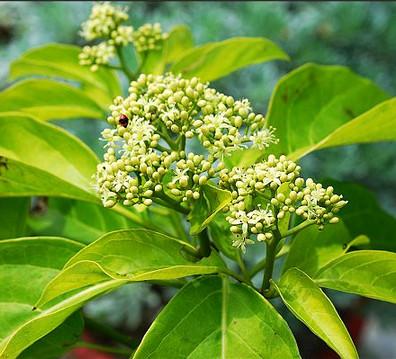
Nothapodytes nimmoniana cultivation techniques:
Propagation: There are two propagation methods. One is branch cuttings, but the survival rate is relatively low at only 20-30%; another commonly used propagation method is seed propagation; select fully mature purplish-red fruits and immediately remove the skin and flesh, and without storage sow them directly into a seedbed or a soft pot already filled with culture soil. The time required for germination is very long, about 20-30 days. The key point of management during the seedling stage is sufficient water. In the initial stage, if cultivated in a simple 70%-80% shade net house, growth is rapid. After germination, after 3 months the shade net can be removed to carry out hardening management, and when the seedlings grow to 30-40 cm tall, they are planted out in the field.
Soil: Choose soil that drains well, has a high organic matter content, and a pH value above pH 6.5. When preparing the land, apply base fertilizer or organic fertilizer with relatively high phosphorus and potassium content. Generally, a wide-row close-planting spacing of 2.0×0.5-0.7 m is used. First open furrows along the intended row direction, then dig holes for planting, leaving a row of drainage ditches between two beds. After planting, irrigate at the appropriate time according to how the soil moisture evaporates. Other management operations can follow the management methods for general fruit trees or planted forest trees. During typhoon periods, attention should be paid to wind damage, and broken branches should be removed promptly.
Harvesting, processing and future development situation: Cultivated plants begin to flower in the third year. The flower buds are located at the tips of the branches. The first flowering period is in late December, and the flowering period is very long, lasting until early March of the following year. During the flowering period, the pollination rate of the flowers is greatly affected by the weather at the time. If it encounters the rainy season, the pollination rate is low, and the fruits appear grape-like. Under normal management, plants cultivated for the first time can be cut at the base of the stem 15-20 cm above the ground with a saw in autumn when the leaves begin to fall, at about the fifth year, and cut into pieces with a slicer, then dried at a low temperature of 45-50°C, bagged and sent to a factory to extract components and make anticancer drugs.