-

African Jasmine (Loganiaceae) Cultivation Methods, Precautions, Watering and Flowering
African jasmine's original name is Fagraea ceilanica (grey jasmine); its other names are carp gall, grey thorn wood, bamboo yellow fruit, and small yellow fruit. With its full plant shape and dark green leathery leaves, it has become a very popular indoor foliage plant in recent years. But how do you grow African jasmine? Cultivation methods and precautions
-
The Latest Cultivation Methods and Precautions for African Jasmine
African jasmine is originally named grey jasmine (Fagraea ceilanica). Don't let its name cause any misunderstanding. Just like the desert rose we introduced not long ago on Qinnong Net, African jasmine simply has a rather unusual name; it has little to do with Africa or jasmine.
-
What to Do When African Jasmine Drops Its Leaves? Causes and Solutions
Not long ago, Qinnong Web introduced the cultivation methods for African jasmine, and quite a few people told us that their own African jasmine plants started dropping leaves as they were growing them. African jasmine itself can serve as both a flowering plant and a foliage plant, and dropping leaves
-
What should you do when a potted African jasmine (Fagraea ceilanica) keeps dropping leaves?
African jasmine is a foliage and flowering plant with emerald-green leaves and small white flowers. Its original name is Fagraea ceilanica, and it is not the same plant as jasmine. African jasmine has a light fragrance, and when grown in a pot it is also easy to care for, so it is suitable for placing at home
-
How Often to Water African Jasmine? Rescue Your Plant When Its Leaves Go Soft and Droopy
African jasmine is not the same flower as the jasmine we usually see; the former is an evergreen shrub with a jasmine-like fragrance, and it has become a fairly popular variety in the flower and greenery market in recent years. So when growing African jasmine, how often should you water it
-
What to Do When African Jasmine Drops Leaves and Turns Yellow? A Detailed Guide to Solutions
African jasmine, originally named Chinese boxwood-leaved jasmine (Wahuei Limu), is an evergreen shrub or small tree. In fact, African jasmine is not a true jasmine; it only got this interesting name because its leaves resemble those of jasmine and the names sound similar. As a common household
-
African jasmine pruning methods and suitable placement locations
As an evergreen shrub or small tree, African jasmine has vigorous vitality, is simple to cultivate, and contributes greatly to horticulture. Nowadays, many places, when decorating home life, adorning courtyards, or doing gardening, will first choose African jasmine. So how should African jasmine be
-
How to Water African Jasmine and What to Note When Repotting
African jasmine has a very strong ability to adapt to its environment. Its flowers are very beautiful and also give off a floral fragrance, making it very suitable as an indoor potted plant and much loved by many flower enthusiasts. Although the cultivation of African jasmine has always been relatively rough-and-ready, some routine care is still indispensable
-
How to Grow African Jasmine? Detailed Guide to Cultivation Methods and Precautions
African jasmine is a very beautiful and attractive foliage plant. Many people like to place African jasmine in the living room, study, office, and other places as a decorative ornamental plant. African jasmine's leaves are emerald green and glossy, and occasionally it can also bloom with pure white flowers, elegant and beautiful.
-
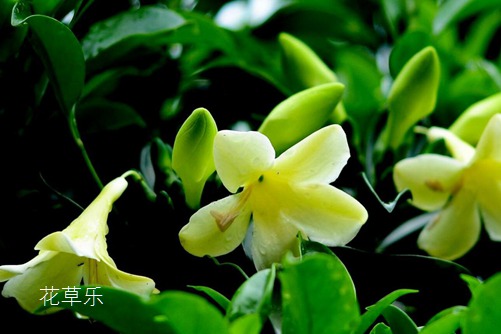
What to do when African jasmine leaves turn yellow? Learn the following tricks and you'll never have to worry again
African jasmine (Chinese violet jasmine, Clerodendrum chinense) is a plant that many people love, dense and emerald green, giving a feeling of vibrant life, very fresh, and a very good ornamental plant. Nowadays many people grow African jasmine at home, but improper care during the growing process can cause symptoms such as yellowing leaves, so what should you do when African jasmine leaves turn yellow
条件筛选