-

What exactly is the difference between hairy Abrus herb and Abrus herb?
Both hairy Abrus herb and Abrus herb are called Abrus herb, so many people wonder whether these two names refer to the same thing. Here is a brief introduction for everyone. 1. The difference between hairy Abrus herb and Abrus herb. The scientific name of hairy Abrus herb is Abrus mollis
-
How to grow Abrus cantoniensis? Master these key cultivation techniques
Abrus cantoniensis has the effects of clearing heat and removing dampness, detoxifying, relieving pain and benefiting the liver, and is a common Chinese medicinal herb, but many people's Abrus cantoniensis does not sprout, which may be due to the wrong planting method, so how do you grow Abrus cantoniensis? 1. How to grow Abrus cantoniensis Abrus cantoniensis generally
-
A Detailed Guide to the Planting Methods and Key Techniques for Abrus cantoniensis
Abrus cantoniensis is a kind of Chinese herbal medicine, with effects such as clearing heat and removing dampness, detoxifying, relieving pain, and benefiting the liver. It can be used to make chicken soup, and can remove dampness from the body. It is mainly grown in Guangzhou and Guangxi. So how do you plant Abrus cantoniensis? 1. Land. Abrus cantoniensis has [requirements] for soil
-
How to Grow Abrus cantoniensis? A Detailed Guide to the Latest Planting Methods
Abrus cantoniensis is a medicinal herb with national protection status, also known as Guangzhou Abrus. It has effects such as clearing heat and removing dampness, detoxifying, relieving pain, and benefiting the liver. Especially in spring and summer, it can be used to make chicken soup, which has a great effect on removing dampness from the body. At present in our
-
What are the key points for growing Abrus cantoniensis? Detailed growing techniques
Key points for growing Abrus cantoniensis
-
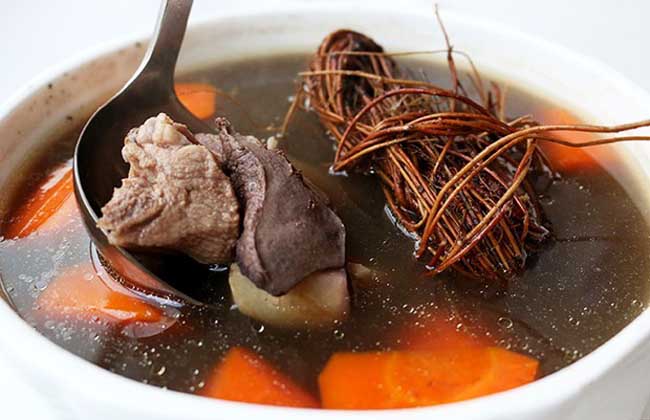
How do you make Abrus cantoniensis soup taste good? A complete guide to easy-to-learn recipes
A complete guide to making Abrus cantoniensis soup
-

A Detailed Explanation of the Planting Methods and Key Techniques for Abrus cantoniensis
How to Plant Abrus cantoniensis
-
A Complete Analysis of the Key Cultivation Techniques for Abrus cantoniensis (Chicken-Bone Herb)
Abrus cantoniensis has strong adaptability and is not demanding about soil; it can generally be planted on dry land (flat land or sloping land), with sandy loam being the best. It is drought-tolerant and afraid of waterlogging, so the planting site must have good drainage and plenty of sunlight. 1. Raising seedlings (sowing from March to April on the Gregorian calendar is best). The seed coat of Abrus cantoniensis is smooth and hard, so the seeds must be treated before sowing, otherwise the germination rate will not be high. Treatment method: mix the seeds with twice their volume of fine sand, place in a mortar or bamboo tube and pound with a round-headed wooden pestle for 20 minutes, or rub by hand for 30 minutes, then sift out the sand.
-
-
条件筛选