-

What to Do When Flowers Won't Bloom? A Few Practical Methods to Force Flowering
We often run into the problem in daily life of growing flowers that simply won't bloom. People ask: why won't my flowers bloom? Below, the editor introduces the 6 main reasons flowers won't bloom and several methods for forcing common flowers to bloom: Forcing flowering means promoting...
-
What to Do When Pothos Leaves Turn Yellow? A Few Practical Solutions
There are many reasons why pothos and spider plant leaves turn yellow, including improper watering, unsuitable lighting, dry air, and red spider mite damage. Since pothos likes water but fears prolonged waterlogging, it is best to water only when the topsoil is dry, and then water thoroughly. ...
-

Paris polyphylla planting time: when is best for direct seeding, seedling transplanting and rhizome planting
Paris polyphylla likes warmth and moisture and fears frost, and its planting time varies with the propagation method. This article introduces the seed germination method for Paris polyphylla, as well as the suitable times for direct seeding, seedling transplanting and rhizome planting, along with field management and harvesting points, to help you grow Paris polyphylla well.
-
What to Do When an Orchid Gets Southern Blight? Symptoms and Control Methods Explained
Orchid southern blight is one of the main diseases of orchids, also known as white silk disease, sclerotium disease, etc. Its damage is second only to anthracnose, but once it occurs, the harm and losses it causes will far exceed those of anthracnose. It usually begins infecting in April to May, with the peak incidence from June to August. The disease develops rapidly, causing the affected orchid plants to rot, wither and die.
-
When is the planting time for the medicinal plant Paris polyphylla (Chonglou)?
Paris polyphylla grows on hillside forests and in the shaded, moist areas of thickets. It likes warmth, moisture and shade, but is also cold-resistant and drought-tolerant; it fears frost and direct sunlight. The average annual temperature for growing it is 13-18°C. Sandy soil and loam with a relatively high content of organic matter and humus are both suitable for planting, and riversides, ravine edges and shaded hillsides are especially suitable.
-
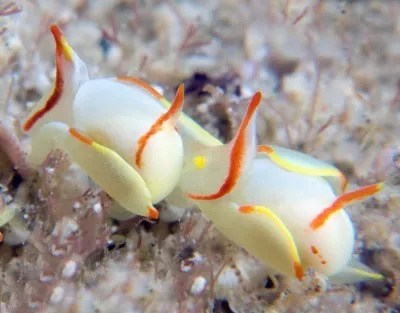
When love means getting shot in the head, this kind of romance is hard to bear
The animal world never lacks bizarre sexual behaviors. Many animals injure the female during mating (in hermaphroditic animals, it is both partners, or the one receiving sperm), and the methods vary. These ferocious mating methods...
-
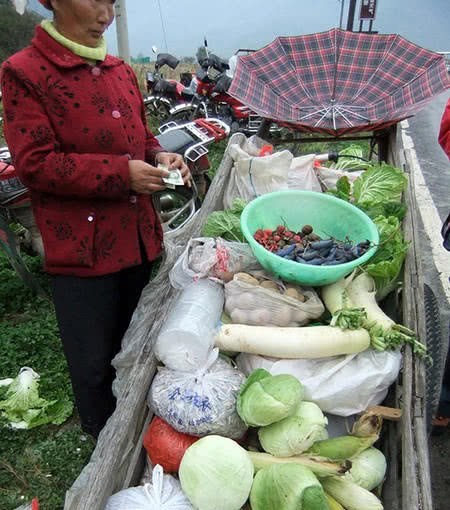
Husband Brings Back a Rare Fruit I Had Never Seen From a Business Trip, and I Was Stunned When It Was Peeled Open
Husband brought back a rare fruit from a business trip, one I had never even seen before, and when it was peeled open I was completely unsettled! There are countless fruits in the world, and when we normally buy fruit we always pick out the good-looking ones, but every time my husband comes home from a business trip he always brings back some...
-
What to Do When a Potted Peperomia obtusifolia Has Yellowing Leaves? Causes and Solutions
Peperomia obtusifolia is a very easy-to-grow small potted plant. If you find its leaves turning yellow, you need to examine it carefully. Generally speaking, the most likely cause is root rot, followed by waterlogging. However, gardening enthusiasts need not worry, because Peperomia obtusifolia is very easy to propagate from cuttings
-
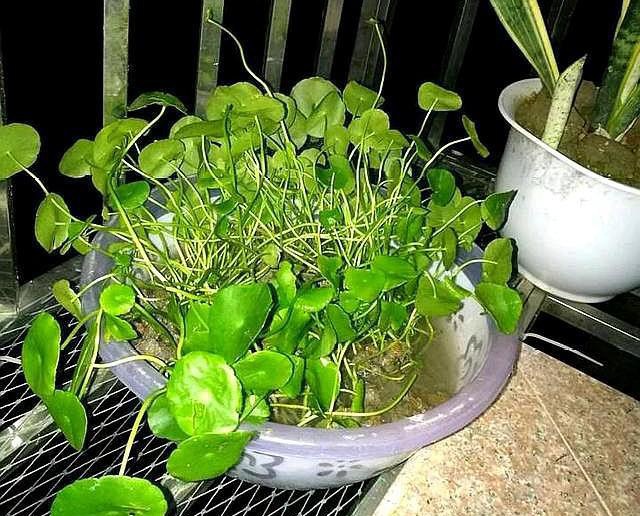
What to Do When Copper Coin Grass Grows Crooked? Identify Three Causes and Growing It Well Is Easy
(This material comes from the internet. If there is any infringement, please contact the author as soon as possible for timely deletion!) Why does copper coin grass grow crooked? Copper coin grass is very easy to grow. Whether it lacks light or lacks fertilizer, it will not die. Even if you...
-
What are the things to note when growing gardenias at home?
Things to note when growing gardenias at home. Gardenia: The gardenia is an evergreen shrub or small tree, and there are four commonly seen types: (1) Large-flowered gardenia, also known as river-flower gardenia. The leaves are large and long-elliptical, the flowers are large and mostly double, with a strong fragrance. (2) Small-leaved gardenia, also known as sparrow-tongue flower. The plant is short and small, the flowers are relatively small, double, with a very strong fragrance.
条件筛选