-

Technical points to note when replenishing water in edible mushroom cultivation
Points to note when replenishing water for edible mushrooms
-
Seven Methods for Storing Edible Mushroom Spawn and Points to Note When Introducing Spawn
Seven Methods for Storing Edible Mushroom Spawn
-
Three-Stage Management of Edible Mushrooms Cultivated in Summer and Points to Note When Introducing Strains
Three Stages of Edible Mushroom Management in Summer Cultivation
-
Edible mushroom disease prevention and control methods: strict contamination prevention when culturing spawn
Edible mushroom spawn culture: strict contamination prevention
-
High-Yield Cultivation Techniques for Agaricus blazei and Points to Note When Rehydrating Edible Fungi
High-Yield Cultivation Techniques for the Edible Fungus Agaricus blazei
-
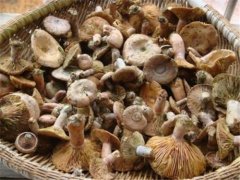
What to Do When Mushrooms Won't Sell? Mushroom Sales Channels and Ways to Find Buyers
Mushroom cultivation is already very widespread now, so when production is good but the mushrooms won't sell, what methods can we use to handle the mushrooms well? First of all, you need a market outlet; if there is no outlet for mushroom cultivation, do not blindly expand production. It is best
-
The secret of the edible fungi industry: scary from afar, keeps people around up close, and makes people successful when they step inside
Edible fungi from afar -> scares people to death; edible fungi up close -> keeps people around; edible fungi when you step inside -> makes people successful. Viewing edible fungi from afar -> feels like a myth; looking at edible fungi up close -> feels like the truth; using...
-
What to do when pinheads grow on the spawn blocks after inoculating straw mushrooms
2-3 days after inoculating straw mushrooms, many white pinheads grow on the spawn blocks exposed above the compost, causing the spawn to age and affecting the spawn's mycelial germination, or the mycelium grows but does not colonize the compost. The cause is that the spawn is stimulated by strong light, causing some hyphae to knot prematurely and form pinheads. Control method: when inoculating, do not leave the spawn exposed; it should be sown 2-3 cm deep into the compost, and a straw mulch should be used to shade and keep warm, preventing stimulation by strong light.
-
What to Do When Straw Mushroom Mycelium Shrinks? Causes and Control Methods
1. Using inferior spawn: Spawn that is too old or too young, degenerated spawn, weak mycelial vitality, poor stress resistance, or spawn stored for a long time in environments with temperatures that are too low or too high can all lead to failure to germinate after spawning and shrinkage of mycelium in the spawn blocks. Control: Select spawn of the appropriate age and high quality, and ensure the temperature during the cultivation process does not get too low. 2. Improper control of compost temperature: When the air temperature is high, the compost is too thick, and the mushroom house has good insulation, the temperature inside the compost after spawning exceeds 42°C for an extended period, which causes mycelium to shrink and die, resulting in burning of the mycelium.
-
When is the most suitable time to plant straw mushrooms in northern regions?
Because straw mushrooms are a high-temperature strain, the suitable season for cultivating them is when the daily average temperature is stable above 25°C or the minimum temperature is above 23°C. In northern regions, June to September each year is the best season for planting straw mushrooms. Spawn preparation can be scheduled between May and June. In recent years, northern regions have broadened the suitable cultivation period by using winter-warm greenhouses.
条件筛选