-
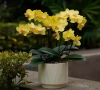
How to care for Phalaenopsis during its dormant period? Keep these precautions in mind
Never throw away the Phalaenopsis (moth orchid) at home after its flowers fade. As long as you master the care methods for the dormant period, it will bloom again and fill its pot with flowers next year. Today I will show you step by step how to care for it scientifically, so the Phalaenopsis can rest well and build up strength for its next bloom. Light management: Phalaenopsis is a semi-shade plant, and during the dormant period it is especially afraid of direct strong light! Too strong sun
-
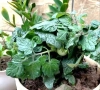
What are the causes of tomato leaf curl and how can it be prevented and treated?
Recently many vegetable gardeners have been asking: the tomato leaves suddenly curled up, what on earth went wrong? Don't worry! Today we'll talk about the causes and solutions, so even beginners can handle it easily! 1. Environmental factors 1. Temperature When the temperature soars above 35°C, combined with air humidity below 50%, the tomato plant reduces water loss
-

Is hydroponics or soil culture better for Phalaenopsis? There's an art to choosing the potting medium
As everyone knows, Phalaenopsis is beloved for its delicate, graceful bearing and flower shape that closely resembles a butterfly. At flower markets, many stallholders place it in the "C position" of their storefronts. When it comes to choosing one, it also comes in potted culture and water culture, so how do different media affect the growth of Phalaenopsis? In fact, once you find the right technique, both care methods work fine.
-

How do you tell whether a Phalaenopsis is in good condition? If the root system is underdeveloped, here is how to fix it
Many people probably want to grow a Phalaenopsis themselves, but quite a few forums say this plant is rather "delicate" and that no ordinary person can grow it well. Is that really true? Today I am here to set the record straight for the Phalaenopsis: it is actually very easy to grow. In home care, as long as the temperature is suitable, it can bloom for months on end.
-

Signs of Sudden Household Plant Withering and Dormancy States
As June arrives and summer takes over, the weather is getting hotter and hotter, and those plants that naturally prefer cool conditions now all look like children who have done something wrong, completely droopy and wilted. Some varieties cannot tolerate the heat and even enter full dormancy, looking as if they are dead. However, novice flower enthusiasts should absolutely not throw them away at this sight,
-

Is a tall or short Phalaenopsis plant better, and is there a standard size?
When caring for or buying Phalaenopsis orchids, many people agonize over the question of tall versus short plant types, and are also curious whether there is a standard height. Below, from the aspects of ornamental value and care difficulty, we analyze the secrets of Phalaenopsis plant types for you. Tall-type Phalaenopsis orchids usually have upright flower stems and a larger number of flowers, making them more spectacular in presence. They are suitable for placement in
-

Too many long old roots on your Phalaenopsis orchid, and the roots are aging and rotting - what should you do?
Anyone who grows Phalaenopsis orchids has surely run into this: the old roots in the pot are numerous and long, and some have even turned black and rotted - just looking at them is upsetting! Phalaenopsis roots are not just ordinary decoration; they not only absorb water and nutrients but can also carry out photosynthesis, making them truly multi-functional players! If you find the old roots packed densely
-

Should the original sphagnum moss be removed when repotting Phalaenopsis seedlings? A detailed guide to the potting method
Many flower lovers who grow Phalaenopsis seedlings get worried when it comes to repotting: should the original sphagnum moss be removed? How should you pot them so the seedlings survive well? Here are the key points straight away. Should the original sphagnum moss be removed or not? The answer is it must be removed, but not all of it! Phalaenopsis is an aerial-root plant, and in its native environment it relies on loose
-

The Harm and Lethal Risks of Overusing Bud Inducers on Phalaenopsis Orchids
Many flower enthusiasts, hoping to make their Phalaenopsis orchids quickly grow more side shoots and produce more flowers, choose to use bud inducers. But overusing bud inducers not only fails to achieve the desired effect, it can also cause fatal harm to the orchid. Bud inducers are mainly plant hormones, such as cytokinins and gibberellins. Used in moderation, they can stimulate the plant
-

The Effects of Long-Term Drought on Phalaenopsis and How to Care for Them When You Are Away
Anyone who grows Phalaenopsis (moth orchids) at home has surely felt this anxiety - you come back from a long trip and find the leaves wilted like deflated balloons, the flowers scattered and fallen, and the whole plant on the verge of withering! Phalaenopsis is sensitive to water needs. If drought lasts a long time, the plant will face many crises. Phalaenopsis may look delicate, but its roots are actually very toler
条件筛选