-
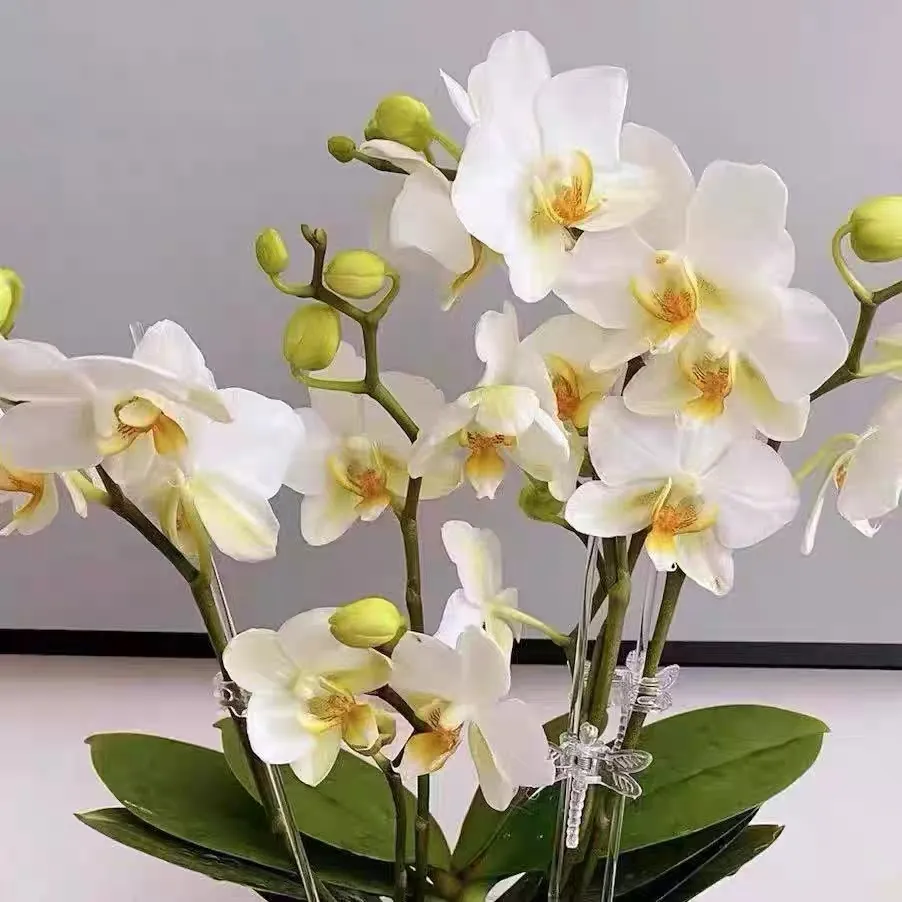
The Ultimate Guide to Repotting Young Phalaenopsis Seedlings into Larger Pots
# Repotting Young Phalaenopsis Seedlings: Why Delaying It Harms Growth When caring for young phalaenopsis seedlings, many growers mistakenly believe, "There’s
-

4 kinds of flowers that fear scorching sun the most, they only thrive when kept in a shady spot
It has been getting hotter and hotter lately, and the sun is getting more and more vicious. Many flower-growing friends are complaining: "Why does my flower wilt after being in the sun?" Actually, not all flowers are "sunflowers" - some flowers are naturally afraid of sun, and once exposed they get yellow leaves and scorched tips, which really breaks your heart! Clivia: This flower looks majestic, but it is actually very delicate. Many people think
-

Will Phalaenopsis Freeze to Death in the North in Winter? Grow It This Way to Thrive
Heard that Phalaenopsis orchids are easy to freeze to death when grown in the north? Don't panic! Actually, as long as you get a handle on the environmental characteristics of the north and avoid a few fatal pitfalls, Phalaenopsis can not only survive, but also bloom year after year. The Phalaenopsis orchid's homeland is the tropics, and it fears direct cold drafts and frost above all. In the north in winter, outdoor temperatures easily drop to minus ten-odd degrees Celsius, and leaving it by the window for one night can freeze the leaves
-

What is the best and most cost-effective substrate for growing Phalaenopsis orchids at home?
Friends who grow Phalaenopsis orchids surely know: "To grow orchids, first grow the roots; to grow the roots, rely on the substrate." Unlike growing pothos or succulents in ordinary potting soil, Phalaenopsis is an epiphytic orchid with aerial roots that need to breathe air. If you use sticky garden soil, the roots will surely rot within half a month. So when choosing a substrate, never be careless. You have to pick those that are breathable, water-retentive yet not root-suffocating, and also cost-effective. After all, we are growing flowers at home, and there is no need to spend a lot of money on fancy but impractical things.
-

Signs of Insufficient Light in Phalaenopsis and the Meaning of the "Crystal Tip"
As we all know, most flowers and plants need light to grow. This is especially true for the elegant Phalaenopsis (moth orchid), but because it is native to tropical rainforests, its light requirements are not too intense. It prefers soft, "dappled light," meaning it should be placed in a bright spot that isn't too sunny. New
-
What experience is there in caring for Phalaenopsis orchids? How to care for and manage them after cutting the spike
Flowers bloom and fade, and post-bloom care of Phalaenopsis orchids becomes the top priority. For beginners, what care points should we master after cutting the spike? After cutting the spike of a Phalaenopsis orchid, you need to do a good job with light, watering, temperature, fertilizing and other steps. In detail, light is the plant's "source of energy," and what orchids like is that bright
-

Repotting Sick and Weak Phalaenopsis Orchids Requires Care: Save the Seedlings in These 5 Steps
When a Phalaenopsis orchid's leaves turn yellow and go limp, and its roots are either half rotted or shriveled and lifeless, repotting is the "key to saving its life." But many people panic and act rashly: they just rip off the old medium, casually trim the roots, and switch to a bigger pot, only to find the orchid gets weaker with each change until it dies. In fact, repotting sick and weak orchids
-

Tired of root rot when growing flowers? Tuck a few small things into the pot for better airflow and drainage, and the roots will grow stronger
The biggest headache in growing flowers is root rot - you clearly don't water much, yet the plant still droops, and when you take it out of the pot it's all black, mushy rotten roots, heartbreaking and a waste. Actually, the core problem with root rot is just one thing: water accumulates in the pot and can't drain out, so the roots are smothered in wet soil and lack oxygen. Don't just blame yourself for being heavy-handed with the watering can - add some "small things" to the pot,
-

Choose These 5 Peak-Season Flowers to Grow in September, and Even Beginners Can Get Them Looking Great
September weather is neither too cold nor too hot, making it the perfect golden period for growing flowers, and many flowers grow like crazy at this time. If you do not know what to choose, do not buy at random! Dahlia, nasturtium, pansy, begonia, and chrysanthemum, these five are sure to work at this time, and even a complete beginner can handle them easily. Dahlia:
-
How to Protect the Buds of a Phalaenopsis Orchid After It Stops Blooming So It Blooms a Second Time
When a Phalaenopsis orchid is in bloom, it looks elegant and grand, but after the flowers fade, many growers do not know how to care for it. In fact, as long as you do these 4 steps well - pruning, light, temperature, and water and fertilizer - you can both protect healthy buds to encourage a second bloom and store up enough nutrients for the next flowering season, so that when it blooms again it has more flowers and more vivid colors! 1. Pruning spent flowers: first observe the condition of the flower stalk
条件筛选