-
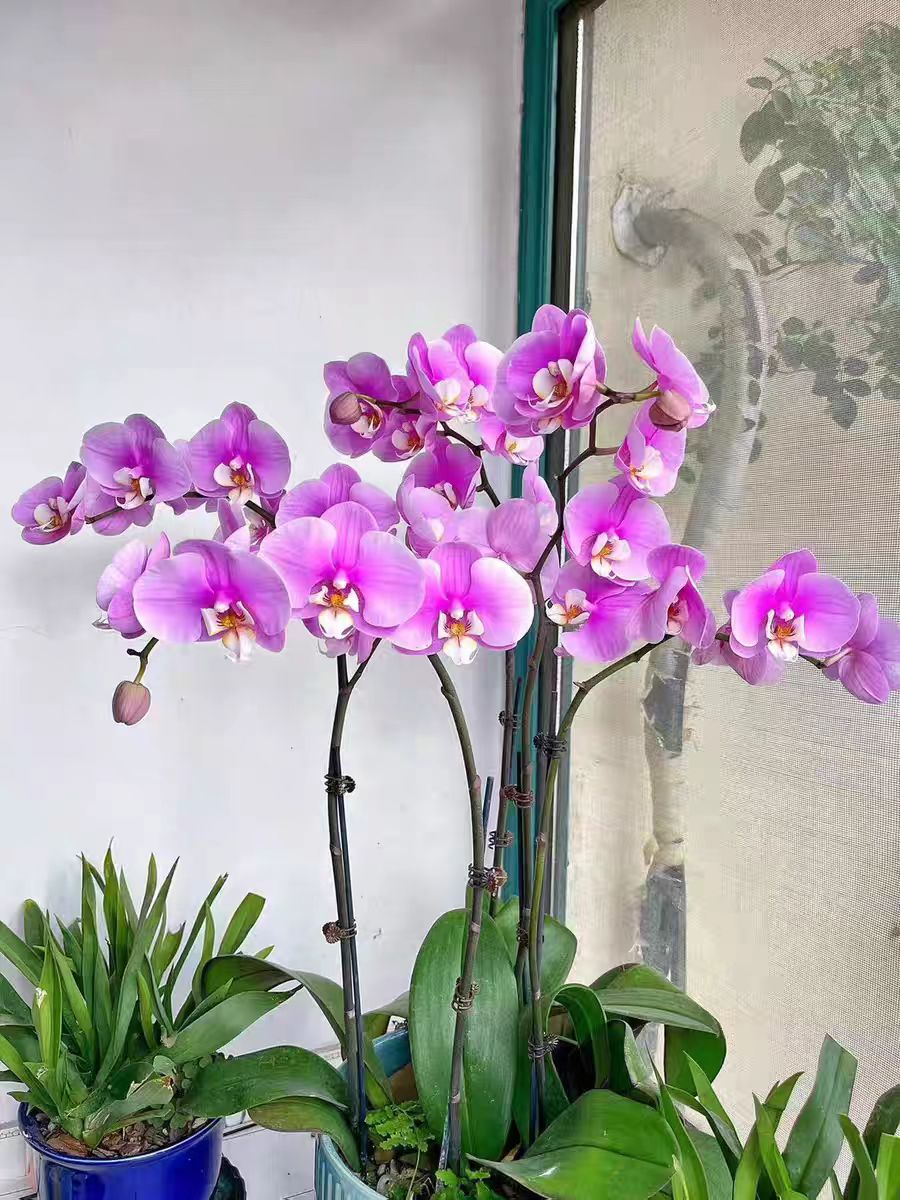
How many days should Phalaenopsis be sun-dried after repotting?
Friends who grow Phalaenopsis must have encountered the need to repot their plants. Common questions include: how to handle the plant after repotting, whether
-

Can Phalaenopsis seedlings be repotted? How soon after repotting should they be fertilized?
A flower enthusiast asked: can a newly acquired Phalaenopsis seedling be repotted right away? And after repotting, when should it be fertilized? For beginners, the care of Phalaenopsis, especially the repotting and fertilizing of new seedlings, is a key step that requires extra attention. If your Phalaenopsis seedling was bought from a flower market or online, just after arriving home
-

How do you tell good orchid bark from bad, and how often should it be replaced?
Anyone who grows Phalaenopsis orchids knows that bark is the little home of a Phalaenopsis, and whether the bark is good or not directly affects the orchid's condition. So how do you judge whether the bark used for Phalaenopsis is good or bad, and how often is it best to replace this bark? The first thing to do when you get your bark is to smell it. Good bark has no pungent odor
-

How do Phalaenopsis orchids absorb nutrients, and what fertilizer should be used when the leaves turn yellow from malnutrition?
Many flower lovers who grow Phalaenopsis orchids notice yellowing leaves and few flowers, and their first reaction is malnutrition! But have you ever thought about it: this plant doesn't grow in soil, and it isn't watered any less than usual, so where exactly does it absorb nutrients from? Phalaenopsis orchids are quite different from ordinary plants! The roots of Phalaenopsis have an amazing ability - aerial roots
-

What kind of water should you use to wipe Phalaenopsis orchid leaves, and can you use olive oil?
Phalaenopsis orchid leaves look dull and dusty - what should you actually use to wipe them clean? People online say to wipe the leaves with olive oil - is that reliable? This question is so down-to-earth! After all, who doesn't want their Phalaenopsis orchid leaves to be glossy and shiny, making the flowers look even more ethereal and elegant? What kind of water should you use to wipe Phalaenopsis orchid leaves? The safest and easiest option is nothing other than plain water!
-

What kind of bark should be used to grow Phalaenopsis orchids, and should they be kept constantly moist?
When caring for Phalaenopsis orchids, choosing the right growing medium is crucial, and bark, as a material with good breathability and moderate water retention, has become the first choice for many orchid growers. So which kind of bark is actually suitable for growing Phalaenopsis orchids? And do they need to be kept constantly moist? Phalaenopsis and the green
-
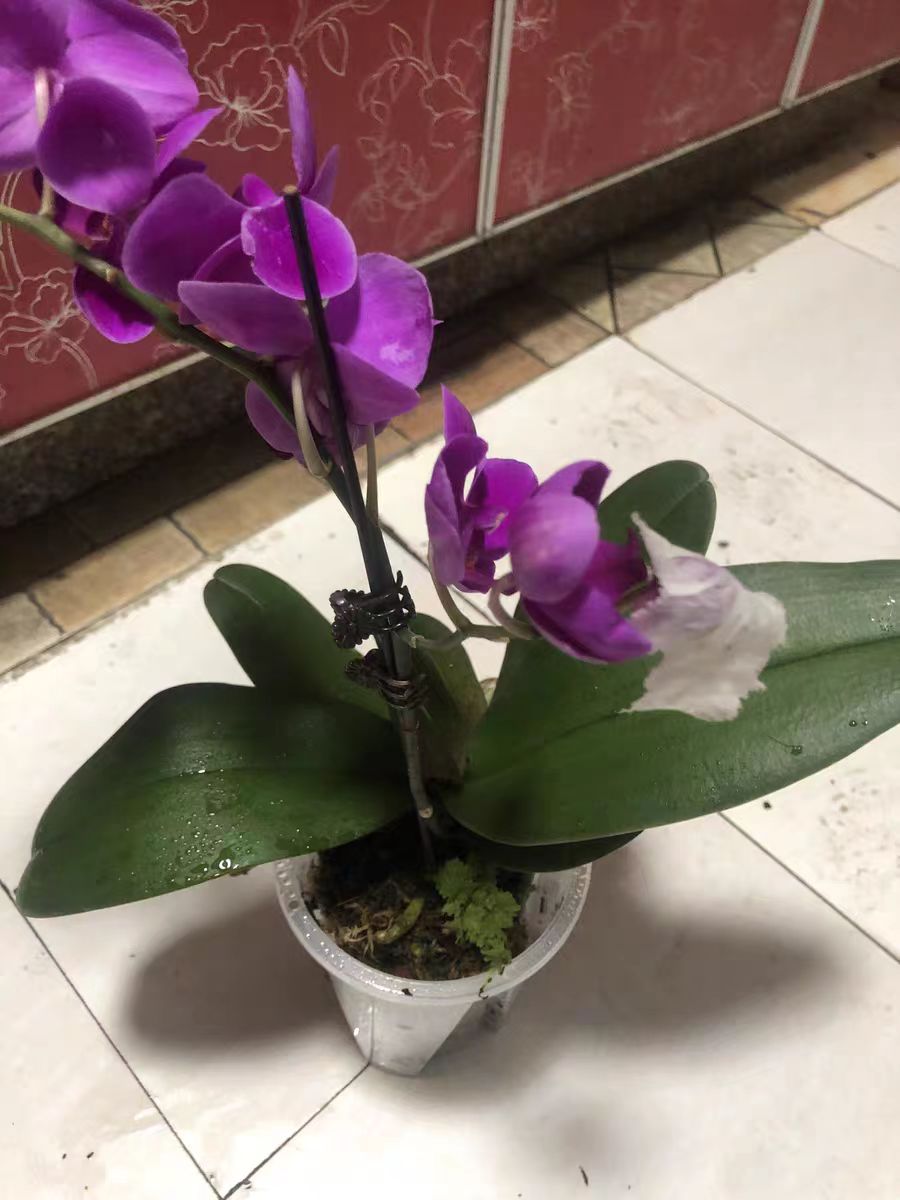
Should the original sphagnum moss be removed when repotting young Phalaenopsis seedlings?
Many flower enthusiasts feel confused when repotting young Phalaenopsis seedlings: should the original sphagnum moss be removed? How to repot them to ensure
-
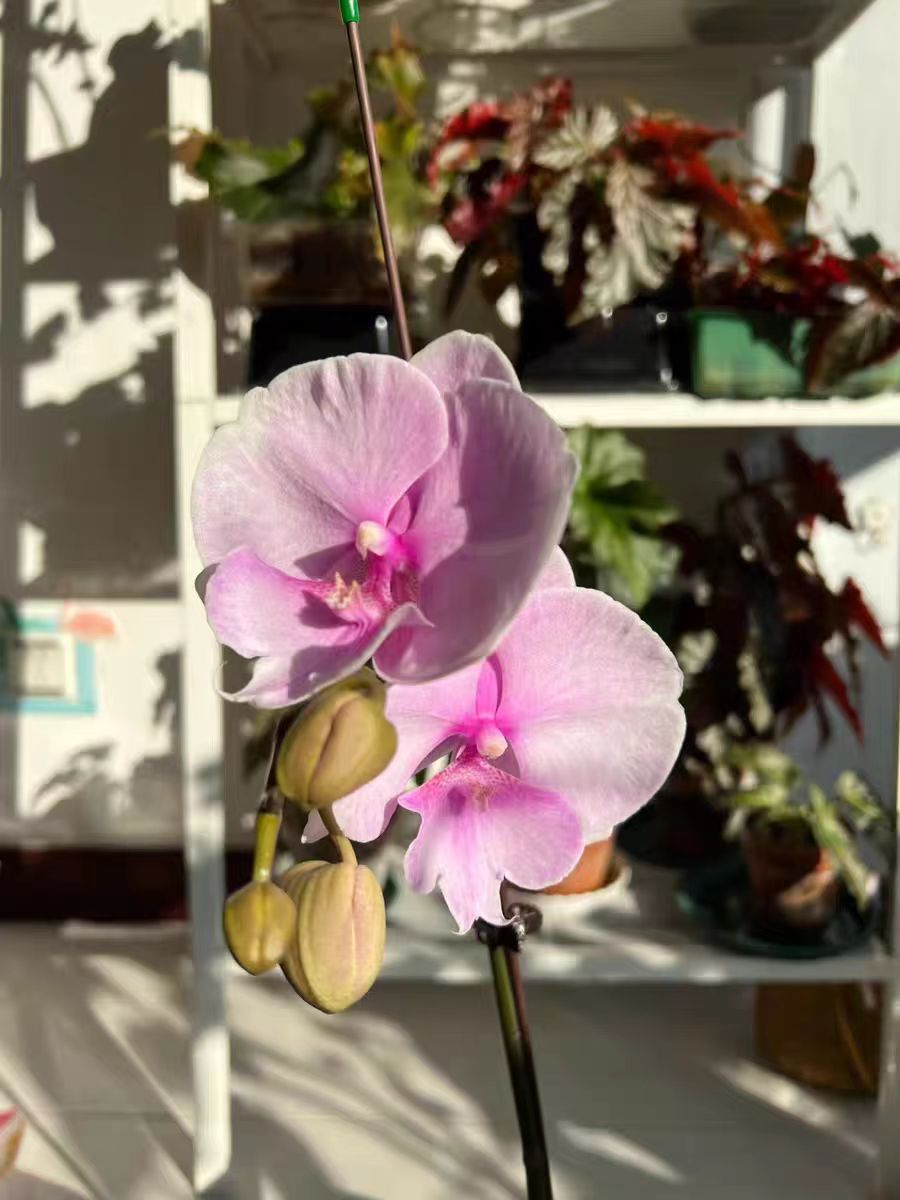
What should I do if Phalaenopsis has too many long old roots?
Phalaenopsis growers must have encountered this: the pot is filled with numerous long old roots, some even black and rotten, which is worrying! Phalaenopsis
-

Too many long old roots on your Phalaenopsis orchid, and the roots are aging and rotting - what should you do?
Anyone who grows Phalaenopsis orchids has surely run into this: the old roots in the pot are numerous and long, and some have even turned black and rotted - just looking at them is upsetting! Phalaenopsis roots are not just ordinary decoration; they not only absorb water and nutrients but can also carry out photosynthesis, making them truly multi-functional players! If you find the old roots packed densely
-

Should the original sphagnum moss be removed when repotting Phalaenopsis seedlings? A detailed guide to the potting method
Many flower lovers who grow Phalaenopsis seedlings get worried when it comes to repotting: should the original sphagnum moss be removed? How should you pot them so the seedlings survive well? Here are the key points straight away. Should the original sphagnum moss be removed or not? The answer is it must be removed, but not all of it! Phalaenopsis is an aerial-root plant, and in its native environment it relies on loose
条件筛选