-

Does the Phalaenopsis orchid fear the sun, and what should be done if its leaves dry out after sun exposure?
In the morning, when you open the curtains and look at the Phalaenopsis orchid on the balcony, should you let it get some sun? Some people say, "Flowers need sun to bloom vibrantly," but you also worry that too much sun will make the leaves dry up like greens that have been drained of water, which is really puzzling. Phalaenopsis orchids aren't unable to get sun; they fear that kind of "harsh sun." Their native environment is under the shade of trees in tropical rainforests, and they simply can't grow in places that are exposed to strong sun all day. So if you're growing them at home, you need to find a "semi-shaded" spot for them - the slanted morning sun before 9 a.m. is fine for a while, but the strong light at noon and in the afternoon must absolutely be blocked. Healthy Phalaenopsis orchid leaves are glossy, thick, and neatly edged. If they get too much sun, the leaf tips first turn scorched yellow, and in severe cases, the entire leaf will wrinkle and turn gray, feeling dry and rough, as if it has been roasted.
-
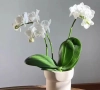
Why Are the New Leaves of Your Phalaenopsis Orchid Splitting, and How Should You Handle It?
Phalaenopsis orchids (moth orchids) are elegant and beautiful, but when the new leaves suddenly split, it really ruins their looks! In fact, it is mostly due to a few care details being done poorly. Today I will help you pinpoint the causes, with simple solutions attached. Cause 1: The environment is too dry. Phalaenopsis orchids like moisture; when the air humidity drops below 50%, the new leaves lose water and become brittle, making them easy to "split open," especially in warm
-
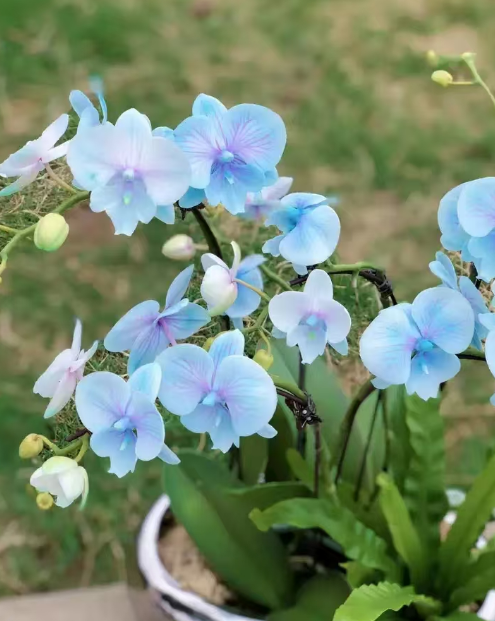
Should rootless side shoots on Phalaenopsis orchids be cut off? Here's the correct way to separate them
Once you've grown Phalaenopsis orchids for a while, you'll notice that old plants and new plants have completely different "temperaments" - they differ greatly just in watering, let alone flowering performance. So how should you care for this old-and-new pair in summer so they both grow smoothly? First, let's talk about the difference in watering. Old plants, well, their root systems are already established, and some old roots on the outside
-

What are the signs of nutrient deficiency in Phalaenopsis orchids, and how should you fix it?
When it comes to nutrient deficiency in Phalaenopsis orchids, the signs are very obvious and can be spotted at a glance. Yellowing leaves, shrinking roots, a shortened blooming period... these seemingly ordinary symptoms are actually the plant sending its owner a signal that it is not getting enough nutrients. First, look at the leaves. A healthy Phalaenopsis orchid has thick, glossy leaves that feel firm
-
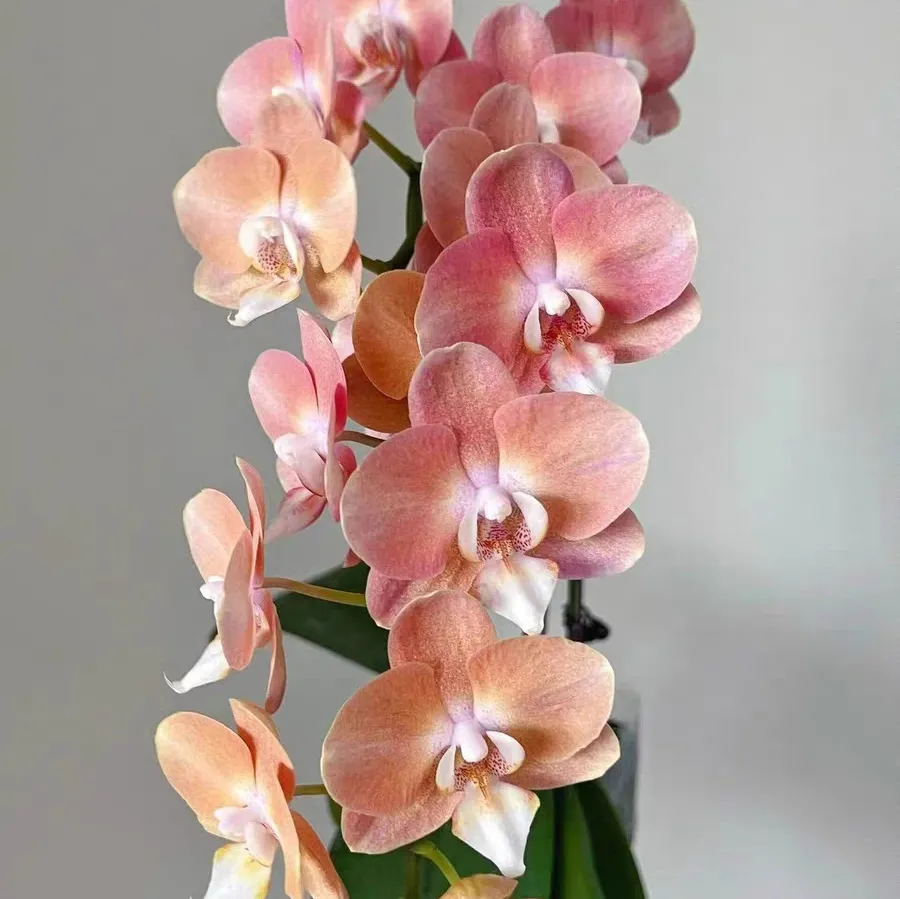
What should I do if the crystal tip of the Phalaenopsis rots?
One of the most distressing things about growing Phalaenopsis orchids is seeing the crystal tips (healthy root tips) turn black and rot. However, with timely
-
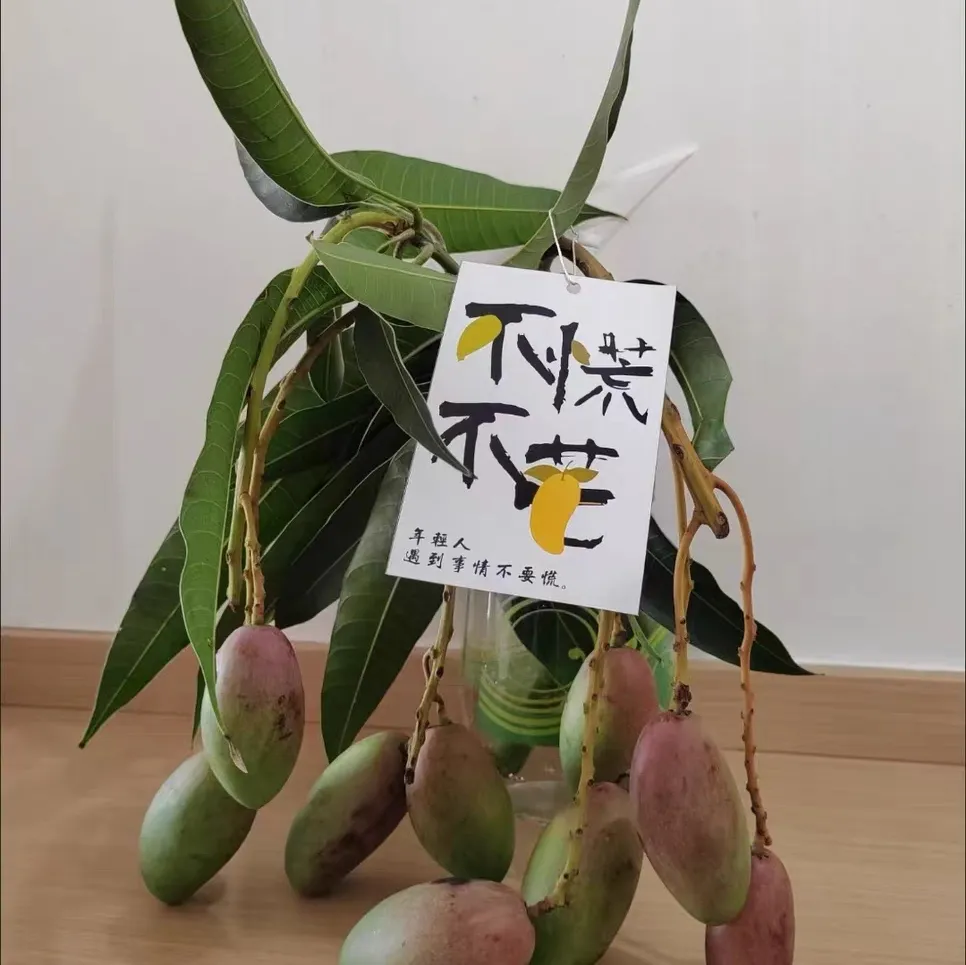
What should I do if the mango pit sprouts in hydroponics?
Who hasn’t tried growing green plants from a mango pit yet! As someone who went from a "plant killer" to a "green plant pro," I sincerely recommend to all
-

Where is the best place to put a Phalaenopsis in summer, and should you water more or less?
When growing Phalaenopsis in summer, where is the most suitable place to put it? Should you water more or less? Actually, once you understand these two things, your Phalaenopsis can still stay plump and healthy in summer, so don't think of it as too delicate. The summer sun is harsh, and Phalaenopsis cannot withstand direct blazing sun. If you put it right in the middle of a south-facing balcony, just two hours of midday sun can
-

When does the high-incidence period for Phalaenopsis pests and diseases occur, and what should be noted for prevention and control?
When it comes to Phalaenopsis (moth orchid), the flowers are certainly beautiful, but if pests and diseases strike, that is really frustrating. Many people wonder why a perfectly healthy flower suddenly wilts while they are caring for it. In fact, its illnesses are not without patterns, and there are certain periods when problems are especially likely to arise. The transition between spring and autumn each year is when Phalaenopsis pests and diseases
-

Will Phalaenopsis air roots die if they are exposed outside? How should they be cared for?
The easiest mistake for beginners growing Phalaenopsis to make is to see those aerial roots popping out of the pot and always think, "The roots are all exposed, it definitely won't live long," and then either stuff them back into the pot or simply cut them off, only to end up killing a perfectly good plant. In fact, Phalaenopsis aerial roots not only won't die when exposed outside, but it is actually a normal phenomenon,
-

When do Phalaenopsis leaves tend to become crooked, and how should you fix them after they do?
The leaves of a Phalaenopsis that were neatly arranged at first quietly lean to one side before you even notice, and some even curve like a crescent moon, which looks really awkward. Actually, this crookedness doesn't happen suddenly; it mostly occurs during two periods. If you spot the timing and prevent it in advance, or remedy it promptly once you notice, you can get the leaves standing upright again. Pha
条件筛选