-

How to tell when orchid bark has gone bad and how to replace it?
Fellow Phalaenopsis growers have surely run into the problem of spoiled bark, right? In fact, bark is the Phalaenopsis's "staple food," and once it spoils it directly affects the health of the orchid. Today let's talk about how to tell whether the bark has gone bad and how to replace it. How can you tell the bark has spoiled? The most direct way is to smell it. Fresh bark
-

Are waxy-flowered Phalaenopsis orchids prone to wilting and hard to grow?
"Are waxy-flowered Phalaenopsis orchids especially prone to wilting? Are they super hard to grow?" These two questions are practically the ultimate test for anyone growing waxy Phalaenopsis orchids! Waxy-flowered Phalaenopsis varieties have won the hearts of many flower lovers thanks to their petals, which are as thick as wax and beautifully glossy. But when it comes to whether they wilt easily or are hard to grow, many people have
-

What does it mean when a Phalaenopsis orchid has a flower spike? What is the difference from one without a flower spike?
During the care of Phalaenopsis orchids, the appearance of a flower spike often fills people with anticipation and surprise. So what exactly does a Phalaenopsis orchid with a flower spike mean? And how does it differ from a Phalaenopsis orchid without a flower spike? The flower spike of a Phalaenopsis orchid is not an ordinary leaf, but a slender stem growing from the center of the plant or from a leaf axil.
-

What potted plants should beginners grow that aren't overdone? Five low-maintenance flowers to recommend
New to plants and want to grow something special, but afraid of picking a trendy variety that's everywhere? Today I'm sharing five niche, easy-to-grow potted plants, each with its own unique vibe, guaranteed to turn your little balcony into a high-end botanical garden in no time! Nandina: In spring and summer, nandina's leaves are bright and glossy green, and come autumn and winter it transforms into a "
-

Which Trailing Plants Are Prone to Problems and How to Solve Common Issues
Does anyone else feel like they just can't walk past a trailing plant? Fuzzy leaves, cascading strings of flowers - hang one on the balcony and the whole vibe instantly goes up a notch! But as you care for them, you start to realize some trailing plants are absolute "problem children," throwing tantrums every few days. King fern: the King fern looks majestic, but it's actually a delicate
-

What does "flower spike" mean in Phalaenopsis orchids, and is a thick one better or a thin one?
Those who have just started growing Phalaenopsis orchids have surely heard the word "flower spike" many times. What is a flower spike? Is a thick one better or a thin one? For novice gardening enthusiasts, understanding the meaning of the flower spike and its morphological characteristics is crucial for cultivating healthy and beautiful Phalaenopsis orchids. Simply put, the flower spike is the signal stalk that indicates a Phalaenopsis orchid is about to bloom
-

Can Phalaenopsis orchids be eaten, and will you get poisoned if you accidentally eat them?
The Phalaenopsis orchids grown at home bloom so beautifully - can they be eaten? After all, Phalaenopsis orchids look like works of art, and they are usually kept at home as decoration, so who would think of linking them with "can they be eaten"? Today let's find out whether this ethereal-looking flower can actually go into our stomachs. To say whether Phalaenopsis orchids can be eaten, we must
-
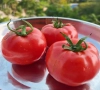
Are Cherry Tomatoes the Same as Regular Tomatoes? Understanding the Differences in One Article
Although cherry tomatoes and regular tomatoes are both called tomatoes, they are actually quite different! From the inside out, let's take a closer look. First, the appearance: cherry tomatoes are like cherries, small and delicate, generally about the size of a ping-pong ball, weighing 10-30 grams, with round or oval shapes and especially rich colors - red, yellow, purple
-

Are all flowers prone to root rot? A rundown of plant varieties that easily suffer root rot
In the world of flower growing, some flowers, though highly attractive, have "fragile" root systems and are prone to root rot with the slightest carelessness. But not all flowers are prone to root rot; whether a flower is prone to root rot is closely related to the plant's own growth habits, root characteristics, as well as environmental factors and care management practices during cultivation
-
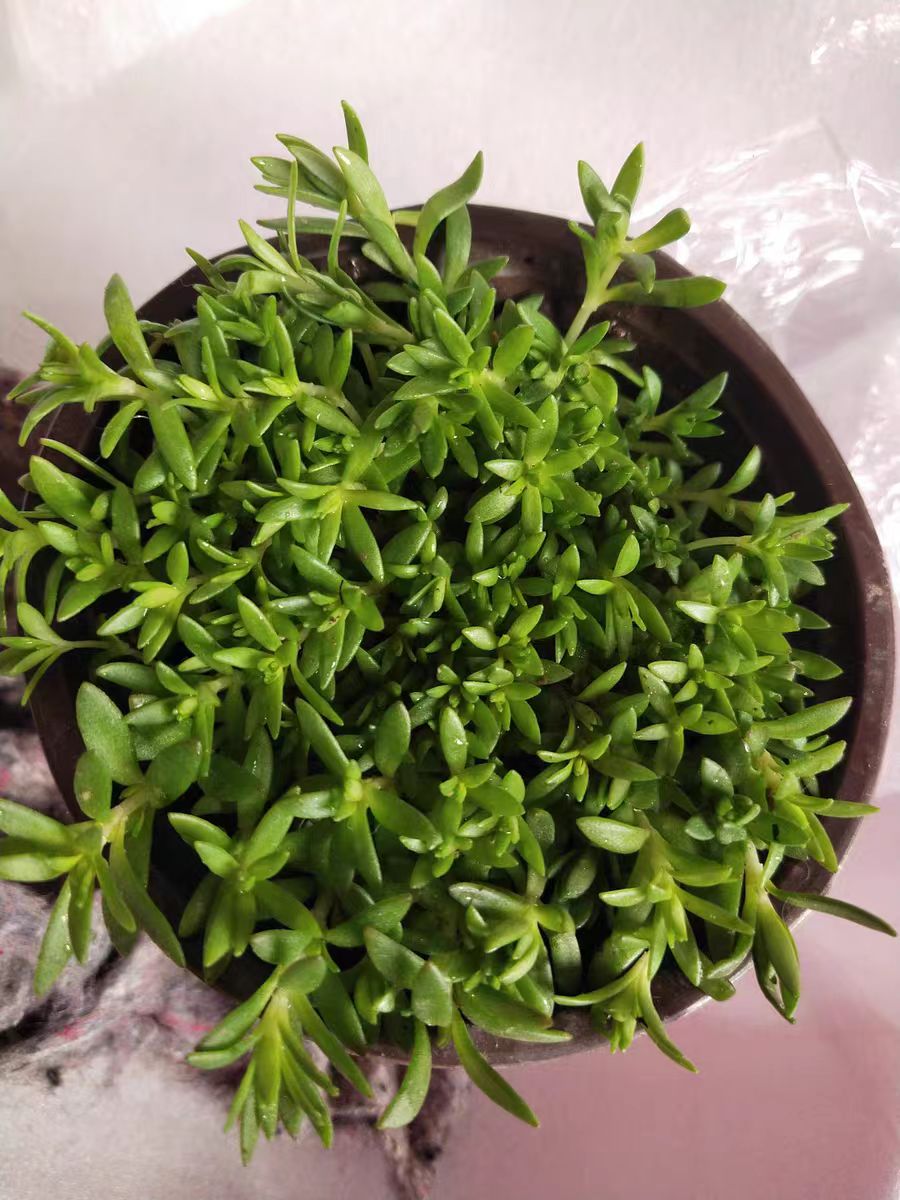
How to Propagate Succulent Creeping Stonecrop by Cuttings?
Creeping stonecrop (Sedum sarmentosum) is a succulent herb with fleshy leaves. Not only is it visually appealing, but its entire plant can be used for
条件筛选