-
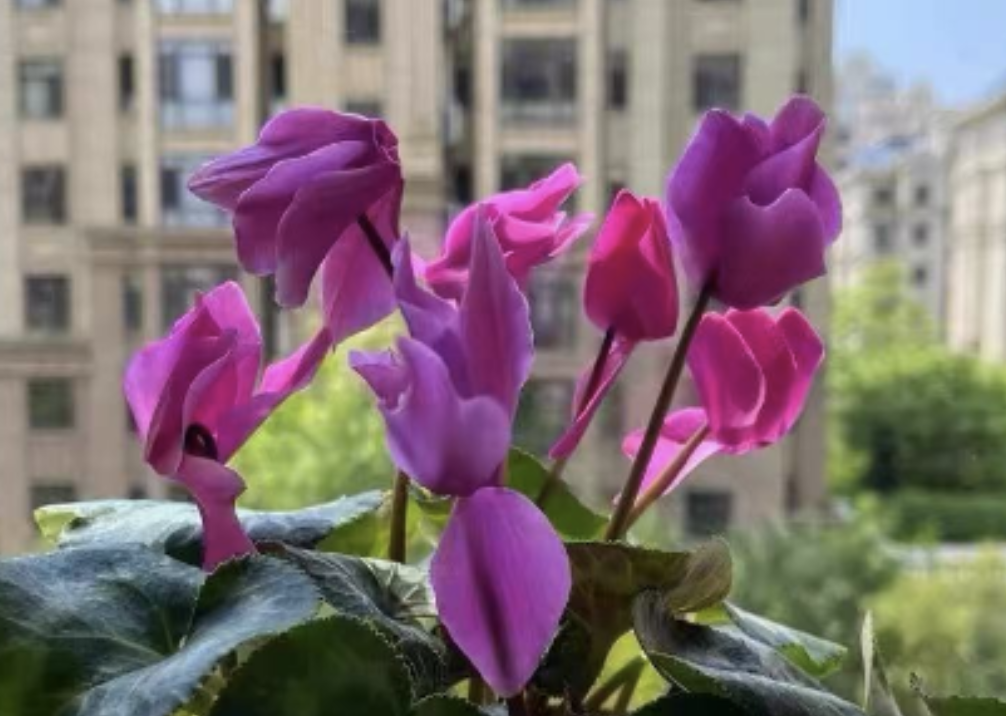
Can flowers really bloom in winter? These beautiful and blooming varieties will make your winter beautiful with just one pot!
Many people feel that "everything withers" in winter, always saying, "With the cold, what flowers can still bloom?" But that's actually not true! Winter is
-
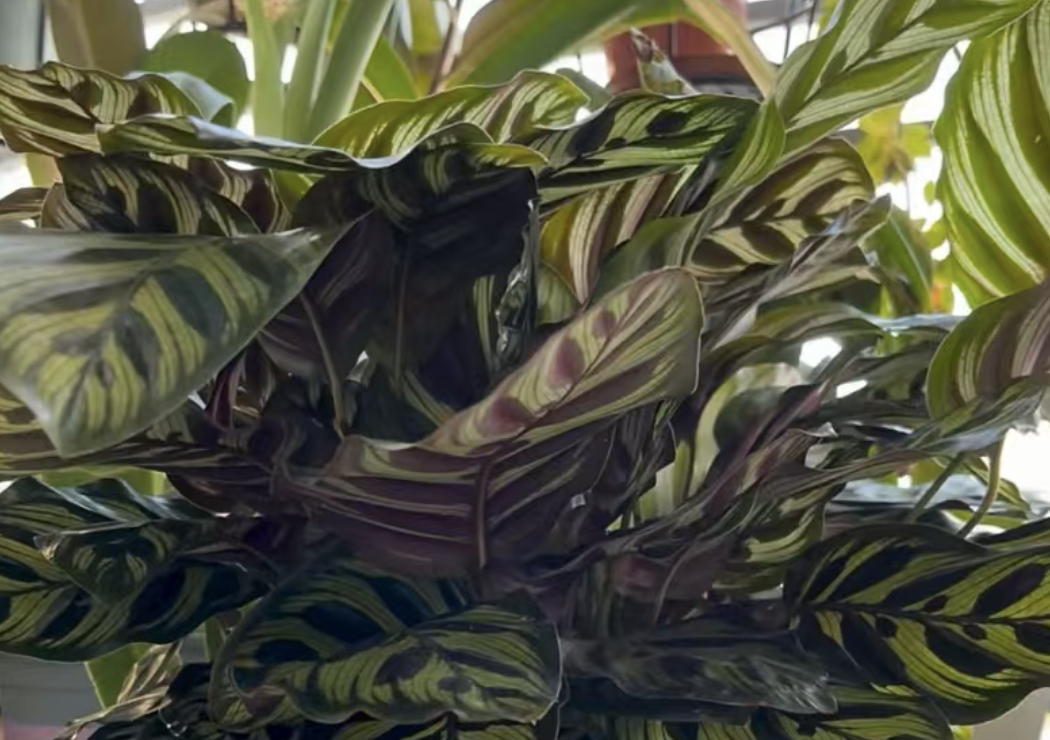
Which plants can humidify the air? What plants are good to place in an air-conditioned room in summer?
As the dog days of summer arrive, the heat becomes unbearable, and people often find themselves staying indoors in air-conditioned rooms. Therefore, having
-
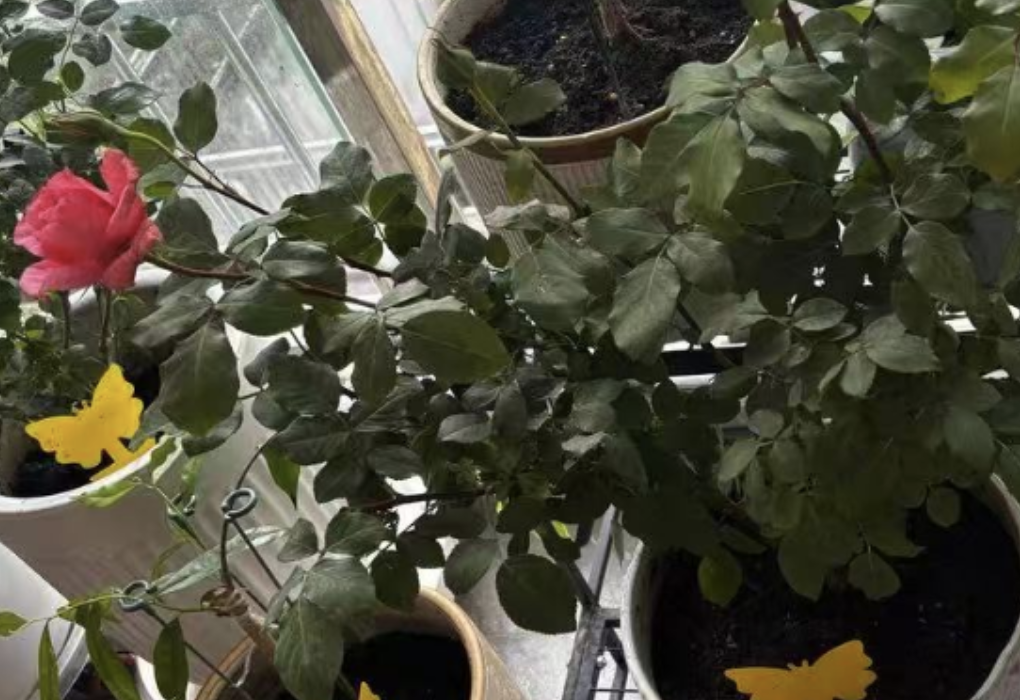
Can You Move Garden Flowers Into Pots? These Ones Grow Even Better After!
The other day, a neighbor asked me: “Can I dig up the roses from the flowerbed downstairs and put them in pots? My balcony is empty, and I’d love to move them
-
After upgrading the cup of young Phalaenopsis seedlings, learn step by step how to grow strong seedlings, identify roots, and care for them all in one go
When growing young Phalaenopsis seedlings, many flower enthusiasts always think "young seedlings don't need an urgent cup change," and end up stifling the seedlings! Just like this 1.7-inch tissue-cultured seedling at the base, after only 4 months of growing, the roots are already densely emerging and look about to drill out from the bottom of the cup - at this point, it must be upgraded in time, switched to a 2.5-inch cup, to give the young seedling enough
-
Propagate These 4 Common Flowers from Cuttings in Autumn: Snip a Stem and Leaf, Stick It in Soil, and Easily Turn One Pot into Many
Autumn has suitable temperatures and just the right humidity, without the scorching sun of summer or the bitter cold of winter, making it practically the "golden season" for flower cuttings. For many easy-to-grow, hardy plants, no complicated steps are needed - just cut off a stem and leaf, stick it into the soil, and it will take root and grow into new life. The several common plants below are perfect for
-
Which bougainvillea varieties are the easiest to grow at home, and which ones should be chosen with caution?
Some plants come with a riot of color as if a palette had been knocked over, breaking the monotony with their variegated leaves and injecting fresh vitality into a space. Below are a few recommendations of high-appeal colorful-leaf plants that even seasoned flower lovers keep at home, letting your time indoors take on nature's vibrant hues. Calathea - Calathea is the "warm
-

How many Phalaenopsis orchids should be planted in one pot? Is a single plant or multiple plants more suitable?
Many friends who are just starting to grow Phalaenopsis orchids will wonder: how many of these flowers should be planted in one pot? Is it better to plant a single one in its own pot, or to crowd several together so it looks livelier? Actually, this isn't that complicated. The key is whether you want to grow it well long-term and have it bloom year after year, or just display it temporarily at home to add some festive cheer - two
-
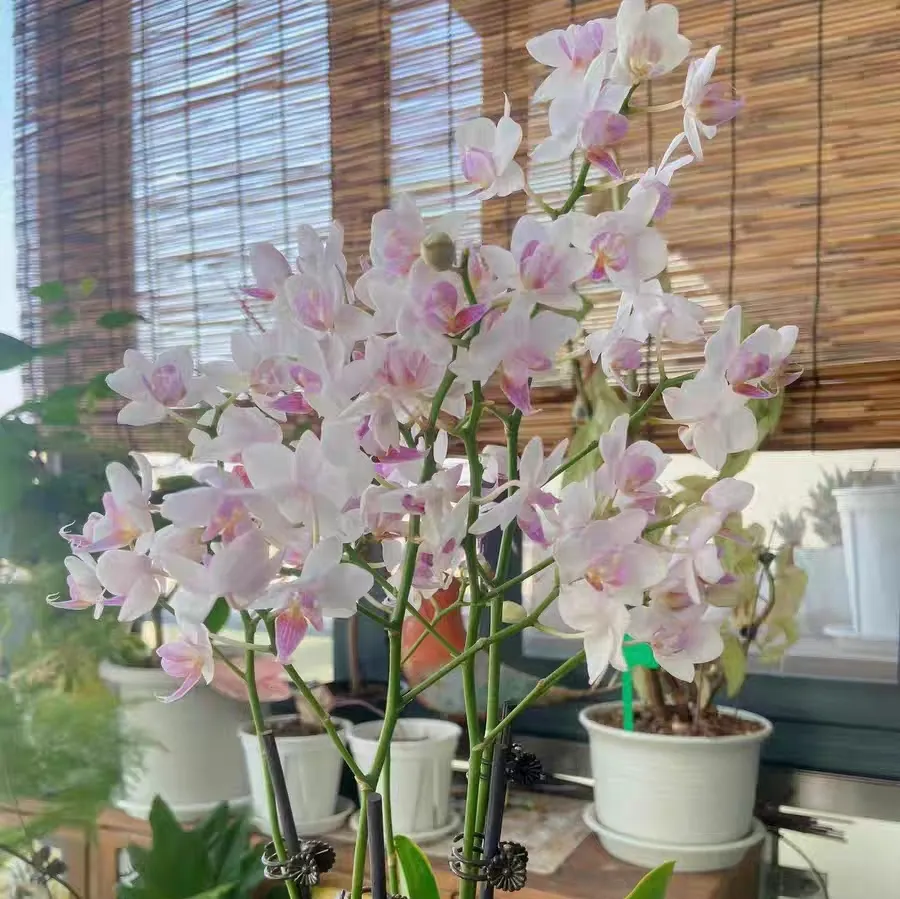
Phalaenopsis in semi-hydroponic culture is prone to root rot.
When it comes to "lazy people's blessings" in Phalaenopsis care, semi-hydroponics is definitely one of them! You don't need to struggle to remove old growing
-

Can Phalaenopsis aerial roots be buried in sphagnum moss without being prone to dying?
Those aerial roots that Phalaenopsis sends out from beside its leaves - can they actually be buried in sphagnum moss? It always feels awkward to just let them dangle outside, but I'm also afraid that burying them might end up killing the plant. First, you need to understand that Phalaenopsis aerial roots are not ordinary roots. If you look closely, you'll find that most of them are green or
-

Does the Phalaenopsis orchid fear the sun, and what should be done if its leaves dry out after sun exposure?
In the morning, when you open the curtains and look at the Phalaenopsis orchid on the balcony, should you let it get some sun? Some people say, "Flowers need sun to bloom vibrantly," but you also worry that too much sun will make the leaves dry up like greens that have been drained of water, which is really puzzling. Phalaenopsis orchids aren't unable to get sun; they fear that kind of "harsh sun." Their native environment is under the shade of trees in tropical rainforests, and they simply can't grow in places that are exposed to strong sun all day. So if you're growing them at home, you need to find a "semi-shaded" spot for them - the slanted morning sun before 9 a.m. is fine for a while, but the strong light at noon and in the afternoon must absolutely be blocked. Healthy Phalaenopsis orchid leaves are glossy, thick, and neatly edged. If they get too much sun, the leaf tips first turn scorched yellow, and in severe cases, the entire leaf will wrinkle and turn gray, feeling dry and rough, as if it has been roasted.
条件筛选