-

Can a Gloxinia still grow leaves with only one tuber left? Detailed guide to the sprouting method
Gloxinia (Sinningia speciosa), as a beautiful indoor flowering plant, has quite tenacious vitality. Even if only the tuber remains, as long as it is cared for properly, it can still grow new leaves again and bloom. The key lies in providing a good growing environment and the correct care methods. Care points: Temperature control: keep the indoor temperature above 15°C
-

The Benefits and Effects of Purple Coneflower and the Best Month to Sow It
Today I'd like to give you a proper introduction to the purple coneflower, a flowering plant that really catches the eye in the garden. The purple coneflower, scientifically known as Echinacea, is a perennial herbaceous plant in the genus Echinacea of the aster family. It is native to North America and, thanks to its beauty and practical value, is widely grown around the world. The flowers of the purple coneflower are truly superb; its blooms
-

Is it better to plant 6 or 5 Phalaenopsis orchids in one pot? How to handle them right after buying
Many people say that growing Phalaenopsis orchids well is a course that needs to be learned, and that ordinary beginners cannot grow them well. In fact, saying this is too one-sided. Although Phalaenopsis orchids are a bit more delicate compared with other flowers, if you reasonably master scientific care, you can still grow them into a beautiful sight. So what needs attention in care
-
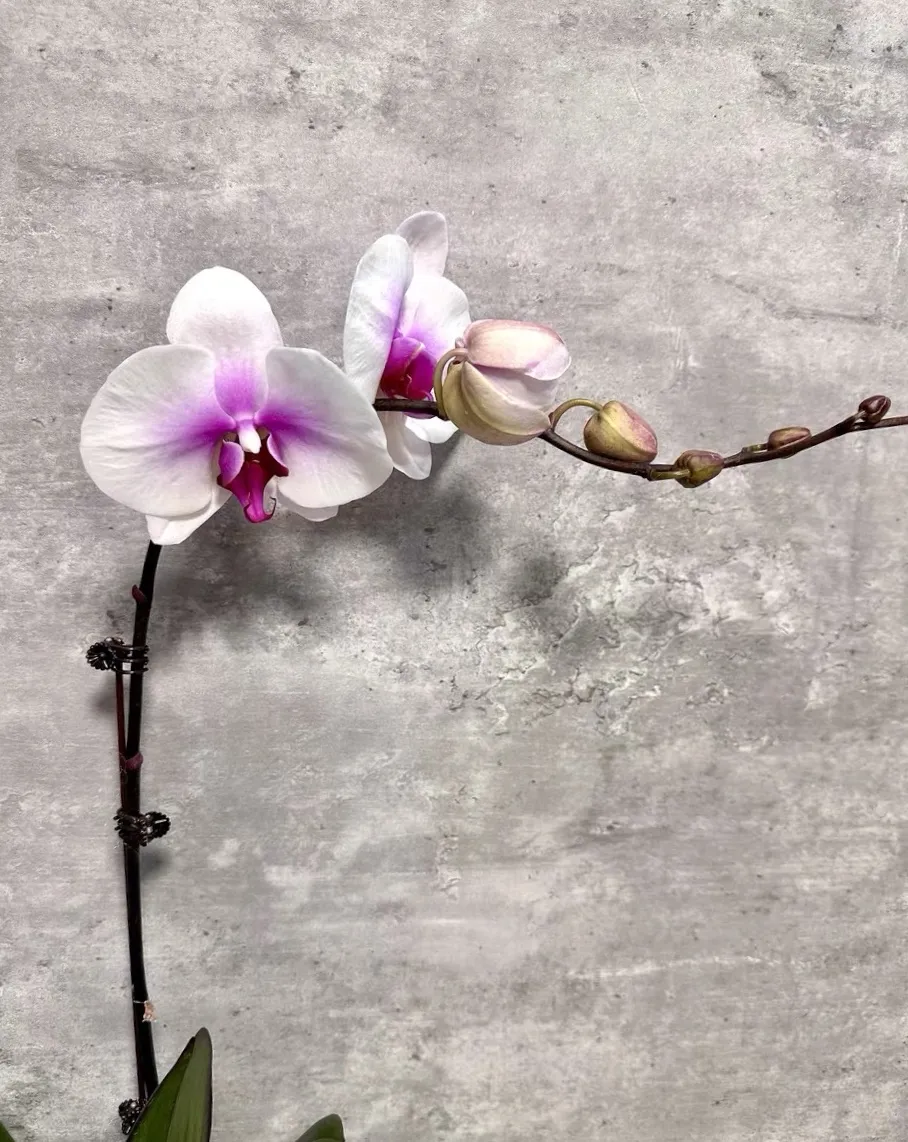
Is the Phalaenopsis Wedding Dress variety a large-flowered one?
The Phalaenopsis "Wedding Dress" belongs to the large - flowered type of Phalaenopsis. The flower diameter can reach 10 cm. When it blooms on the branches, it
-
What is the difference between apricot blossoms and pear blossoms, and which one blooms first?
On a bright spring day, apricot blossoms and pear blossoms bloom in competition, adding color to the earth. Although they are both white-toned flowers that bloom in spring, they differ significantly in botanical characteristics, blooming periods and cultural connotations, each displaying its own unique charm. From the perspective of botanical classification and morphological characteristics, apricot blossom petals are rounded, ovate to nearly circular,
-
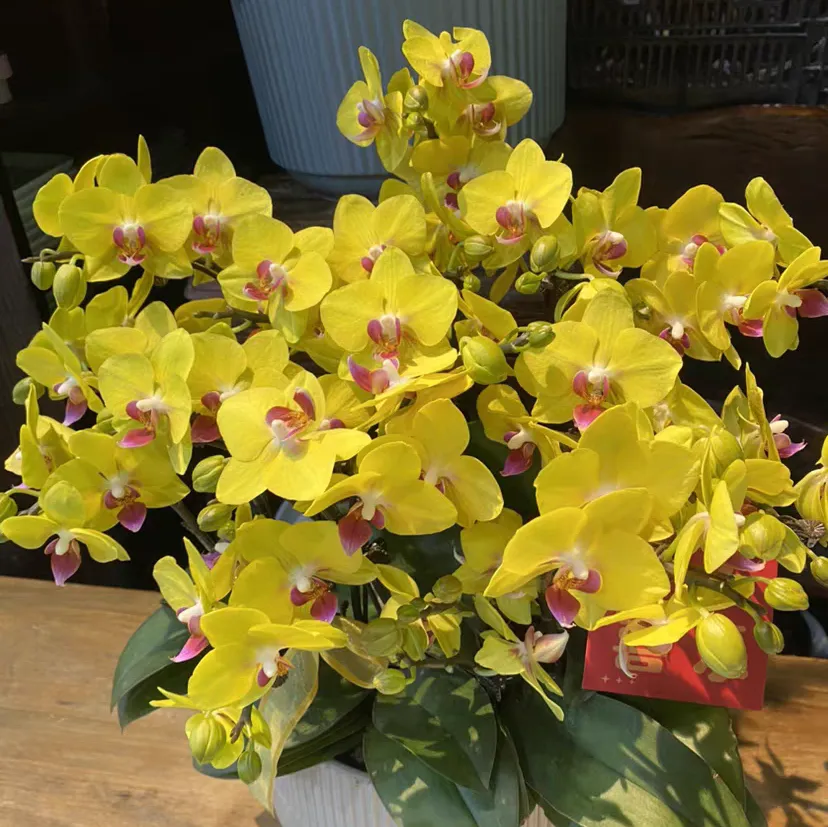
What should be done if the leaves of Phalaenopsis "Jinyu Mantang" are frostbitten?
During the Spring Festival, Phalaenopsis, with its unique charm, firmly holds the throne of New Year's flowers. Among them, the "Jinyu Mantang" variety is
-
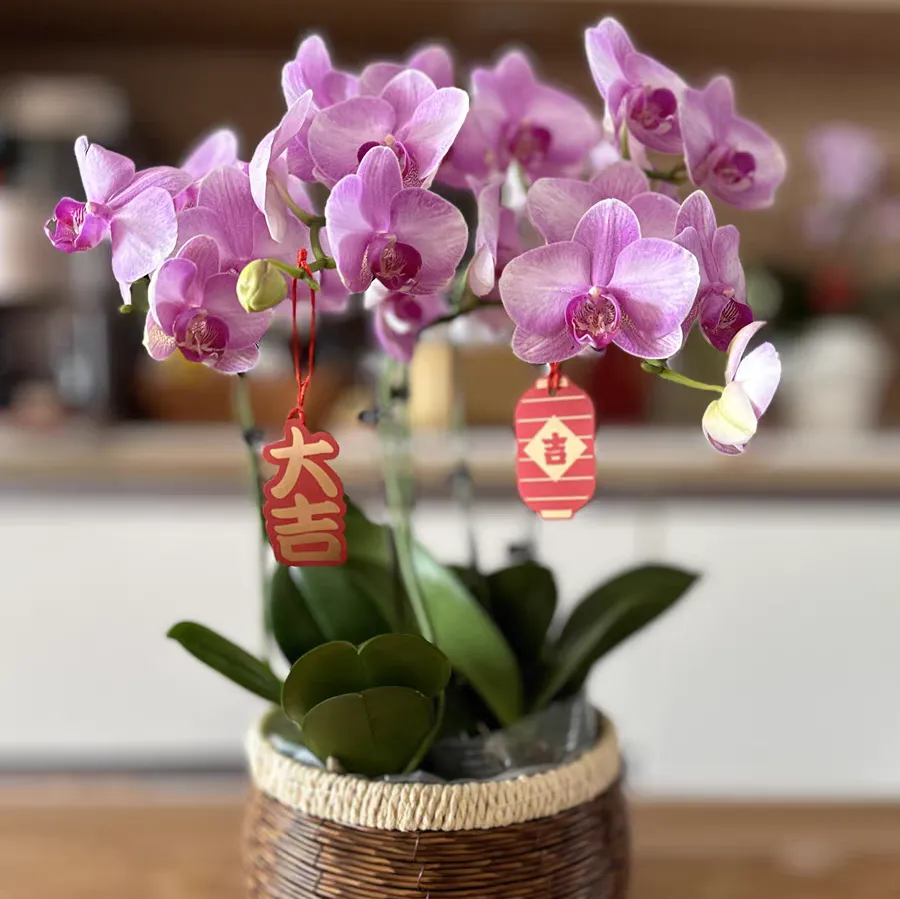
Is it better to cultivate Phalaenopsis in a stuffy environment or in a normal one?
During the Spring Festival, surely a few pots of beautiful Phalaenopsis orchids are indispensable at home. But when it comes to growing Phalaenopsis, many
-
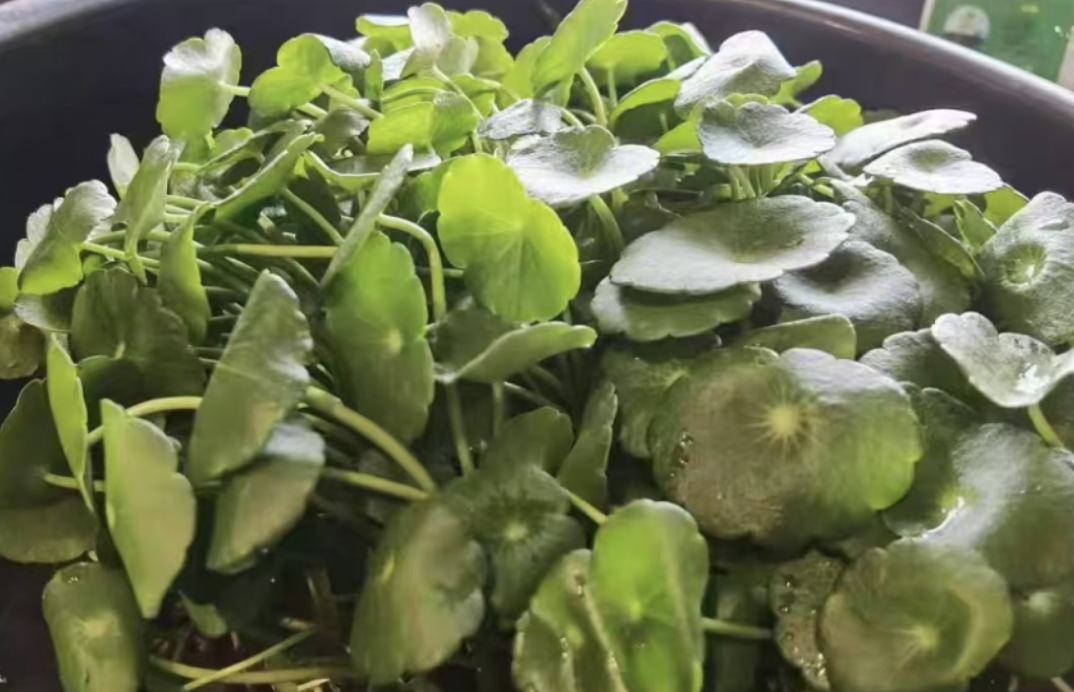
Which one is better, Pilea peperomioides or Hydrocotyle vulgaris?
Sometimes, even strangers can look alike on the road, but usually, we can tell them apart with a closer look. However, it can be much more difficult to
-

What is the difference between heartleaf philodendron and pothos, and which one is easier to grow?
I believe many households keep one or two pots of evergreen plants, especially families that have just finished renovating and want to rely on plants' natural ability to purify indoor air. However, as greenery plants, heartleaf philodendron and pothos are the two most commonly confused purchases, because they look very similar and at a glance you really cannot tell them apart right away. So how
-

What is the difference between blue daisy (Brachyscome) and marguerite daisy, and which one is easier to grow?
Walking into a flower market, thousands of flowers and plants greet the eye. For beginners just stepping into the world of flowers, everything seems novel, and at the same time some flowers and plants look extremely similar, and they worry about being ripped off by the stall owner like a sucker. Among them, blue daisy (Brachyscome) and marguerite daisy are the two plants that novice flower lovers most easily mistake for each other. How
条件筛选