-
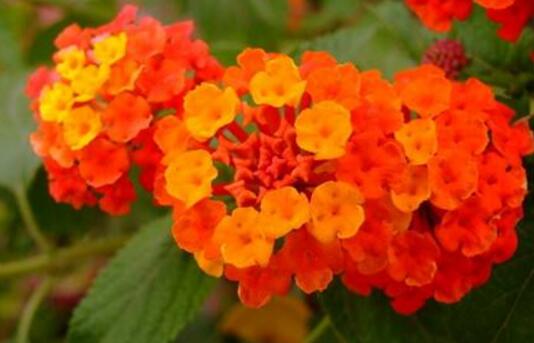
How to grow Lantana camara and what to watch out for: it needs plenty of light
Lantana camara is known for its changeable flower colors, beautiful flower shapes and deep green leaves, and it has a great many uses and benefits, so it is very popular with flower lovers, and more and more people are growing it. So how do you grow Lantana camara correctly? Let's look at how to grow Lantana camara and what to watch out for.
-

How do you grow Venus flytraps with big traps? The pot needs to be deep, the light needs to be ample, and water and nutrients must not be lacking.
Every summer, to avoid the annoyance of flies and mosquitoes, people choose to keep a Venus flytrap at home, because it is a mosquito-repelling plant. It is said that the Venus flytrap's traps can catch small insects such as flies and mosquitoes. The bigger its traps, the better it catches insects. So how do you grow Venus flytraps with big traps? On this point,
-
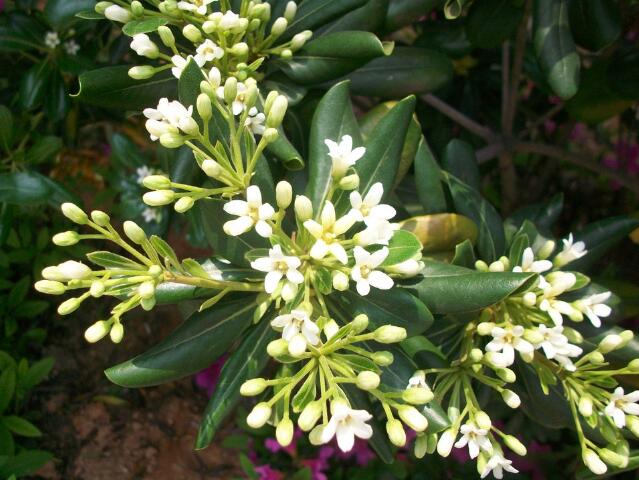
How to grow potted Aglaia odorata (mock lime) and what to watch out for: it needs plenty of light
Aglaia odorata is a highly ornamental flower, and it can be seen in many gardens across our country; growing it at home can also beautify the indoor environment. So how do you grow potted Aglaia odorata? What are the cultivation methods and precautions for Aglaia odorata? Let's take a look below.
-

How do you grow crape myrtle? It needs plenty of light when grown.
The crape myrtle is a relatively well-known plant with high ornamental value. It is grown in many regions of China, and many people choose to keep it at home, but the method of growing it at home is very important. How do you grow crape myrtle? What are the cultivation methods for crape myrtle?
-

How to grow potted Strelitzia reginae (bird of paradise) and points to note: it needs plenty of light
Strelitzia reginae, also known as the bird of paradise, has large, elegant leaves and peculiar flowers shaped like a crane's head, looking simply beautiful. In daily life, many people choose Strelitzia reginae when growing flowers, but most of them do not know how to grow it. For this reason, the editor has carefully compiled the growing methods and points to note for potted Strelitzia reginae
-
7 Reasons for Yellowing Cyclamen Leaves, Fertilizer, Water and Light Are the Main Factors and Care Needs to Be Strengthened
As a highly ornamental flower, many people choose to grow cyclamen at home. However, indoors is not the same as outdoors, and there are many things to pay attention to. With the slightest negligence, cyclamen will get sick, and symptoms such as yellowing leaves will appear. So what should you do when cyclamen leaves turn yellow? It is actually very simple
-

What preparatory work needs to be done before buying calves?
What preparations should be made before buying calves
-
Plum rain season has arrived, cotton needs early prevention and control of the "three harms"
Currently, cotton seedlings have entered the squaring stage, and at the same time have stepped into the annual plum rain season. According to meteorological data, from May 30 to 31, in some major cotton-producing counties, cities and districts of Wuhan, Xiaogan, Suizhou, Ezhou and other cities, rainfall reached over 100 mm, causing some cotton fields to be flooded by heavy rain, and in some low-lying sections of cotton fields the cotton seedlings were completely submerged. While cotton seedlings suffer from waterlogging damage, diseases and weed damage also follow one after another. The "three harms" of cotton have struck cotton farmers simultaneously. According to surveys, some cotton fields now have
-
Rabbits Have Particular Water Needs: A Full Breakdown of Scientific Watering Methods
As the saying goes, "Better to lack a handful of grass than a mouthful of water," which fully illustrates the importance of drinking water for rabbits. So, what exactly does water do for a rabbit's growth, what happens after a rabbit is short of water, and how do you give rabbits water scientifically? 1. The role of water in rabbit growth. In the various tissues of a rabbit's body, water accounts for 70%, and in the blood it can reach 80%; the water content of bones, muscles and internal organs is 45%-75%. Not only is water indispensable for the digestion, transport and absorption of nutrients from all kinds of feed, the excretion of waste products and toxins produced by metabolism is also inseparable from water.
-
List of 32 Banned Fish Drugs, Aquaculture Needs to Pay Attention
How to prevent and treat fish diseases and correctly use fishery drugs is very important. If fishery drugs cannot be used correctly, it will bring economic losses to aquaculture farmers. In this regard, Li Zhengjun, Director of the Fishery Drug and Fishery Feed Division of the Sichuan Provincial Fisheries Bureau, stated that some fishery drugs are banned by the state. If used, they will lead to very serious consequences. It is hoped that aquaculture farmers will never use banned fishery drugs. There are 32 types of banned fishery drugs in total, which are: phorate, benzene hexachloride (BHC), lindane, toxaphene, dichlorodiphenyltrichloroethane (DDT), calomel, mercurous nitrate, mercury acetate, carbofuran, chlordimeform, amitraz
条件筛选