-
How to Grow and Care for Phalaenopsis Salat Gold: Methods and Precautions
Phalaenopsis Salat Gold, also known as Lawrence, has petals around 5 cm across and is a highly charming waxy small-to-medium-sized variety. Its petals are a warm golden yellow, while the lip is tender pinkish-white, and it also gives off a faint, elusive fragrance. Most delightfully, its flowering period lasts as long as six months, and this exceptionally long ornamental period makes it a favorite among orchid
-

Using a mineral water bottle as a flower pot to grow Phalaenopsis orchids, how do you grow them well?
Many people like to reuse waste, especially mineral water bottles. Some turn them into measuring cups, and some flower lovers turn them into flower pots. So, since both are transparent, is a mineral water bottle suitable for making a Phalaenopsis orchid pot? In fact, as long as you are handy enough, a mineral water bottle can certainly be made into a Phalaenopsis orchid pot. So
-

How to Treat Moldy Moss on Phalaenopsis and Tips for Judging Whether Soil Is Good or Bad
Many people think of going to the flower market to buy flowers during holidays, because growing flowers and plants not only beautifies a space, but is also a practice of cultivating one's character and emotions. When it comes to the most popular flowers in recent years, that is naturally the "Phalaenopsis," also praised among the people as the "Queen of Orchids." After blooming, it attracts attention because its flowers resemble dancing butterflies.
-

How to use a root-control pot for Phalaenopsis orchids in the best way? Plus the simplest handling method
Phalaenopsis orchids can be said to be the flower that many flower stall owners choose as the star C-position pick, and the most easily overlooked part of their care is the "flower pot." Among the many pots, root-control pots have recently appeared, and this kind of pot is tailor-made for Phalaenopsis orchids in both design and breathability. So, in terms of care, what should be noted when using a root-control pot for Phalaenopsis orchids
-
How to Separate the Side Shoots of Phalaenopsis?
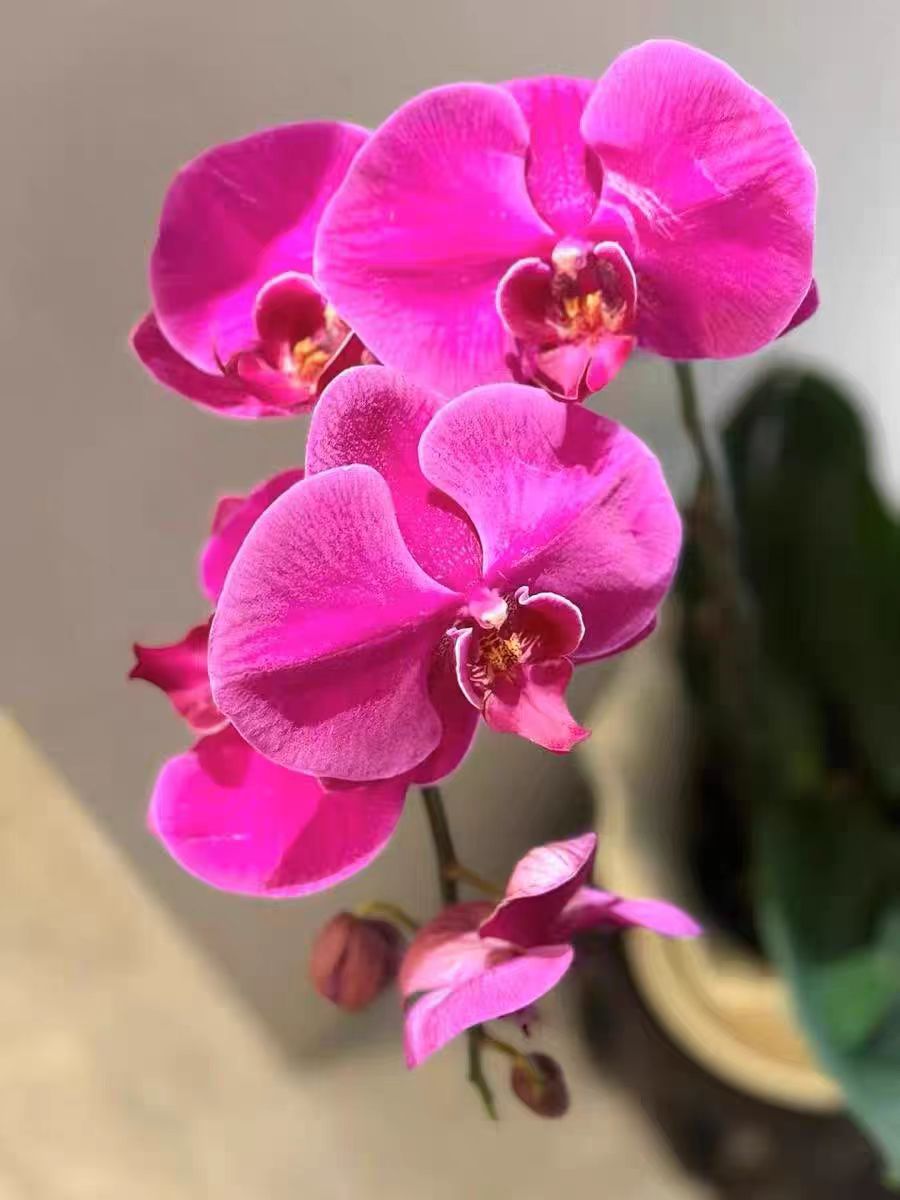
During the process of caring for phalaenopsis, when side shoots are found growing on the plant, it means there is an opportunity to propagate new plants.
-

Should You Water a Phalaenopsis Orchid After Repotting? How to Water It Correctly
When caring for a Phalaenopsis orchid, whether the new potting mix needs watering and how to water it correctly are two seemingly simple questions that actually hold hidden subtleties, directly affecting the orchid's growth and health. After repotting a Phalaenopsis orchid into fresh mix, whether to water immediately depends on the situation. If the new mix already holds some moisture
-

How to Separate Phalaenopsis Keikis and the Right Size for Transplanting
When growing Phalaenopsis orchids, spotting a keiki on the plant means you have a chance to propagate a new plant. However, mastering the correct methods of separating and transplanting the keiki is crucial, as it determines whether the new plant can grow healthily. When the keiki of a Phalaenopsis reaches 2 - 3 cm in height and has at least one mature leaf
-
How can succulent plants be propagated by leaf cuttings so that they will germinate?
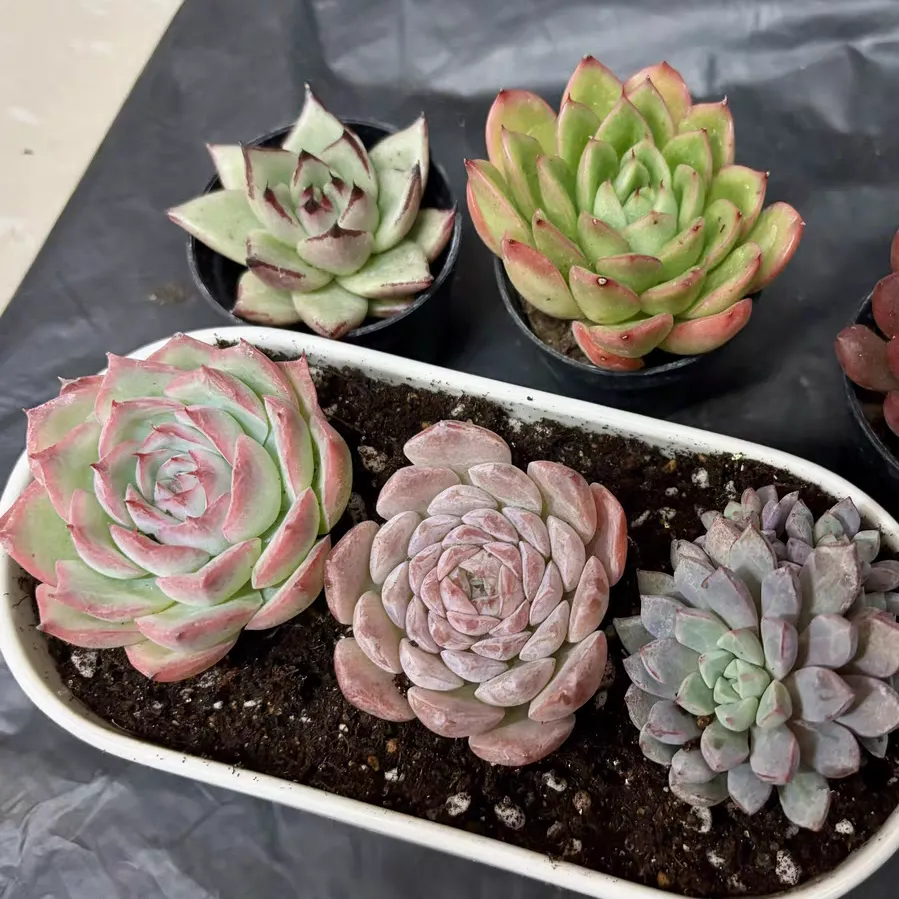
Who understands the joy of having one succulent plant turn into many! Today, I'll teach you step by step how to propagate succulents by leaf cuttings, and even
-

Signs of Poor Drainage in New Potting Soil for Phalaenopsis and How to Deal With It
Poor drainage in new potting soil is a common problem during Phalaenopsis (moth orchid) care. If not dealt with in time, it can seriously affect the growth and health of the plant. Understanding the signs of poor drainage and mastering the correct solutions is the key to helping Phalaenopsis thrive. Signs of poor drainage in new potting soil for Phalaenopsis: yellowing leaves
-
How to Propagate Succulents from Leaf Cuttings: Methods and Steps
Who else knows the joy of turning one plant into many! Today I'll walk you through how to propagate succulents from leaf cuttings, step by step, so even beginners can easily achieve "succulent freedom"! Leaf selection criteria: choose thick, plump leaves free of pests and diseases, and gently wiggle them left and right to remove them whole, keeping the growth point intact. Pitfalls to avoid: discard any leaves that are shriveled, turning to mush, or have black spots. Drying the leaves
条件筛选