-

Why Tomatoes Develop Stunted Fruit After Flowering and How to Handle It
Your tomato plants have flowered and set fruit, yet one by one the fruits just sit there on the vine without growing? Those small, hard, stunted fruits are a depressing sight. You clearly haven't skimped on watering or fertilizing, so where exactly is the problem? Today let's talk about the causes of stunted tomato fruit and how to solve them. Why do perfectly good fruits end up "frozen" in place? In fact, stunted tomato fruit is mostly
-

Characteristics of the Phalaenopsis Stem and How to Grow Thick, Robust Roots
Growing flowers and plants not only boosts your personal energy but also lets us understand plant structure, so we can appreciate the growth condition and vitality of the plant. In recent years, the popular flower "Phalaenopsis" (moth orchid) is a plant many people have grown. So which part of the plant body does the "stem" refer to? What does it do? When it comes to the Phalaenopsis
-

Is it good for a Phalaenopsis orchid to grow small plantlets, and how should you handle it?
When it comes to a Phalaenopsis orchid growing small plantlets, this is definitely a good thing! It was originally just one pot of orchid, and quietly sprouting small shoots shows that the mother plant is being raised strong and has the energy to branch out and spread leaves. This is a little achievement for any orchid grower. First, let's talk about the good aspects. If a Phalaenopsis orchid can grow small plantlets, it means the mother plant has a good foundation, sufficient nutrients,
-

How Do Phalaenopsis Orchids Grow Keiki (Side Shoots)? A Detailed Guide to the Different Situations
Phalaenopsis growers have probably all had this hope: if a healthy orchid would just send up a little side shoot, it would feel as lucky as winning the lottery! After all, one more shoot means one more chance to bloom, and you might even be able to divide it into two pots. But side shoots don't just grow whenever you want them to - there are quite a few little tricks to it.
-
Reasons Why Watermelon Seedlings Wilt After Transplanting and How to Fix It
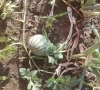
You worked hard to grow your watermelon seedlings, and right after transplanting they droop and look listless, with curled leaves. Don't worry - this is actually a very common "stress response" after transplanting, mostly caused by slight damage to the roots or the sudden change of environment. Today I'll share all the proven remedies and follow-up care methods with everyone.
-
How to grow Phalaenopsis orchids and what to pay attention to? How do you repot a Phalaenopsis orchid?
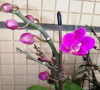
The summer vacation is here, and I believe many friends have started paying attention to the plants on their balconies, and it's inevitable that some wilted plants will be discovered. And some plants are rather expensive when purchased, for example, if a "Phalaenopsis" flower just wilts and gets thrown away, it's inevitably a pity. In fact, as long as you can see in the transparent pot that the roots and seedlings are still healthy
-

Can stem rot in Phalaenopsis orchids heal on its own, and how should it be treated?
A perfectly healthy Phalaenopsis orchid suddenly starts to turn black and soft at the stem, feeling sticky to the touch - this is most likely stem rot. Many people wonder: can this disease heal on its own? In fact, stem rot has basically no chance of self-healing. If left untreated, the entire plant will rot away within a few days. Why is it said that it cannot recover
-

Can a Phalaenopsis bloom without aerial roots? Here's how to make it grow roots again
Speaking of Phalaenopsis, if this flower loses its aerial roots, can it still bloom? Actually, it depends on the situation. The aerial roots of a Phalaenopsis mainly absorb moisture and nutrients from the air, and also help anchor the plant. If there aren't many aerial roots but there are still healthy water roots below and the leaves are vigorous, then as long as it's cared for properly, it will still bloom when it's time to bloom.
-

How to tell the age of a Phalaenopsis orchid seedling, and after how many years does it stop growing?
Growers of Phalaenopsis orchids have probably all wondered: how old is this plant, exactly? How do you tell? And after how many years does it stop growing? Actually, it's not hard — just look at its "figure" and you'll have a good idea. The age of a Phalaenopsis seedling is mainly judged by its pseudobulb, the plump little "belly" beneath the leaves. A one-year seedling is the thinnest and smallest, usually
-
How to grow Phalaenopsis orchids so they produce more flower buds
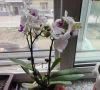
Want your Phalaenopsis orchid to have more flower buds? The key lies in the three core factors of light, temperature difference and nutrients! Below is a step-by-step guide to the specific steps, so even beginners can easily get it right ~ Temperature difference: keep the nighttime temperature at 15-20°C and the daytime temperature at 25-30°C, by opening windows for ventilation (avoid direct cold drafts). Note! The temperature difference must not exceed
条件筛选