-
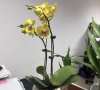
Reasons for Phalaenopsis root rot in summer and how to save it
In summer, with high temperatures and high humidity, Phalaenopsis orchids can easily develop root rot if you are not careful - the roots turn black and mushy, and the leaves turn yellow and soft, which is really distressing to see. In fact, as long as you act promptly, a Phalaenopsis with root rot can absolutely be saved! Today I will share the emergency rescue steps and follow-up care tips with everyone, so even beginners can handle it easily ~ 3 steps to rescue root rot
-
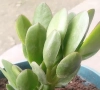
How to care for a jade plant in summer? Avoid the big mistakes to keep it thriving
The jade plant has thick, emerald-green leaves, and as its branches grow they take on an increasingly old-tree, bonsai-like look, bringing a wonderful sense of life to any home. But once the high temperatures of summer arrive, it easily runs into problems - root rot, scorched leaves, and a limp, listless appearance. In fact, all of these come down to poor attention to care details! Today I'll explain clearly the "3 pitfalls" you must avoid when caring for a jade plant during the hot season.
-

Will Phalaenopsis air roots die if they are exposed outside? How should they be cared for?
The easiest mistake for beginners growing Phalaenopsis to make is to see those aerial roots popping out of the pot and always think, "The roots are all exposed, it definitely won't live long," and then either stuff them back into the pot or simply cut them off, only to end up killing a perfectly good plant. In fact, Phalaenopsis aerial roots not only won't die when exposed outside, but it is actually a normal phenomenon,
-

Reasons Why Phalaenopsis Orchid Flower Spikes Grow Slowly and How to Fix It
When growing Phalaenopsis orchids, nothing is more frustrating than a flower spike that finally emerges but then refuses to grow. Some are as thin as toothpicks, and some stop growing after just a few centimeters. In fact, a slow-growing flower spike never happens for no reason; it is usually because some detail of care is not quite right. Once you identify the cause and adjust accordingly, the flower spike will soon start "shooting up."
-

When do Phalaenopsis leaves tend to become crooked, and how should you fix them after they do?
The leaves of a Phalaenopsis that were neatly arranged at first quietly lean to one side before you even notice, and some even curve like a crescent moon, which looks really awkward. Actually, this crookedness doesn't happen suddenly; it mostly occurs during two periods. If you spot the timing and prevent it in advance, or remedy it promptly once you notice, you can get the leaves standing upright again. Pha
-
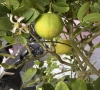
Just bought a potted lemon tree? Here's how to plant it and water it
The lemon plant you just received is bright green and super cute, but as you care for it, the leaves turn yellow and the fruit drops? In fact, as long as you do these few things well, even beginners can grow a lemon tree with lush branches and leaves that bears fruit every year. Light and daily care: place it on a south-facing balcony, terrace, or open courtyard, and make sure it gets at least 6 hours of direct sunlight a day. The more light it gets, the thicker and stronger the branches and leaves will be.
-
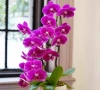
How do you get rid of small flying insects and bugs in a Phalaenopsis pot?
Your carefully tended Phalaenopsis has just started to grow a flower spike, when suddenly a bunch of small flying insects appears on the surface of the potting mix, and they fly up in a cloud when you water, and when you lean in close there is a bit of a sour, foul smell? Today I will share my pest-control guide with everyone. Step one: physical methods. Yellow sticky traps: buy a few sticky traps made for flowers and plants, just stick them into the edge of the potting mix, and leave them alone; in one day they will
-
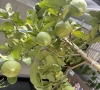
Reasons for Yellow Leaves and Leaf Drop in Lemon Trees and How to Fix Them
Don't panic if your lemon tree has yellow leaves and is dropping leaves! Find the cause and treat it accordingly, and it will soon recover its vitality. Here are some super practical solutions that even beginners can handle! 1. Watering problems. 1. Waterlogged roots and root rot. Symptoms: lower leaves turn yellow first and fall off at the slightest touch, leaf tips turn brown, and the potting soil is sticky and wet. First aid: stop watering, take the plant out of the pot and cut off the rotten roots (black-brown, mushy
-

Why Phalaenopsis (moth orchid) leaves grow crooked and uneven, and how to fix it
If you grow Phalaenopsis orchids, you may have noticed that your orchid's leaves grow every which way, some with bent necks, some higher on one side and lower on the other, looking terribly uneven. Actually, this isn't a big problem, but understanding the cause is the only way to get it growing neat and looking pleasing.
-

Can Messy Phalaenopsis Leaves Be Fixed with String, and How Long Should They Stay Tied?
Speaking of Phalaenopsis, when it blooms it looks ethereal and graceful, but once the leaves get messy, the whole plant looks listless. This is especially true for older plants that have been grown for a long time - the leaves lean every which way, and some can even droop outside the pot. So can you use string to tie the leaves in place? Actually, fixing them with string is completely fine, but you have to go about it
条件筛选