-
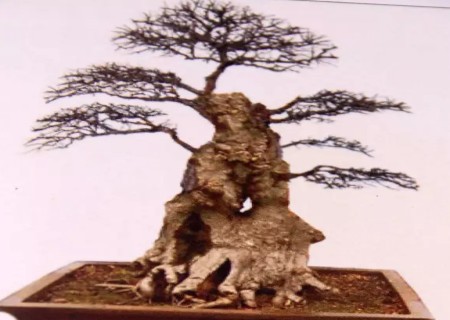
Illustrated Guide to Bonsai Branch Development Methods: A Step-by-Step Tutorial to Grow Beautiful Shapes
Everyone knows that the beauty of a bonsai's shape must be achieved through pruning, the most commonly used technique, but before pruning, we must first grow the plant's branches strong and vigorous. So how do you develop and grow branches on a bonsai? Below, the editor shares an article with an illustrated guide to bonsai branch development methods.
-

White-feathered broiler farming technology and prospects: Building a win-win industry development chain
"It's not just about me doing well; everyone has to do well together for the white-feathered broiler industry to develop sustainably!" Eleven years ago, Huang Shengyu returned to his hometown of Lucao, Chiayi to take over the family business, but faced an industry bottleneck, so he decided to gradually innovate his thinking and put it into practice at his own livestock farm.
-
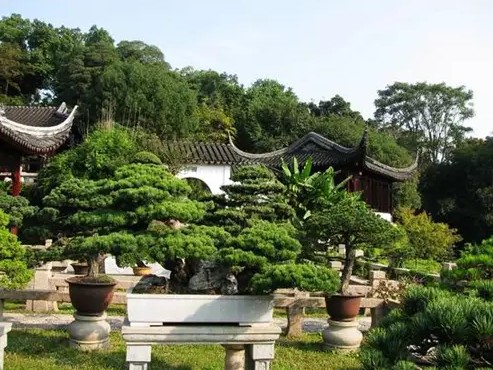
Innovative development of Su-style bonsai craftsmanship brooks no delay
At present, the inheritance methods of Su-style bonsai craftsmanship are relatively limited, and the number of inheritors is also very small. For example, one provincial-level and two municipal-level representative inheritors each have only one apprentice, and even this is unstable. Therefore, in addition to continuing to give play to the role of professional bonsai workers in scientific research and innovation
-
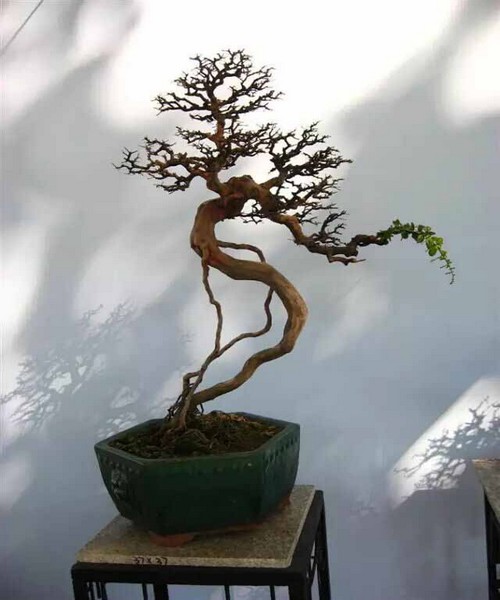
Fangcun Huadi in the Lingnan Flower Country: The Origin and Development of Bonsai Art
Fangcun Huadi is the birthplace of Lingnan bonsai. Huadi, originally named Huadai, is located by the Bai'etan stretch of the Pearl River in Guangzhou, and has a history of flower cultivation of nearly two thousand years. In the late Qing Dynasty, Kang Youwei once built a villa, the Kang Residence, within Kang Garden in Huadi, and wrote a large number of poems and essays there.
-
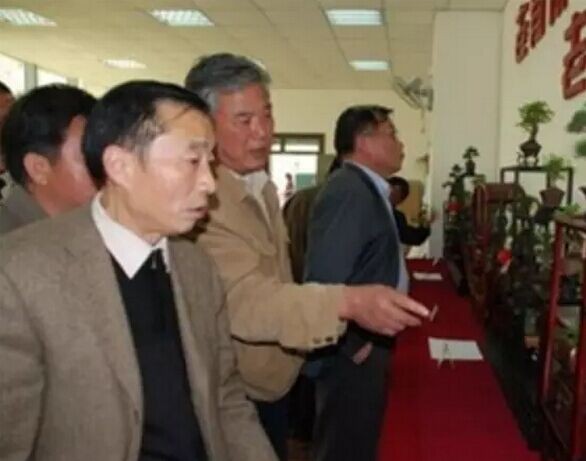
The Development Prospects and Characteristics of Miniature Bonsai in the 21st Century
Bonsai beautifies and improves the ecological environment and enhances residents' artistic cultivation and cultural depth; while miniature bonsai possesses the above characteristics and can also bring bonsai for foliage, flowers, roots, and fruit into millions of households - "the scenery once found only in the halls of the nobility now enters the homes of ordinary people" (inheriting bonsai culture
-
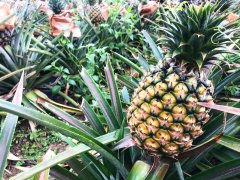
Pineapples taste sweet but are difficult to cultivate. What does their future development hold?
The Golden Diamond pineapple is delicate and sweet, no question about it, but growing high-quality pineapples is no simple matter. A-Yuan of Longquan Village, Neipu Township, Pingtung County, persisted in growing pineapples for ten years despite his family's doubts and even opposition, and out of it grew pride and confidence. He and his wife have also promoted a free pineapple farm "treasure hunt" in recent years,
-
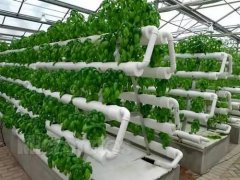
Latest News on Smart Agriculture Trends: What the Application Prospects Tell Us About Who Will Farm the Land
Agricultural development is progressing faster and faster, and both the modernization and technological advancement of agriculture have made great strides. The question of "who will farm the land" has recently become a hot topic in agricultural development. Now, as the pace of rural revitalization accelerates, technologies such as the internet and cloud computing are constantly
-
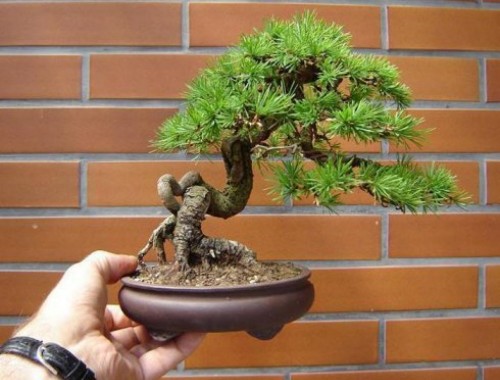
Analysis of the Development Prospects of the Miniature Bonsai Planting Project
As China's urbanized living environment changes, the preferred specifications and sizes of bonsai will certainly change accordingly. In the future, bonsai will move toward miniaturization and micro-miniaturization to adapt to the requirements of apartment living conditions, and miniature bonsai will certainly become the mainstream of bonsai development.
-
Taiwan's fishery and aquaculture development welcomes new prospects, but the technical threshold for fish farming remains to be overcome
Taiwan entered an aging society in ROC year 105, and with the compounding effect of a declining birth rate, the problem of insufficient agricultural labor has become imminent. Therefore, in ROC year 106 the Council of Agriculture actively promoted Smart Agriculture 4.0, hoping that through innovations in wireless communication and sensors, farmers could be helped
-
Fishery development: cage-net aquaculture feeds without waste, and underwater monitoring systems can prevent fish escapes
The Fisheries Research Institute's yellowfin tuna farming project has temporarily come to a close. Although there were results, operators are still watching and waiting. The reality is harsh: the problem faced is the market, because the price of yellowfin tuna is not high enough. Before consumer impressions of yellowfin tuna can be turned around, operators' willingness to farm it is low.
条件筛选