-

Master the working principle and key usage points of precision ridgers for higher-quality ridging
A ridger is a commonly used tillage machine. This article introduces the working principle, field adjustment and maintenance points of precision ridgers, helping growers improve ridging quality and work efficiency. When purchasing, pay attention to local agricultural machinery subsidy policies.
-
A Complete Guide to Reversible Plow Working Principles, Buying, Use and Maintenance
A reversible plow is a commonly used moldboard tillage machine. This article explains its working principle, operational advantages, key points for selection, and use and maintenance tips, helping farm machinery operators choose the right plow, till the soil well, and extend the service life of the implement.
-
Potato Planter Buying Guide: How It Works and Key Points for Use
A potato planter can complete furrowing, seed dropping and soil covering in one pass, greatly saving labor and improving efficiency. This article introduces how it works, key points for buying one and precautions for use, and notes that agricultural machinery subsidies are subject to what local competent authorities publish.
-
Key points for selecting and using frame-type powered sprayers to make plant protection work more efficient
The frame-type powered sprayer is a common plant protection machine for field management. This article introduces its working principle, applicable scenarios, key points for selection, and precautions for use and maintenance, helping growers choose and use the machine correctly, improve spraying efficiency and pest and disease control results.
-
Working Principle and Key Points for Selecting and Using a Full-Feed Wheeled Grain Combine Harvester
The full-feed wheeled grain combine harvester is the main agricultural machine for wheat and rice harvesting. This article introduces its working principle, main structure and key points for selection and use, helping farmers operate and maintain it correctly, improve harvesting efficiency and reduce losses from breakdowns.
-
Grain Seed Cleaning Machine Buying Guide: How the Compound Grain Cleaner Works and Key Points for Use
The grain seed cleaning machine is important machinery for post-harvest handling. This article introduces the working principle, buying points and use precautions of the compound grain cleaner, helping farmers improve seed purity and reduce impurities. Before buying, remember to check the local agricultural machinery subsidy policy.
-

4 long-blooming "workhorse" plants for beginner gardeners that flower for half the year and can fill a pot
What do beginner gardeners fear most? They fear that after all the trouble of bringing a plant home, once the flowers fade there is nothing left but leaves, and all their money and effort go down the drain! Today we have picked out 4 "flowering fighters" especially for you: they bloom from spring all the way to autumn without any problem, and they are easy to care for, so even total beginners can feel a real sense of achievement. Take a look and see if there is one you like - Hydrangea:
-

What should you use as a drainage layer at the bottom of a Phalaenopsis pot? These options are proven to work well
Have you ever been at a loss with a newly bought Phalaenopsis? Looking at those delicate roots, if you just stuff some soil into the bottom of the pot and call it done, nine times out of ten you will run into a root-rot nightmare. Some people ask: "What exactly should I put at the bottom of a Phalaenopsis pot? If I just fill it with sphagnum moss or bark, I always feel the roots will suffocate; if I don't put anything down, I worry the water will drain too fast and the potting medium will keep falling out."
-
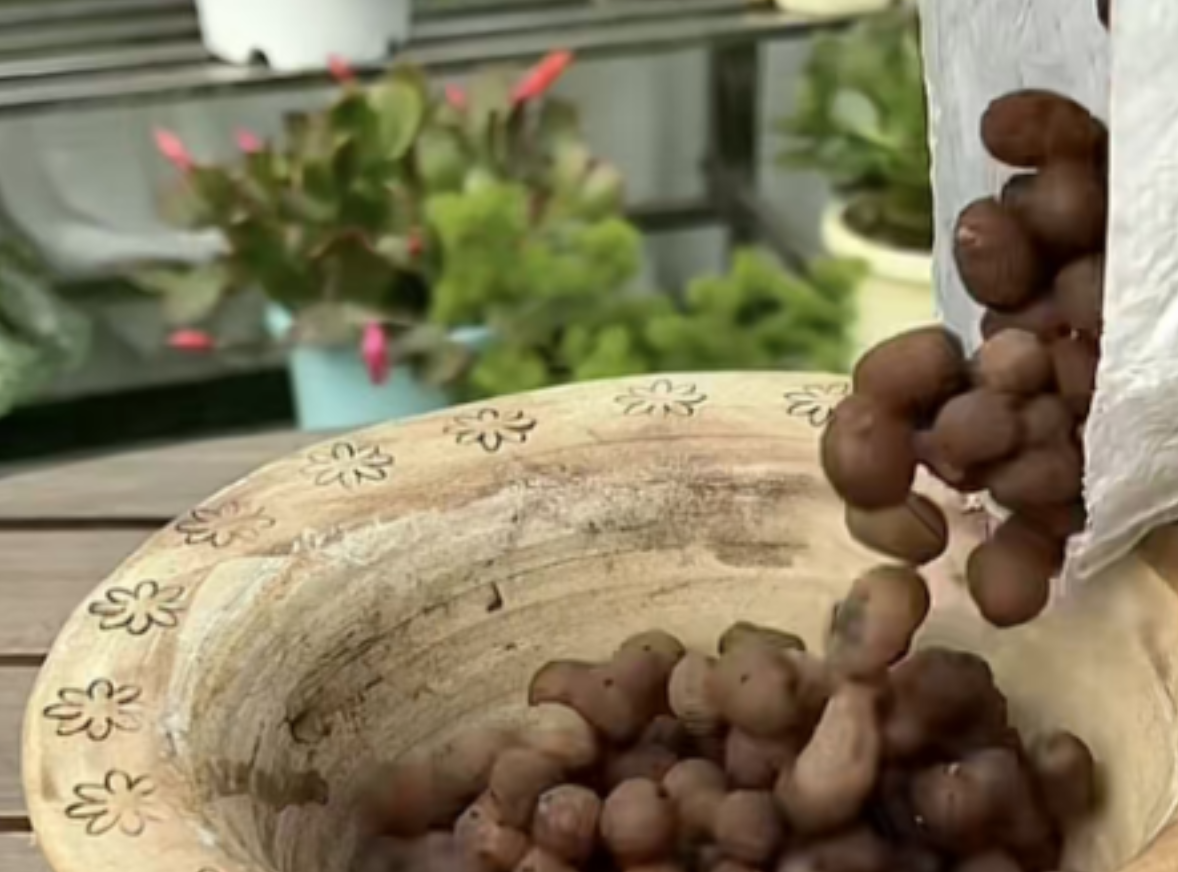
What kind of planting material should be placed at the bottom of a Phalaenopsis orchid pot? These few have been tested and work great!
Have you ever felt at a loss when faced with a newly purchased Phalaenopsis orchid? Looking at its delicate roots, if you just casually stuff some soil at the
-

Don't panic if your Phalaenopsis orchid gets sun-scorched and wilts! This rescue method works better than randomly watering. How do you save a Phalaenopsis orchid that has wilted from sun exposure? First do 2 emergency steps, then do 3 things.
Everyone knows Phalaenopsis orchids like indirect light, but if you accidentally let them get too much sun, the leaves wilt and curl, and the edges even turn scorched black. It really hurts to see! Actually, after sunburn, don't panic. With timely emergency care, they can still be saved. The key is to focus on "shade, rehydration, and controlling the environment." Just like a person with sunburn needs to get out of the sun and apply moisturizer, Phalaenopsis orchids also need to be treated accordingly.
条件筛选