What does Moutai Town Kunsha liquor mean? A rundown of the authentic Kunsha liquors on the market
Search for baijiu on Taobao, or look at the liquor-making stories that pop up on various websites, and you will find this name Moutai Kunsha liquor - the name is very traditional, more than 100 yuan for over 10 bottles, and it easily makes people mistake it for a local country liquor. Kunsha liquor is Moutai hun (
Search for baijiu on Taobao, or look at the liquor-making stories that pop up on various websites, and you will find this name Moutai Kunsha liquor - the name is very traditional, more than 100 yuan for over 10 bottles, and it easily makes people mistake it for a local country liquor.
Kunsha liquor is Moutai hun (kún) sha liquor.
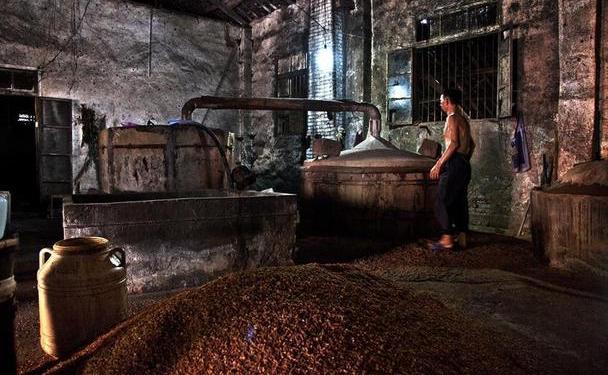
The so-called Moutai hun (kún) sha liquor refers to following the traditional Moutai liquor process, using whole grains of red tassel sorghum, mixing them with jiuqu at a 1:1 ratio around the Double Ninth Festival each year (commonly known as xia sha), then nine steamings and eight dryings and seven draw-offs: nine rounds of steaming, with the first distilled original liquor not added back into the raw materials, then air-drying; during brewing, there are two feedings of raw materials, eight rounds of high-temperature pile fermentation (one week each), eight rounds of pit loading (one month each), and seven rounds of distillation to draw the liquor.
The drawn original liquor is cellared for three years, after three years it is blended and flavored, then cellared for another year, and finally inspected and released from the factory - this is Kunsha liquor.
Hunsha liquor is also called “hunsha liquor” or “hunzi liquor” in Moutai Town. It is a sauce-aroma baijiu made by the traditional process, that is, what is often called authentic sauce-aroma baijiu. It is produced strictly according to the traditional Guizhou Moutai liquor process, with a production cycle as long as one year, a low liquor yield, and the best quality; its soul is the “hui sha” process, that is, the raw materials undergo nine steamings, eight fermentations, and seven draw-offs of liquor (this is what is often called the nine-eight-seven production process); and it can only leave the factory after more than three years of cellaring. Its sorghum must not be crushed, and the broken-grain rate must be less than or equal to 20%. For traditional-process sauce-aroma baijiu, the grain cost alone is already several tens of yuan, so the selling price is relatively high.”
Different classifications of sorghum liquor
Depending on the sorghum put in during brewing, Moutai sorghum liquor can be divided into three types: when the sorghum put in is relatively whole, the liquor produced is “hun (kún, the local dialect pronunciation) sha liquor”; the liquor produced using crushed sorghum is called “broken-grain sha liquor”; and the liquor produced by adding some new sorghum and new qu medicine to the distillers' grains discarded after the final 9th steaming is “turned sha liquor”.
In sauce-aroma baijiu production, the sorghum raw material is called sha. The liquor brewed from crushed sorghum is called “broken-grain sha liquor”; “broken-grain sha liquor” has a short production cycle, a relatively high liquor yield, and ordinary quality; it does not require the strict “hui sha” process, and generally after two or three steamings the liquor in the grain is fully drawn off. To give the liquor a sauce aroma, the distillers' grains of “lun sha liquor” are generally added during fermentation. Some distilleries, in order to sell their products, often blend in part of “lun sha liquor” to pass it off as sauce-aroma baijiu.
The liquor brewed by adding some new sorghum and new qu medicine to the distillers' grains discarded after the final 9th steaming of kunsha liquor is called “turned sha liquor”; “turned sha liquor” has a short production cycle, a high liquor yield, and poor quality.